


The Core Conflict: Correction vs. Enhancement
The fundamental disagreement among makeup artists boils down to two opposing goals. The first is the "correction" approach, which treats the hood as a problem to be fixed. This school of thought uses traditional contouring principles—darks recede, lights
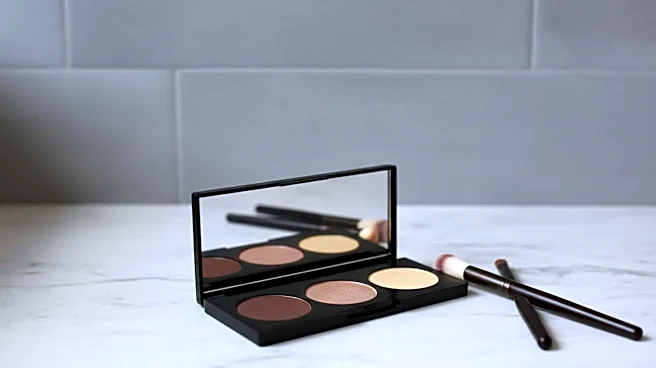
bring forward—to create the illusion of a different eye shape. Celebrity makeup artist Meredith Boyd, for example, suggests creating a new, higher crease with matte eyeshadow while looking straight ahead to give the illusion of more lid space and a 'lifted' look. This method is about sculpting the eye to more closely resemble a deep-set or almond shape, which has long been considered a classic ideal in Western beauty standards.
The Enhancement Philosophy: Work With What You’ve Got
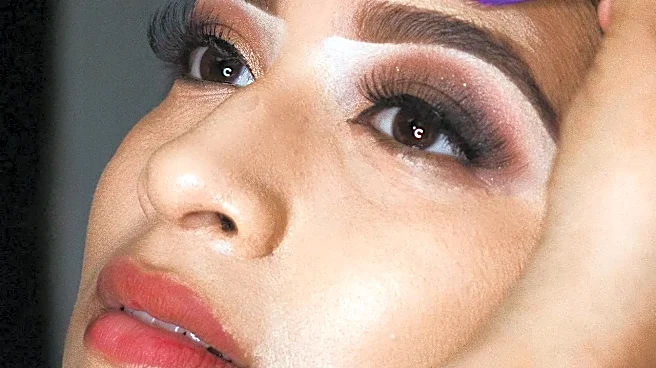
The second, more modern camp is all about enhancement. These artists argue that makeup shouldn't be about "fixing" features but celebrating them. Instead of fighting the hood, they work with it. This philosophy prioritizes making the most of the visible mobile lid by packing on color or shimmer there. It emphasizes tightlining to define the lash line without taking up precious lid space and focuses on the lower lash line to balance the eye. Proponents of this method see hooded eyes, common on celebrities like Jennifer Lawrence and Taylor Swift, not as a flaw but simply a different canvas with its own unique potential. The goal is to make the eyes pop, not to make them look like someone else's.
The Great Eyeliner Debate
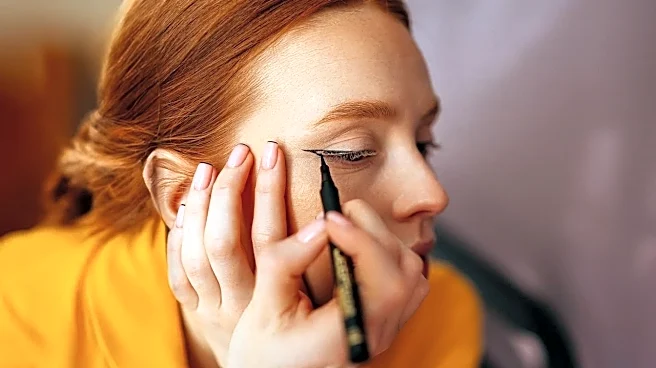
Nowhere is the disagreement more obvious than with eyeliner. A classic cat-eye wing often disappears or looks broken when the eye is open, as the hooded skin folds over the line. For this reason, some artists advise skipping winged liner altogether, favoring a soft, smudgy line instead. Others, however, have engineered clever workarounds. The "bat wing" or "floating liner" technique involves drawing a shape that looks disconnected when your eye is closed but forms a perfect, straight wing when your eye is open and relaxed. This requires a different application method, often starting the line from the lower lash line's angle and connecting it to the top, ensuring the wing is visible when it matters most—when you're looking straight ahead.
Shimmer and Shine: The Nuanced Rule
The old-school rule for hooded eyes was simple: no shimmer on the hood. The logic was that shimmer highlights texture and brings areas forward, which could make the hooded part of the lid look puffier. While some artists stick to this, most now agree the rule is too simplistic. The modern consensus is that placement is everything. Applying a pop of shimmer on the center of the mobile lid—the part of your eyelid you can see when your eyes are open—draws light and attention there, making the eyes look bigger and brighter. Conversely, using a matte shade for any contouring work on or above the crease helps that area recede. It’s not about banning shimmer, but about using it strategically to play with light and shadow.