




Channeling a Vibe: The Tribute to A Tribe Called Quest
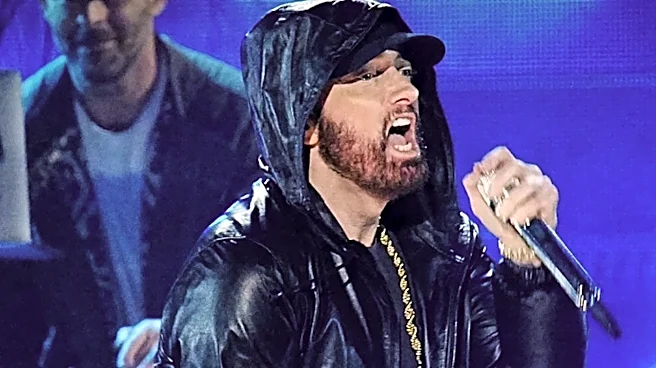
When A Tribe Called Quest was honored in 2007, the stage was filled by a new generation of artists—including Common, Pharrell Williams, and Lupe Fiasco—who clearly revered them. The performance wasn't a stiff, note-for-note recital. It was a joyful, loose,
and collaborative cipher that mirrored the exact energy that made Tribe a beloved pillar of the Native Tongues movement. By performing classics like "Check the Rhime," the group on stage wasn’t just singing lyrics; they were embodying the camaraderie, the jazzy nonchalance, and the effortless cool that is ATCQ’s greatest legacy. It demonstrated that Tribe's influence wasn't just in their beats and rhymes, but in their entire philosophy of making music with your friends.
Embodying Innovation: The Tribute to Missy Elliott
How do you pay tribute to an artist whose entire career is defined by being lightyears ahead of everyone else? The 2016 "All Hail the Queens" edition of Hip Hop Honors answered by staging a full-throttle celebration of Missy Elliott'sAfrofuturist vision. Artists like Eve, Remy Ma, Nelly Furtado, and Trina didn’t just perform a medley of hits like "Work It" and "Get Ur Freak On"; they recreated the visual and sonic universe Missy built. The constant costume changes, kinetic choreography, and genre-bending sounds showed the audience her influence in motion. It was a lesson in how Missy’s impact wasn't just on music but on the very aesthetics of music videos, fashion, and performance. The tribute successfully argued that to be influenced by Missy is to be fearless and endlessly creative.
Recreating the Urgency: The Tribute to Public Enemy
Public Enemy’s music is not background noise; it is a siren. Their influence is rooted in sonic disruption and political urgency. For the first-ever Hip Hop Honors in 2004, the tribute to the group understood this perfectly. The performance featured not only hip-hop heavyweights but also the rock band Anthrax, who had famously collaborated with PE on "Bring the Noise." This decision was a lecture-free explanation of Public Enemy's genre-smashing power and their role in breaking down musical barriers. By recreating the beautiful, organized chaos of a PE track live on stage, the tribute artists channeled the group's confrontational energy and demonstrated how they made hip-hop a vehicle for revolutionary thought.
Capturing a Complex Spirit: The Tribute to Lil' Kim
Lil' Kim’s influence is multifaceted: she is a lyrical giant, a fashion icon, and a pioneer of unfiltered female sexuality in hip-hop. The 2016 tribute to the Queen Bee captured all these elements. Teyana Taylor, in particular, delivered a star-making performance, channeling Kim's unmistakable blend of raw aggression and confident sensuality. By not just rapping the lyrics to songs like "No Time" but also adopting Kim’s signature mannerisms and even wearing a near-identical outfit from the Hard Core era, Taylor showed how Kim’s influence is as much about attitude as it is about bars. The performance, which also featured artists like Lil Mama and Dej Loaf, was a living museum of Kim's impact, proving she gave a generation of women a new language of power.