

The Common Fit Trap for Tall Frames
When you're tall, the default advice is to buy from specialty tall brands that offer longer sleeves and extended body lengths. While crucial, this is only half the battle. Many tall women find a blazer that technically fits—the shoulders are right, the sleeves hit
the wrist bone—but the overall effect is still… off. It can look boxy, shapeless, or create an awkward silhouette, especially when layered over another top. The mistake is focusing solely on the blazer's dimensions in isolation. The real art, and the detail most people miss, lies in how the blazer's hem interacts with the layers underneath and the pants or skirt below. It's a game of proportions, and one that tall frames can uniquely master.
The Hidden Detail: Managing the Breakpoint
The secret is all about controlling the “breakpoint”—the line created where your under-layer ends relative to your blazer’s hem. When these two hemlines are too close, it can visually chop your torso in half, creating a blocky effect. A top that ends just an inch or two above or below the blazer's hem often looks unintentional and messy. To create a streamlined, elegant silhouette, you need to create a clear separation. The layer underneath your blazer should either be significantly shorter or noticeably longer. This creates deliberate, clean lines that work with your height instead of fighting against it. Think of it as creating either a defined waist or an elongated tunic effect, with no ambiguous middle ground.
Putting It Into Practice: High or Low
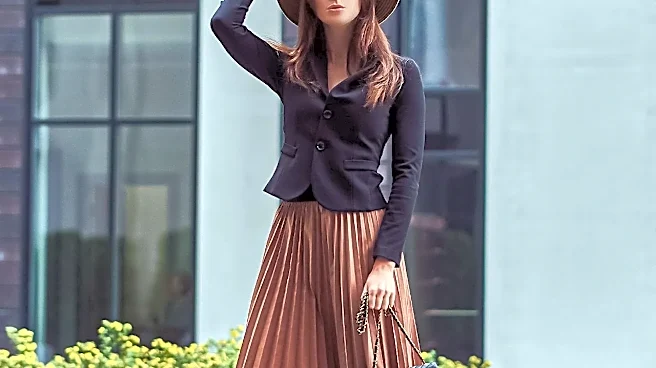
To master the breakpoint, you have two primary options. The first is to go high: tuck your top in. Whether it's a silk camisole, a fitted knit, or a classic button-down, tucking it into high-waisted trousers or a skirt creates a defined waist. This allows the blazer to act as a sharp outer frame, elongating your legs and celebrating your height. The second option is to go low: opt for a tunic-length top or dress that extends well below the blazer's hem. A longline blazer paired over a fitted midi dress, for example, creates a sophisticated, cohesive column of color and texture. The key is commitment—either show off your waistline or create a purposefully layered, longer line. This avoids the proportional conflict that makes an otherwise good blazer look frumpy.
Final Touches: Fabric, Cut, and Silhouette
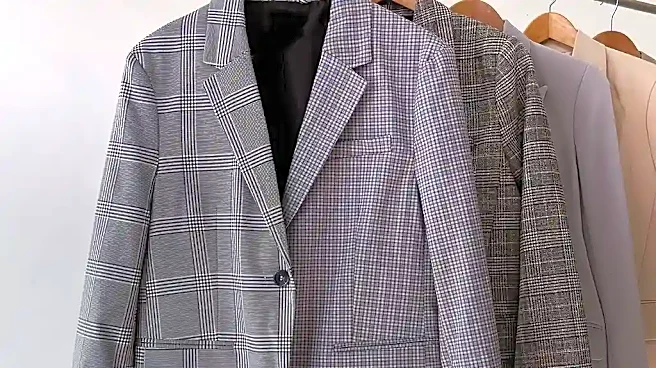
Once you’ve mastered the breakpoint, other details will amplify the effect. Tall frames can handle more dramatic cuts like longline or double-breasted blazers that might overwhelm shorter individuals. However, balancing this volume is key. If you opt for an oversized or longline blazer, keep the rest of your outfit slim and streamlined, like pairing it with skinny jeans or a pencil skirt. Pay attention to fabric. Bulky knits under a blazer can add unwanted thickness, so stick to thinner layers like cashmere, merino wool, or silk blends to keep the silhouette clean. Finally, don’t be afraid to use a belt. Cinching a longer blazer at the waist can create an hourglass shape and give your outfit structure and intention, proving that the perfect fit is less about a single measurement and more about the total picture.