
The End of the It-Item Era
For decades, high fashion operated on a cyclical hype model. Designers created must-have items, runways dictated precise trends, and style-watchers dutifully followed suit. But in recent years, a quiet rebellion has been brewing on red carpets and in the
street style of those who set the sartorial agenda. The focus has moved away from mass-produced seasonal objects and towards something far more intangible: authenticity. Premiere style, from A-list celebrities to influential designers, is now championing the power of a personal narrative. Rather than asking, “Is this new?” the more relevant question has become, “What does this mean to you?” This turn inward values pieces that tell a story, moving beyond fleeting trends to celebrate genuine individuality and a wardrobe that reflects a life lived.
Accessories as Wearable Memories
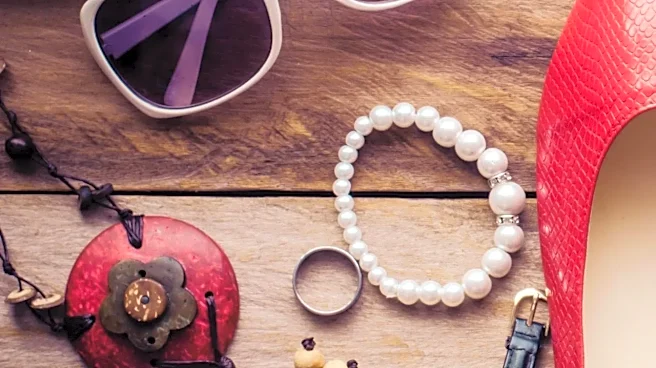
While a vintage gown makes a grand statement, it's accessories that have become the primary vehicle for this new philosophy. A vintage watch, a pair of heirloom cufflinks, a grandmother’s locket, or a well-worn leather satchel are potent, portable carriers of history. They are less about creating a period-costume look and more about integrating a piece of the past into a modern identity. Unlike a full garment, an accessory can be worn daily, becoming part of your personal uniform and story. Each scratch on a silver bracelet or patina on a brass buckle serves as a mark of character, not a flaw. These items are conversation starters, tangible links to a past—whether it's your own family's or simply an era you admire. They have seen things, and by wearing them, you become the next chapter in their story.
A Story No One Else Can Buy
In a world of algorithm-driven trends and fast-fashion sameness, the ultimate luxury is uniqueness. Vintage accessories offer an antidote to the mass-produced, ensuring that your style is yours alone. When you wear a 1950s cat-eye sunglass frame or a 1970s enamel brooch, you can be almost certain you won't see someone else with the exact same piece. This exclusivity is not about a high price tag, but about the thrill of the hunt and the reward of the find. Furthermore, vintage pieces often showcase a level of craftsmanship and quality of materials that is hard to find in contemporary mass-market goods, making them a wise investment that can retain or even appreciate in value. The quality of older items means they were built to last, a stark contrast to the planned obsolescence of much of today's fashion.
More Than a Nod to Sustainability
The environmental benefit of choosing vintage is undeniable. Opting for a pre-loved item requires no new mining for metals or gemstones, significantly reduces your carbon footprint, and keeps a beautiful object out of a landfill. But the current embrace of vintage accessories runs deeper than just eco-consciousness. Sustainability is a happy byproduct of a more profound psychological shift. The move toward personal history is a search for connection and meaning in what we own, a rejection of the disposable culture that has defined consumerism for a generation. Wearing a piece with history—your own or someone else's—grounds you. It provides a sense of continuity and stability in a fast-paced world, reminding us that some things are worth keeping and caring for.