


The Primal Power of 'Can't Have'
At its core, this phenomenon is driven by the principle of scarcity, one of the oldest tricks in the psychology playbook. When a product or experience is limited, our brain instinctively assigns it a higher value. This isn't just a marketing gimmick;
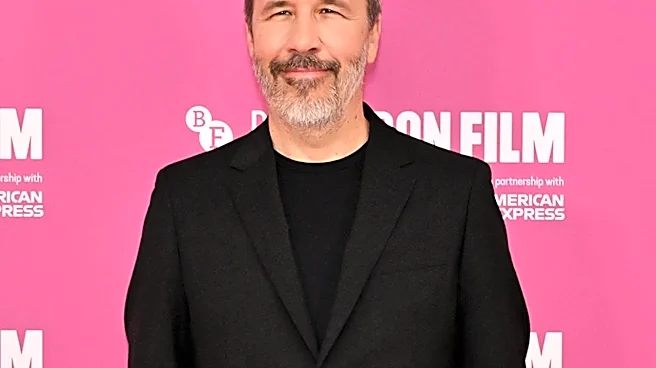
it's a deep-seated human trait. Psychologists call it 'reactance theory': when our freedom to choose something is threatened (by, say, a sold-out notice), our desire to have it intensifies. The 70th BFI London Film Festival, which runs from October 7 to October 18, 2026, becomes a perfect real-world laboratory for this effect. Reports from just after tickets went on sale showed the high-profile opening and closing night galas—'Elsinore' starring Andrew Scott and 'The Debut' directed by Jesse Eisenberg—sold out almost immediately, creating instant buzz. That 'sold out' status acts as a powerful, if frustrating, endorsement.
It's Not Just Scarce, It's Popular
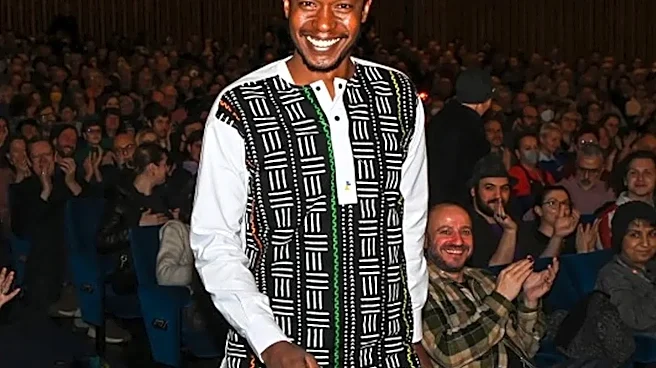
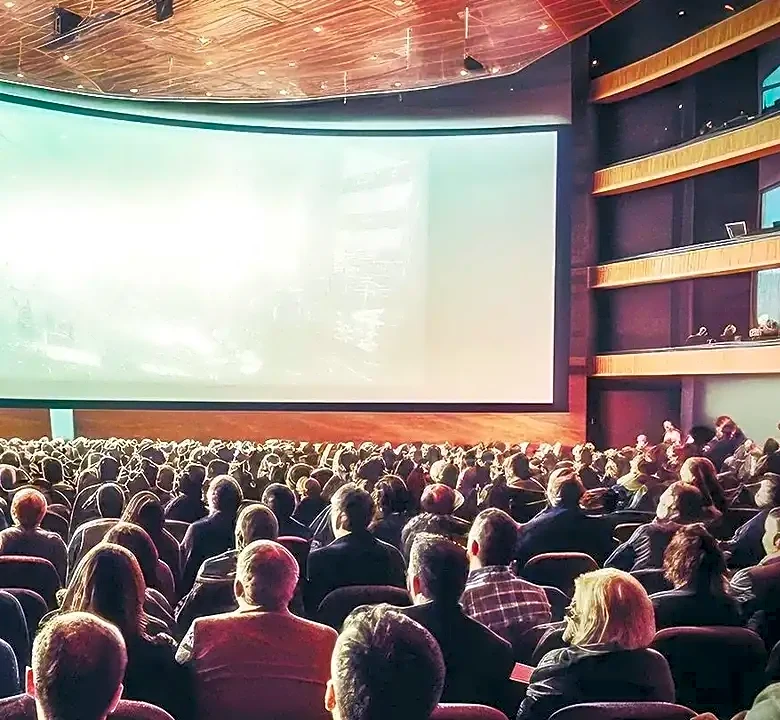
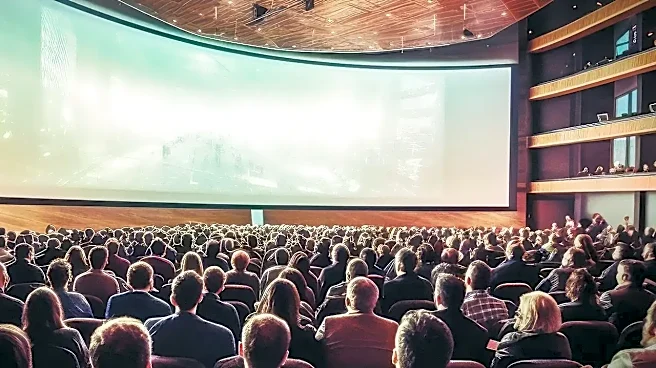
But scarcity doesn't work in a vacuum. It’s supercharged by another powerful psychological force: social proof. When we see that hundreds of other people have already bought tickets, we assume they know something we don't. That packed house signals that the event is worthwhile, exciting, and validated by the crowd. This creates a potent fear of missing out, or FOMO. You're not just missing a film; you're missing a shared cultural moment. Event marketers know this well, using tools like live registration counters and highlighting past attendance figures to show that an event is the place to be. A sold-out screening is the ultimate social proof—a clear signal that a large group has endorsed this specific film, making you want to be part of that in-the-know crowd.
The Currency of Cultural Capital
Film festivals, particularly prestigious ones like the LFF, are about more than just watching movies. They are about access and discovery. Being able to see a future award-winner or a buzzy indie film before it gets a wide release is a form of cultural capital. It gives you a story to tell and a place in the conversation. When a screening is sold out, its perceived cultural value skyrockets. Owning that rare ticket transforms you from a mere spectator into a participant in an exclusive event. It's why brands from Apple to Supreme have built empires on limited-edition drops; the exclusivity signals status. In the context of a film festival, securing a ticket to a sold-out gala isn't just about entertainment—it's about gaining access, demonstrating taste, and accumulating a bit of social prestige.
The Thrill of the Chase
Finally, the very structure of festival ticketing can amplify this effect. The BFI itself notes that more tickets often become available for screenings that were previously sold out, and it publicizes standby queues for last-minute hopefuls. This creates a dynamic of hope and perseverance. The chase becomes part of the experience. The effort involved—constantly refreshing the ticket page, lining up 30 minutes before the show—makes the reward feel even greater if you succeed. This heightened effort makes us value the outcome more, a psychological quirk known as effort justification. The difficulty of obtaining the ticket becomes woven into the value of the experience itself, making that hard-won seat feel less like a simple purchase and more like a personal victory.