





Setting the Thematic Tone
The first film of a festival is its opening argument. It’s the lens through which the curators want audiences to view the entire program. The choice often signals the festival's thematic priorities for that year, whether it's an exploration of community,
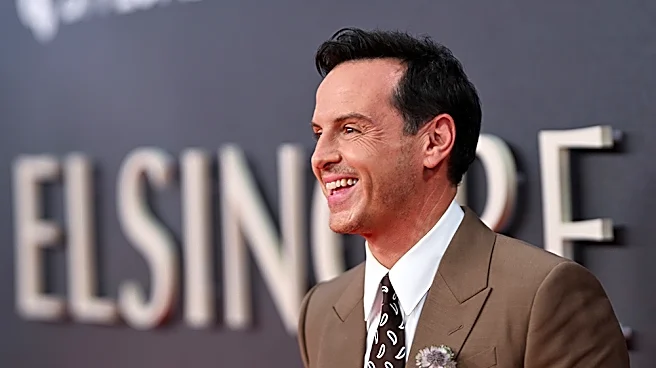
a confrontation with history, or a celebration of pure cinematic joy. For its 70th edition in 2026, the LFF selected 'Elsinore', a film about actor Ian Charleson’s battle with AIDS while preparing to play Hamlet in the 1980s. In selecting this story, Festival Director Kristy Matheson highlighted its focus on 'community, resistance, and the triumph of art', immediately establishing a narrative of resilience and the profound connection between life and performance that would echo through the festival. This choice tells filmmakers, critics, and audiences what kinds of conversations the festival is hoping to inspire.
A Platform for British Talent
While it began as a 'festival of festivals' showcasing international hits, the LFF has evolved into a vital platform for homegrown stories and talent. An opening night slot is often a powerful endorsement of a British film, director, or cast. 'Elsinore' is a prime example of this. It's a quintessentially London story, centered on the city's legendary theater scene and starring a roster of beloved British and Irish actors, including Andrew Scott and Olivia Colman. Director Simon Stone called it a 'quintessentially London film', noting that Charleson’s greatest triumphs occurred on its stages. By launching with such a UK-centric story, the festival not only champions its national film industry but also reinforces its own identity as a distinctly British cultural event with a global outlook.
The Awards Season Launchpad
In the hyper-competitive world of film, a festival premiere is a crucial first step in a long awards season campaign. The LFF's October timing makes it a key stop on the road to the BAFTAs and the Oscars. Securing the opening night slot provides a film with an unparalleled level of media attention and industry buzz, positioning it as a serious contender. It’s a signal to voters and critics that this is a film to watch. The gala screening at the prestigious Royal Festival Hall ensures widespread coverage, and the positive reception can create a narrative of success that carries the film through the coming months. While not every opener goes on to sweep the awards, the selection itself is an anointment, a declaration that the festival believes this film has the artistic merit and cultural weight to compete at the highest level.
Reflecting the Social and Political Moment
The most potent opening night films are those that tap directly into the current zeitgeist. They feel urgent and necessary, speaking to the conversations happening outside the theater. By choosing 'Elsinore', a film that revisits the AIDS crisis of the 1980s, the LFF makes a statement about memory, history, and the ongoing fight for LGBTQ+ rights and recognition. The emotional premiere, which included a standing ovation for Dr. Margaret Johnson, a pioneer of HIV and AIDS care in the UK portrayed in the film by Olivia Colman, demonstrated the story's contemporary resonance. In a world facing its own social and political upheavals, a film about an artist confronting mortality to create something lasting becomes a powerful metaphor. The festival, in these moments, becomes more than an entertainment event; it acts as a cultural interpreter, using its platform to highlight stories that it believes can help us understand our own time.