


The Easy Appeal of the Good Old Days
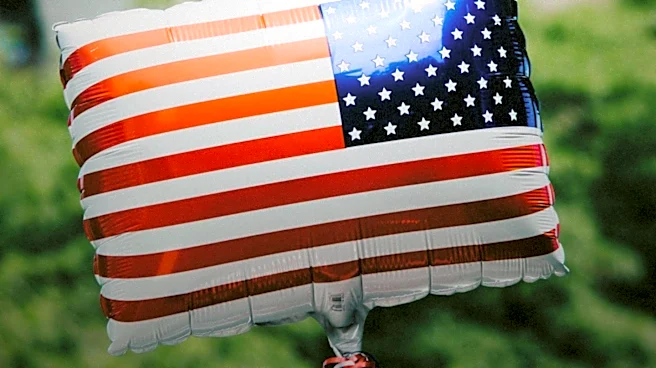
Let's be honest: nostalgia is a powerful drug. It’s why the Bicentennial in 1976—with its red, white, and blue everything, from fire hydrants to frozen treats—is remembered so fondly by those who were there. An opinion piece in the Baltimore Fishbowl
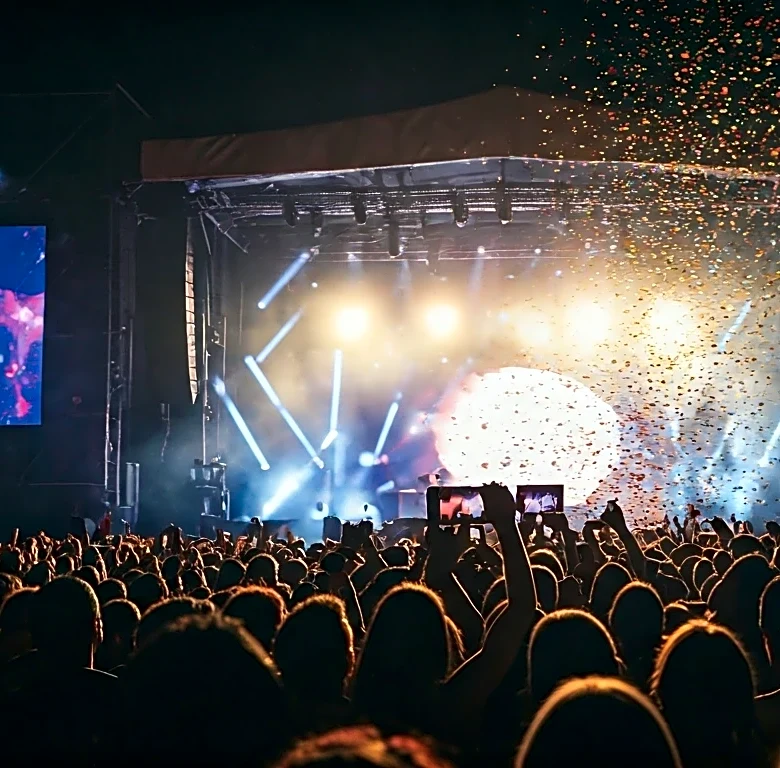
noted how shared TV experiences like "Schoolhouse Rock" created a common cultural language. For America 250, the default programming could easily be a highlight reel of revolutionary heroes, feel-good historical reenactments, and concerts heavy on classic rock and country. We're already seeing some of this, with lineups featuring artists who hit their prime decades ago. There's comfort in this approach. It evokes a simpler, more unified America—even if that version of the country never truly existed for everyone. But in 2026, serving up reheated patriotism isn't just a safe bet; it’s an act of cultural avoidance.
A Nation That Can't Agree on Its Past
The America of 2026 is not the America of 1976. The idea of a single, unifying national story has fractured. Today, we live in a landscape of social media bubbles and intense political polarization, where even wearing a flag can feel like a partisan statement. An op-ed in the Los Angeles Times points out that while the Bicentennial also occurred during ugly times—post-Watergate and Vietnam—there was still a collective will to celebrate. Now, major disagreements about the nation's history, especially regarding slavery and its legacy, make a simple, celebratory narrative feel dishonest to many. A TIME article argues that official celebrations risk minimizing these complex truths, a move that would alienate huge swaths of the population, particularly younger Americans. For Gen Z, only 16% of whom report feeling proud to live in the U.S., a commemoration that ignores the country's flaws is unlikely to resonate. They demand an honest look at the past, both the good and the bad.
What 'Entertainment' Should Mean in 2026
Instead of just looking back, America 250 entertainment should reflect the messy, vibrant, and complex nation we are now. This means commissioning new works from diverse artists, not just trotting out established acts. The official America250 organization is planning a slate of events, including a benefit show with modern stars like Mary J. Blige and Brad Paisley, and a nationwide "America's Block Party" initiative, which points toward a more decentralized, community-focused celebration. This is a step in the right direction. Success lies in empowering local communities to tell their own stories. Imagine public art projects that grapple with local history, VR experiences that immerse users in pivotal but overlooked moments, or a national playwriting competition that asks Americans to imagine the country's next 250 years. Groups like Made By Us are already pushing for this, creating toolkits and youth advisory panels to ensure Gen Z's voice isn't lost.
Beyond Fireworks and Hot Dogs
A successful semiquincentennial can't just be a birthday party; it has to be a national check-in. The most compelling entertainment will be that which sparks conversation, not just applause. PBS is embracing this with programming that aims to connect the nation's founding to the present day through documentary and cultural specials. The goal shouldn't be to force unity through a sanitized history but to build connection through a shared, honest reckoning. This means telling stories of struggle and progress, of protest and patriotism, and of the countless communities that have shaped the American story. It's about acknowledging that Merle Haggard's 1982 question, "Are the good times really over?" is still being debated in 2026. The most meaningful celebrations will be those that provide a platform for that debate, using culture and art to explore who we were, who we are, and—most importantly—who we want to become.