




The Gala's High-Wire Act
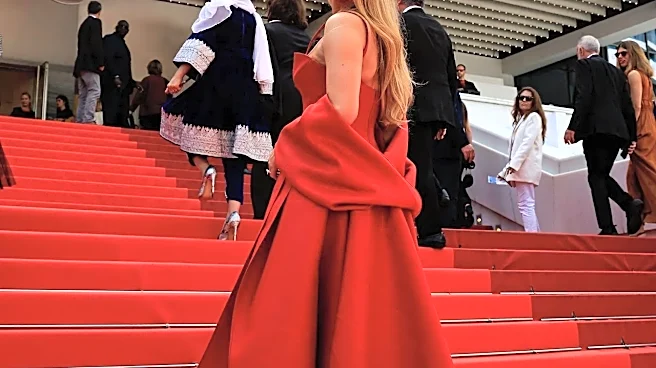
In the world of international film festivals, the 'Gala' presentation is the main event. It’s the slot reserved for the buzziest titles, the biggest stars, and the films expected to generate the most media attention. Traditionally, this means one of two
things: a surefire, star-studded awards contender destined for Oscar glory, or a massive commercial film using the festival as a launchpad. The challenge for any festival director is balancing the need for the glamour and public interest that 'event cinema' brings with the festival's core mission: championing artistic excellence. Lean too far into blockbusters, and you risk being seen as a commercial pawn. Focus solely on esoteric art films, and you might lose the public and the media spotlight. The BFI London Film Festival (LFF) walks this tightrope with a uniquely confident stride, refusing to be pigeonholed as either a populist fan event or a highbrow critical gathering.
Art and Blockbusters in the Same Breath
The 2026 LFF lineup is a perfect case study in this philosophy. The gala selections place critically acclaimed international works right alongside anticipated mainstream hits. For example, the festival features the world premiere of 'Wildwood', a major stop-motion animated feature from the celebrated studio Laika, and 'Ray Gunn', a neo-noir animation from director Brad Bird starring Sam Rockwell and Scarlett Johansson. These sit on the same prestigious billing as 'Minotaur' from Russian master Andrey Zvyagintsev and 'Fjord', the Palme d'Or-winning moral drama from Romanian director Cristian Mungiu. One moment you have Luca Guadagnino's 'Artificial', a topical film about OpenAI starring Andrew Garfield, and the next you have 'La Bola Negra', a Spanish queer epic rooted in the legacy of writer Federico García Lorca. This isn't about siloing different types of cinema; it’s about presenting them as equally valid and exciting parts of the contemporary film landscape.
A Strategy of Intentional Variety
This curatorial approach is a deliberate strategy. In a statement about the 2026 program, Festival Director Kristy Matheson spoke of turning to artists to 'synthesise our times', noting the lineup contains 'cinematic thrills, moral conundrums and a reoccurring exploration of care and community'. By programming a gala slate that includes everything from a Martin McDonagh black comedy ('Wild Horse Nine') to a Suzie Miller play adaptation ('Prima Facie' starring Cynthia Erivo), LFF is making a powerful statement. It asserts that a major festival can serve multiple audiences at once. It can provide a platform for difficult, auteur-driven films from directors like Paweł Pawlikowski ('Fatherland') while also creating the red-carpet spectacle that comes with a major premiere. This makes the festival more accessible to the public, who can find a familiar name or genre to draw them in, and then perhaps take a chance on something completely new.
The Power of Being Unpredictable
In an increasingly crowded festival circuit where top events like Cannes, Venice, and Toronto often compete for the same pool of obvious awards-season frontrunners, London's unpredictability has become its greatest asset. While the festival still showcases many of those films, its willingness to elevate a genre film, a topical tech thriller, or a major animation to the same status as a European masterpiece sets it apart. Matheson has noted that securing world premieres is not the 'organising principle' for the festival; the quality and readiness of the film are what matter most. This flexible, film-first mentality allows LFF to cultivate a reputation for discovery rather than just confirmation. It becomes a destination not just for Oscar prognosticators, but for cinephiles eager to see a broad, challenging, and genuinely exciting reflection of where cinema is today—from a biographical drama about an actor's final 'Hamlet' ('Elsinore') to Jesse Eisenberg's comedic love letter to community theater ('The Debut').