





The Ritual We Didn't Know We Needed
Before a single line of dialogue is spoken, a good theme song does something crucial: it shifts your brain out of the real world and into the world of the show. It’s a psychological airlock. Think of the swelling, intricate score of “Game of Thrones”
as the clockwork map builds on screen. It wasn’t just credits; it was a weekly summons, a signal to settle in for an hour of political maneuvering and dragon fire. This Pavlovian effect is by design. For decades, theme music has served as an overture, a consistent audio cue that primes us for the emotions to come—the quirky optimism of “The Office,” the anxious melancholy of “The Sopranos,” or the fizzy, caffeinated friendship of “Friends.” It’s a shared ritual that transforms passive viewing into an event, a moment of collective anticipation before the story begins. When we skip it, we’re not just jumping to the first scene; we’re bulldozing the welcome mat.
A Story Before the Story Begins
The best theme songs are narrative devices in their own right. They are the show’s thesis statement, condensed into a minute of music and visuals. The discordant, out-of-tune piano in “Succession” tells you everything you need to know about the Roy family’s warped dynamics and broken legacy before anyone even utters a cutting remark. Michael Kiwanuka's soulful “Cold Little Heart,” which opens “Big Little Lies,” isn't just a cool track; it’s a mood board of wealth, ennui, and simmering violence. These intros are dense with symbolism and foreshadowing. The opening of “Westworld” uses a player piano and 3D-printed bodies to explore the show’s central themes of manufactured consciousness and broken loops before the park even opens for business. In older shows, this was even more direct, with themes for series like “The Fresh Prince of Bel-Air” and “Gilligan's Island” literally telling you the entire premise. They provide context, tone, and character, all while the actors’ names flash by.
The Ultimate Sonic Branding
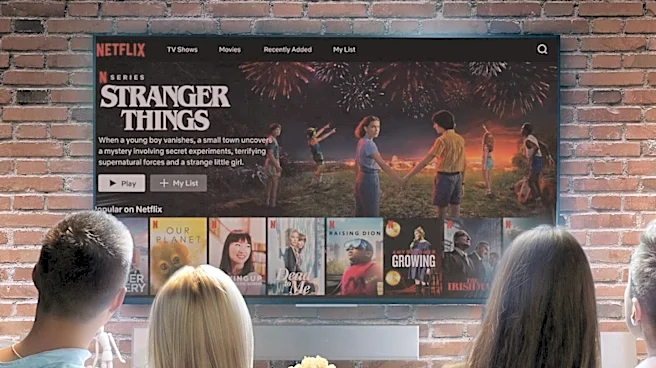
In a media landscape more crowded than ever, a theme song is a show's most effective piece of branding. It’s a sonic logo. You can hear two notes of the “Law & Order” theme—that iconic “dun-dun”—from another room and know exactly what’s on. That instant recognizability is marketing gold. It makes a show memorable and distinct. While Netflix reports its “Skip Intro” button is pressed over 136 million times a day, the very existence of that feature highlights the theme's power as a discrete, identifiable unit. Even if you skip it during a binge-watch, that tune is what you’ll hear in trailers and what will get stuck in your head days later, serving as a constant, subtle reminder of the show. It’s the hook that keeps the series embedded in our cultural consciousness, an earworm that works for the show long after you’ve stopped watching.
Our Last Communal Campfire
Binge-watching has turned television into a more solitary, personalized experience. We watch at our own pace, on our own schedules. The idea of millions of people sitting down to watch the same thing at the same time is becoming a relic. In this fractured viewing environment, the theme song is one of the last truly communal aspects of a show. It’s the one part of the experience that is identical for everyone. It’s a shared anthem. When you hear the opening notes of “Stranger Things,” you’re connected to every other fan who has also felt that synth-heavy wave of 80s nostalgia. This shared audio memory creates a sense of belonging and community. It becomes a cultural touchstone that fans can reference, hum, and bond over—a universal language for a show’s global audience. Skipping the intro feels like arriving late to a party where everyone else already knows the inside joke.