



Sophisticated Silhouettes
The first step in divorcing macramé from its bohemian, craft-fair reputation is rethinking its shape. Forget the shapeless wall hangings and fringe vests of the past. Today’s designers are using intricate knotting to create highly structured and flattering
silhouettes. At recent Miami Swim Week shows, we saw macramé molded into sharp, architectural forms—think form-fitting midi dresses with strategic cutouts, elegant high-waisted trousers, and dramatic, floor-sweeping dusters. Designers like PatBO and Sinesia Karol use macramé not as a loose overlay but as the very fabric of the garment, sculpting it to hug the body in a way that feels intentional and expensive. The focus is on clean lines and modern cuts, such as asymmetrical necklines or tailored wide-leg pants, which instantly signal sophistication over simple craft.
A Luxurious Material Mix
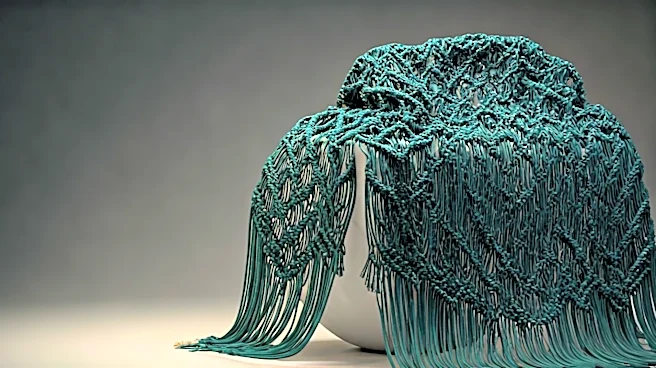
High fashion is often a story of materials, and this is where designers truly work their magic. Instead of the raw, natural jute or thick cotton cord you’d find in a DIY kit, runway macramé is crafted from elevated fibers. Designers are opting for silky, lustrous threads that catch the light, fine-gauge metallic cords that add a touch of futuristic glam, or even custom-dyed yarns that create a subtle ombré effect. Furthermore, it’s not just about the macramé itself but what it’s paired with. A hand-knotted bodice might be attached to a flowing silk-chiffon skirt. A macramé panel might be inset into a classic one-piece swimsuit made of high-performance Lycra. This juxtaposition of textures—the organic, open weave of the knots against the smooth, fluid drape of luxury fabrics—creates a dynamic and polished look that feels deliberate and artful.
Refined Color Palettes
While traditional macramé often lives in a world of ecru, beige, and earthy browns, its high-fashion counterpart embraces a much wider and more deliberate color story. To make it feel modern, many designers are leaning into stark, chic monochromes. An all-black macramé gown, for instance, reads as eveningwear, not beach craft. Similarly, a crisp, all-white knotted dress feels minimalist and modern, perfect for a high-end resort. Beyond neutrals, designers are using bold, saturated jewel tones like emerald green, sapphire blue, and rich ruby red. These deep, vibrant colors give the knotted texture a sense of opulence and drama. By ditching the expected palette, designers sever the visual tie to the 1970s and anchor the technique firmly in the present day.
Strategic Embellishment and Styling
The final touch in elevating macramé is in the details and the styling. A simple knotted net can be transformed by weaving in delicate pearls, sparkling crystals, or custom-made wooden and metallic beads. These embellishments add weight, texture, and a point of visual interest that makes the piece feel unique and handcrafted in a couture sense. On the runway, styling is key. A macramé dress isn't paired with flip-flops and a flower crown; it’s styled with slicked-back hair, minimalist metallic heels, and a single piece of statement jewelry. This context is crucial. By presenting macramé within a polished, high-fashion framework, designers tell the audience to see it not as a casual, folksy item but as a serious piece of wearable art.