






The Rise of Quiet Cool
The 1990s were largely a reaction to the extravagance of the 1980s. Around the world, fashion swung from shoulder pads and neon to a more subdued, minimalist look. While designers like Calvin Klein and Helmut Lang defined the aesthetic on international
runways, a unique variation took hold in the streets of Copenhagen. Rooted in Danish design principles of function, quality, and simplicity, this style was less about runway drama and more about real life. It was practical for a city where people cycle everywhere, but it was also incredibly chic. This wasn't about chasing trends; it was about building a wardrobe of timeless, well-made pieces that worked together seamlessly.
The Formula: High-Quality Basics
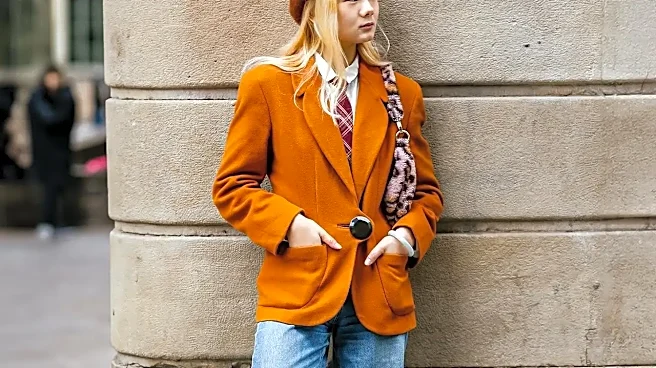
At the heart of the Copenhagen formula is an investment in elevated basics. This isn't about owning a lot of clothes, but about owning the right ones. Think of a perfectly tailored trench coat, an oversized wool blazer, a crisp white shirt, and jeans that fit just right. These aren't just clothes; they're the foundational building blocks of a versatile wardrobe. The emphasis was, and still is, on quality fabrics and impeccable cuts. A cashmere sweater or a well-structured jacket wasn't just a purchase for a season but an investment designed to last for years. This 'quality over quantity' mindset is a core principle of Danish design and a key reason the style endures.
The Formula: A Neutral Foundation
The 90s minimalist color palette was famously restrained, dominated by black, white, grey, and beige. The Copenhagen interpretation perfected this. A neutral foundation makes getting dressed incredibly simple. Every piece works with every other piece, creating a streamlined and cohesive look without any effort. These muted tones also allow the quality and texture of the garments to take center stage. While modern Copenhagen style often incorporates pops of bold color and playful prints, the core of many wardrobes is still built on this versatile, neutral base. It’s a canvas that can be kept simple and elegant or updated with a colorful accessory.
The Formula: Practical, Stylish Footwear
One of the most defining and practical elements of Scandi style is the footwear. In a city built for walking and cycling, stilettos were never the default. Instead, the 90s Copenhagen look embraced stylish, comfortable shoes. This could mean a sleek leather boot, a classic loafer, or a simple, clean sneaker. The key is that the footwear is always functional but never an afterthought. It's integrated into the look, proving that you don't have to sacrifice comfort for style. This practical approach remains a hallmark of Copenhagen street style today, where you’re far more likely to see a cool dad sneaker or a chunky boot than a towering heel.
Why It Still Resonates
So why does a style from over thirty years ago feel so right for now? Because the principles behind it have become modern values. The emphasis on buying fewer, better things aligns perfectly with today’s conversations around sustainability and conscious consumption. The focus on timeless basics and personal style feels like a refreshing antidote to the relentless cycle of fast-fashion micro-trends. In a world of “quiet luxury” and capsule wardrobes, the 90s Copenhagen formula isn't a retro trend; it's a blueprint for intentional, confident dressing. It proves that true style isn't about being the loudest person in the room, but about the quiet confidence that comes from feeling good in what you wear.