







A Family Feud, Not a World War
Game of Thrones was defined by its sprawling, epic scope. It juggled dozens of characters across an entire continent, from the frozen lands beyond the Wall to the sun-baked deserts of Dorne. The central conflict was a multi-front war for control of a kingdom,
complicated by an impending zombie apocalypse. It was a story about a world.
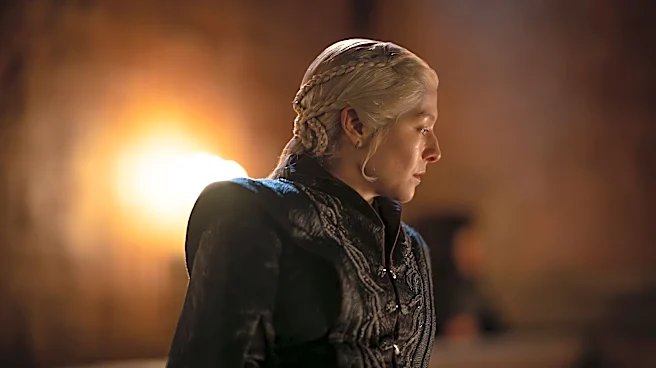
House of the Dragon, in contrast, is a story about a single, toxic family. While the fate of the Seven Kingdoms hangs in the balance, the narrative is intensely focused, almost claustrophobic. Most of the action takes place within the Red Keep's stone walls or the Targaryen stronghold of Dragonstone. The conflicts aren’t between Stark and Lannister, but between uncle and niece, daughter and stepmother. It trades the geopolitical complexity of its predecessor for the suffocating intimacy of a domestic drama, where the arguments just happen to be punctuated by dragonfire. The scale is smaller, but the emotional stakes feel sharper and more personal.
The Inevitable Tragedy vs. The Grand Surprise
Much of the magic of Game of Thrones’ early seasons was its shocking unpredictability. The Red Wedding, Ned Stark’s execution—these moments were powerful because they felt like radical departures from fantasy tropes. The story was a vast “what if?” where anyone could die and any outcome seemed possible (until the final seasons, at least).
House of the Dragon operates on the opposite principle: the tragedy of inevitability. Based on George R.R. Martin’s book *Fire & Blood*, the show is a historical account of a known event: the Targaryen civil war known as the Dance of the Dragons. We know the destination. The family will tear itself, and the kingdom, apart. The tension doesn’t come from wondering *if* disaster will strike, but from watching *how* it happens, step by painful step. Every slight, every misunderstanding, every bitter word becomes a domino falling toward a foregone conclusion. It’s less of an adventure and more of a Shakespearean tragedy, finding its power in the grim march toward ruin.
A Focused Study of Patriarchy
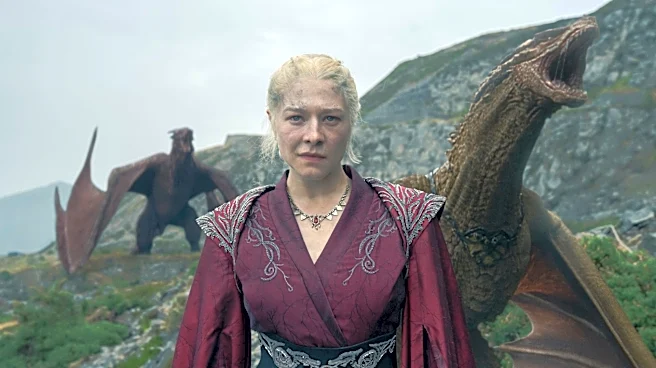
While Game of Thrones featured powerful women and explored themes of gender, its critique of systemic misogyny was often just one thread in a much larger tapestry. For House of the Dragon, it’s the entire loom. The central conflict is ignited by a king’s desperate, destructive desire for a male heir. The entire story hinges on the question of whether a woman, Princess Rhaenyra, can be allowed to sit on the Iron Throne.
Every decision, from King Viserys naming Rhaenyra his heir to the court’s subsequent scheming, is filtered through the lens of patriarchal power. The show meticulously illustrates how Rhaenyra and her rival, Queen Alicent, are trapped and defined by the expectations of the men around them and the rigid system they inhabit. It’s a far more concentrated and potent exploration of how gender politics can shatter a dynasty, making it the primary engine of the plot rather than a secondary theme.
Characters of Gray, Not Good vs. Evil
Game of Thrones, for all its nuance, still gave us clear heroes and villains. We were meant to root for Jon Snow and revile Ramsay Bolton. The lines, while sometimes blurred, were generally clear. It was a story that, ultimately, had a “good guys” team.
House of the Dragon purposefully avoids this. There are no heroes here. Every character is a messy, compromised bundle of ambition, love, and resentment. Rhaenyra is a sympathetic protagonist fighting for her birthright, but she is also impulsive and capable of cold calculation. Alicent is a product of duty and fear, but her piety curdles into self-righteous cruelty. Even the supposedly noble characters make disastrous choices for selfish reasons. The show dares you to pick a side—Team Black or Team Green—only to constantly remind you that every player is flawed, and every flag is stained. It's a more challenging and mature approach to character, demanding empathy for people who often don't deserve it.