






The Illusion of an Open Invitation
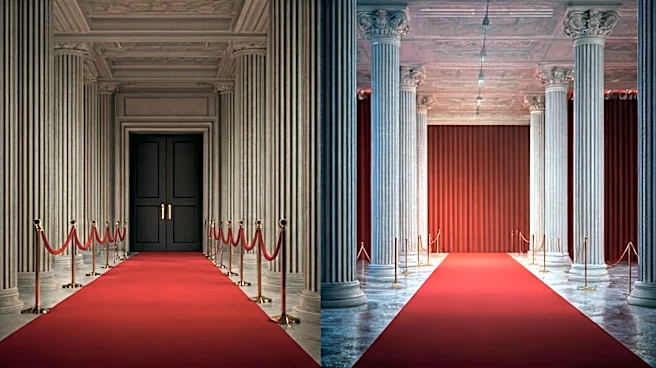
Both Cannes and Balenciaga have mastered the art of high-profile gatekeeping. Getting into either is a near-impossible feat for the average person, and that’s the entire point. Cannes operates on a strict, color-coded accreditation system, with the coveted white badge reserved for A-list talent and top-tier media. Everyone else scrambles for a lesser pass, creating a frantic hierarchy of access. Similarly, a Balenciaga show invitation isn't something you can buy; it's a summons. It might be a smashed iPhone or a stack of fake cash, but the message is clear: you are one of the chosen few. This manufactured scarcity doesn't just create buzz; it establishes the event as the center of its respective universe. The business model here is based on exclusion
creating desire. The value isn't just in what's being shown, but in who gets to see it first.
The Showpiece vs. The Real Product
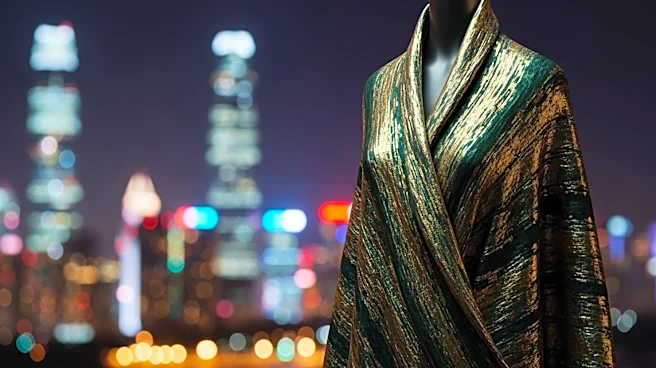
Here lies the most crucial distinction—and similarity. At Cannes, the 'showpiece' is the film premiering in the Grand Théâtre Lumière, complete with a six-minute standing ovation. But the 'real product' is being sold a few blocks away at the Marché du Film, the world's largest film market. While celebrities walk the red carpet, producers are in back rooms frantically making distribution deals for hundreds of other films, many of which will never see a premiere. The festival’s glamour provides a halo for the grubby, essential business of selling movies. Balenciaga operates on the exact same principle. The 'showpiece' is the outlandish runway look—a gown made of garbage bags, a model covered in mud. These are conversation starters, not commercial items. The 'real product' that this high-concept art helps sell is the $1,200 logo hoodie, the $1,150 Triple S sneaker, and the $2,500 City bag. The avant-garde show creates the brand heat and cultural authority that allows the company to move millions of units of relatively conventional, high-margin accessories and apparel. The show is marketing; the hoodie is merchandise.
Manufacturing a Media Moment
Both events are exquisitely engineered to be media-making machines. The Cannes red carpet isn’t just a walkway; it's a globally syndicated content farm. Every glance, every gown, every pairing is designed for maximum photographic and social media impact. The festival generates billions of media impressions, reaffirming its cultural dominance and providing invaluable marketing for the films it selects. Balenciaga, under creative director Demna, has arguably surpassed every other fashion house in its ability to create a viral moment. From putting Kim Kardashian in head-to-toe caution tape to staging a show in a simulated blizzard, the goal is to create imagery so potent it floods Instagram feeds and becomes a meme. They aren't just showing clothes; they are staging a cultural intervention designed for digital dissemination. In this model, the audience watching on their phones is just as important, if not more so, than the 200 people in the room.
The Return on Investment
The ultimate goals diverge slightly. For a film at Cannes, the ROI is prestige that translates into commercial opportunity. Winning the Palme d'Or can secure global distribution, add millions to the box office, and launch an Oscar campaign. The festival is a B2B (business-to-business) platform where the 'art' is a launchpad for a commercial run. For Balenciaga, the ROI is more direct and brand-focused. A successful show doesn't just sell the collection; it reinforces Balenciaga’s status as a cultural arbiter. This drives brand value for its parent company, Kering, and justifies the premium pricing on its commercial goods. It’s a B2C (business-to-consumer) play where the 'art' is a direct advertisement for a lifestyle and, by extension, the products that represent it. Cannes sells the film; Balenciaga sells the T-shirt that proves you get the film.