





Start with the Fabric's Feel and Function
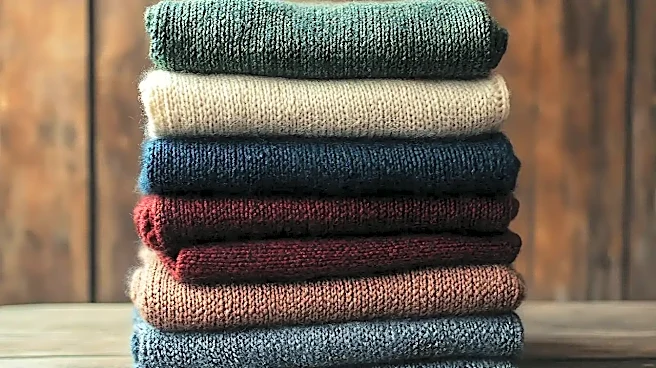
The soul of a quality trench coat is its fabric. Traditionally, this is cotton gabardine, a tightly woven twill invented by Thomas Burberry that is naturally water-resistant and breathable. When you touch it, it should feel dense and substantial, not
flimsy or overly shiny like cheap polyesters. A good gabardine has a certain structure that allows it to hang beautifully, holding its shape without being stiff. This ensures the coat drapes with an intended elegance rather than collapsing. While modern blends can offer performance benefits, a high-quality cotton base provides the classic matte finish and feel that defines the look.
Examine the Functional Military Details
Nearly every classic detail on a trench coat has a purpose derived from its military origins. The storm flap on the back and gun flap on the chest were designed to shed rain. Epaulettes on the shoulders once held gloves or indicated rank. The belt, with its D-rings, was used to carry equipment like map cases. In a quality coat, these elements are not just decorative; they are well-constructed. The flaps are cleanly integrated, the belt is made of the same fabric as the coat, and the cuff straps are functional, allowing you to tighten them against the wind.
Look for a Superior Lining (Or a Lack Thereof)
The inside of a coat is as important as the outside. A quality lining, often made of breathable materials like cotton or viscose, helps the coat glide on and off easily, adds to its longevity, and hides the internal seams. Synthetic linings like polyester, on the other hand, don't breathe and can feel cheap. Some of the most iconic trench coats feature a signature check pattern on the lining. A removable liner, often made of wool, is a sign of a versatile, all-season garment. Paying attention to this interior detail is a quick way to gauge overall craftsmanship.
Inspect the Stitching and Seams
The quality of a garment's construction is often revealed in its stitching. On a well-made trench, look for neat, even, and dense topstitching, especially around the collar, lapels, and pocket edges. The seams should be flat and clean; high-end versions often use flat-felled seams for durability and a polished finish. Check the buttonholes—are they crisply sewn or fraying? A multi-piece collar construction, which allows it to stand up properly, is another hallmark of superior tailoring that is often skipped in lower-quality versions. These small points of construction add up to a coat that holds its shape and lasts for years.
Assess the Hardware and Fastenings
The hardware—buttons, buckles, and hooks—can be a dead giveaway of quality. Mass-produced coats often use flimsy plastic or lightweight metal. A premium trench will have substantial hardware that feels solid and durable. Buckles on the belt and cuffs should be sturdy, and buttons should be securely attached, perhaps even engraved with the brand's name. Another small but telling detail is the throat latch, a strap and buckle or hook-and-eye system under the collar that allows for full closure against the elements, a feature often found on heritage designs.
The Parisian Approach: It's How You Wear It
Beyond construction, the Paris-inspired element is about the attitude and the fit. It’s less about a skin-tight silhouette and more about a relaxed, roomy fit that can be worn over other layers. The Parisian secret is often in the nonchalant styling: the belt is tied casually rather than buckled, the collar is popped, and the coat is worn with an air of effortless confidence. A neutral color like beige, khaki, or navy enhances this versatility, making the trench a go-to piece that pulls any outfit together.