
The Art of 'Sprezzatura'
The core of Milanese style can be summed up in one beautiful Italian word: sprezzatura. Coined in the 16th century, it describes a certain nonchalance or a studied carelessness. It’s the art of making something that required effort look completely effortless.
In fashion, this translates to an outfit that is perfectly put together but worn with a relaxed ease. Think of a man who has invested in a beautifully tailored suit but then forgets all about it, moving with natural confidence. It’s the opposite of looking like you tried too hard. This attitude is the invisible thread that holds the entire aesthetic together, making luxury feel personal and approachable rather than stiff and performative.
An Obsession with Quality and Fit
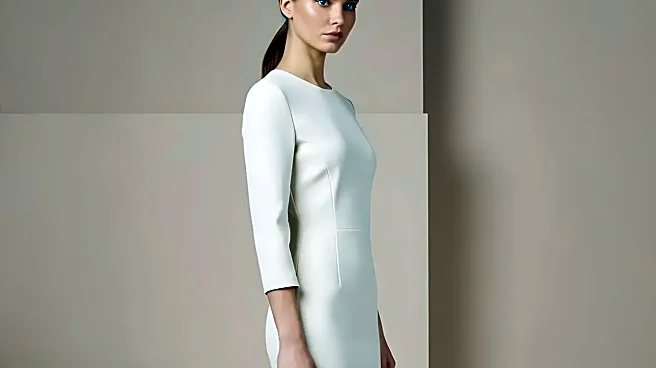
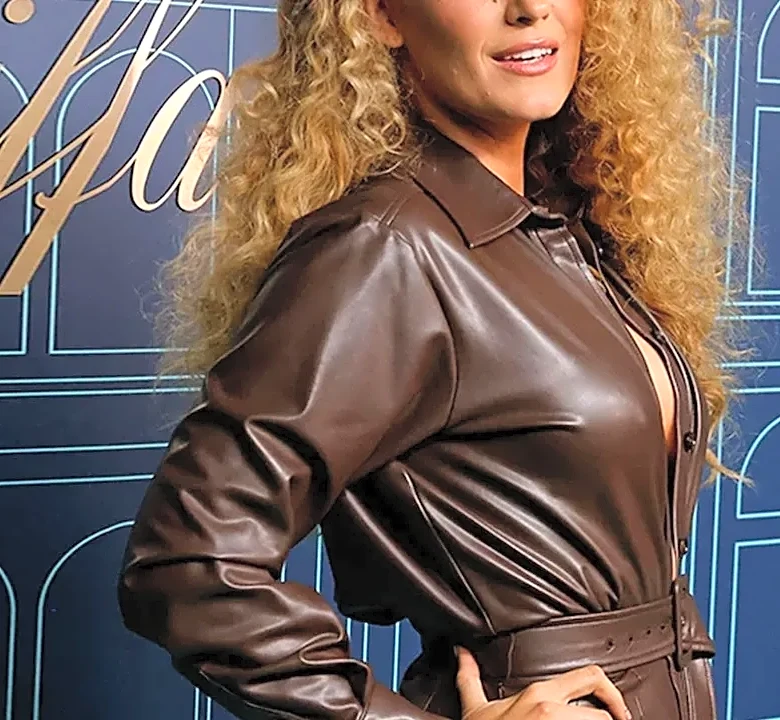
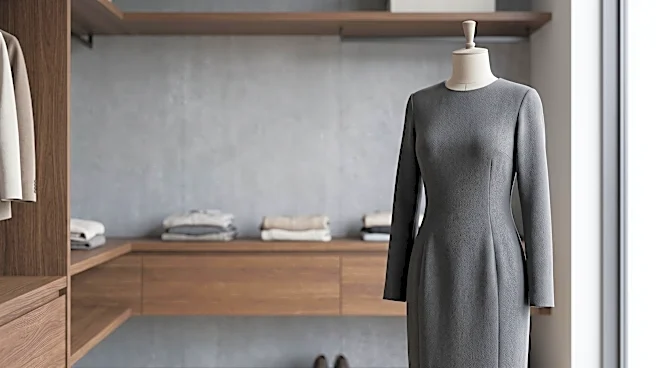
Before anything else, Milanese style prioritizes exceptional quality and impeccable tailoring. This is the foundation of looking expensive. Instead of chasing fleeting trends, the focus is on investing in timeless pieces made from luxurious, natural fabrics like cashmere, silk, fine wool, and high-grade leather. These materials not only feel better but also drape and wear in a way that synthetic fabrics cannot. Tailoring is the other half of the equation; a simple pair of trousers or a classic blazer, when fitted perfectly to the body, looks infinitely more high-end than a more expensive, ill-fitting garment. This dedication to craftsmanship means that even the simplest outfit communicates value and attention to detail.
A Foundation of Neutral Colors
Scroll through images of Milanese street style and a clear pattern emerges: a devotion to a neutral color palette. Shades of black, navy, camel, beige, cream, and grey form the sophisticated base of most wardrobes. This isn't about being boring; it's about being strategic. A neutral palette is inherently timeless and versatile, allowing for easy mixing and matching of high-quality pieces. When color is used, it’s often as a deliberate, single point of interest—a rich jewel tone in a handbag or a vibrant scarf—rather than an overwhelming pattern. This restrained approach to color is a hallmark of “quiet luxury,” ensuring the focus remains on the silhouette, texture, and quality of the garments themselves.
Investment Outerwear Is Non-Negotiable
In Milan, outerwear is never an afterthought; it’s a major component of the look. A timeless, beautifully constructed coat is considered a fundamental investment. Pieces like a classic camel coat, a sharp trench, or a tailored wool blazer are staples in a Milanese wardrobe. These items have the power to instantly elevate whatever is worn underneath, whether it's a simple knit and jeans or a dress. The focus on a powerful outerwear piece demonstrates an understanding that the first impression of an outfit is often the last. It provides structure and polish, ensuring the entire look feels considered from the moment you walk out the door.
Finishing with Intentional Accessories
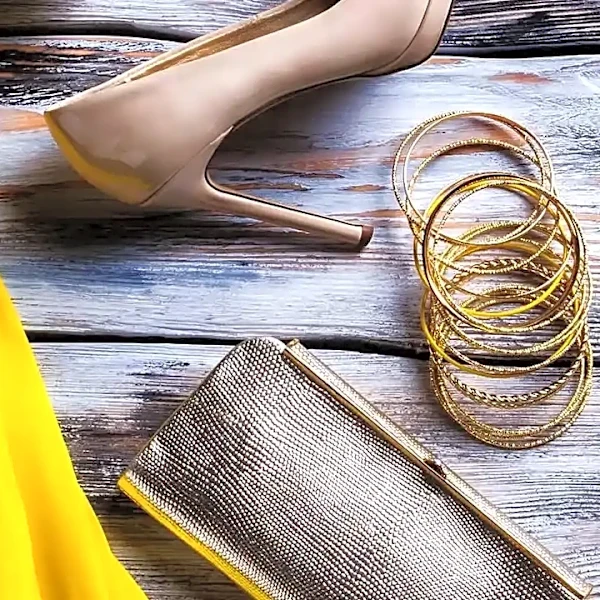
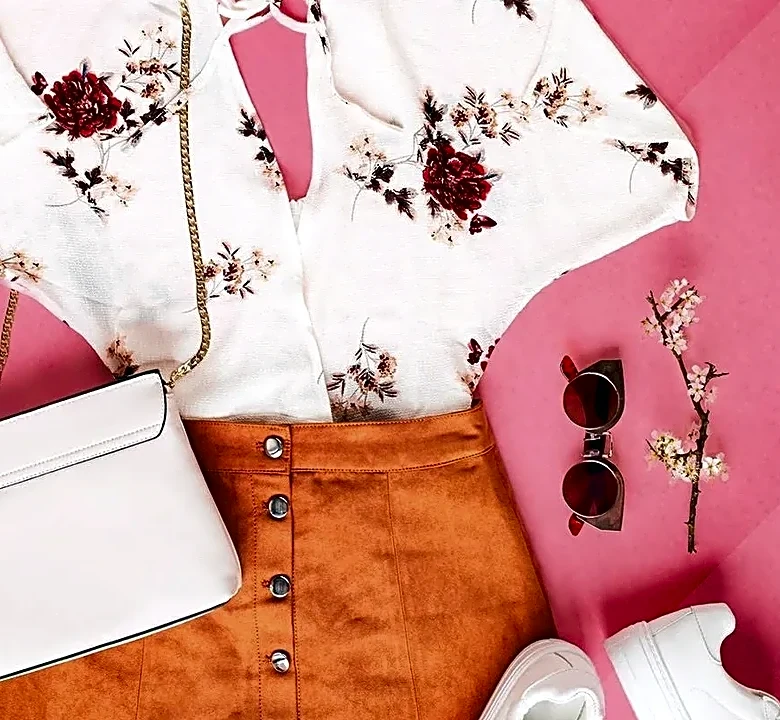
While the clothing is often understated, accessories are chosen with intention to provide a single point of focus. This isn’t about piling on jewelry or carrying the latest “it” bag plastered with logos. Instead, it’s about one or two perfect items: a structured leather handbag from a brand known for its craftsmanship, a classic pair of sunglasses, a simple gold chain, or a silk scarf. Often, these are pieces inherited or vintage, adding a layer of personal history. The shoes are just as important, with a preference for polished loafers, sleek boots, or clean white leather sneakers that are both chic and practical for navigating cobblestone streets. This minimal but impactful approach to accessorizing completes the look without creating visual noise.