







The Same Kitchen, Different Recipes
To understand the food of Spain and Portugal, you first have to acknowledge the shared pantry. For centuries, the Iberian Peninsula was a cultural melting pot, and its cuisine reflects that. The Romans brought olive oil, wine, and garlic—the holy trinity
of Mediterranean cooking. Then came the Moors from North Africa, introducing ingredients and techniques that would forever shape the region’s palate: rice, citrus fruits, almonds, and delicate spices like saffron and cinnamon. This common foundation means that if you squint, you can see the family resemblance. Both cuisines prize fresh, simple ingredients, from gleaming fish to sun-ripened tomatoes. But from this shared starting point, each nation embarked on a wildly different culinary journey.
Portugal: An Empire of Spice and Sea
If Spanish food looks inward to its diverse regions, Portuguese food looks outward to the vast Atlantic Ocean and the global empire it once commanded. Portugal is a maritime nation, and its soul is inextricably linked to the sea. The national obsession is *bacalhau* (salt cod), famously said to have at least 365 different recipes, one for every day of the year. This isn't just a dish; it's a symbol of a seafaring people who needed to preserve fish for long voyages.
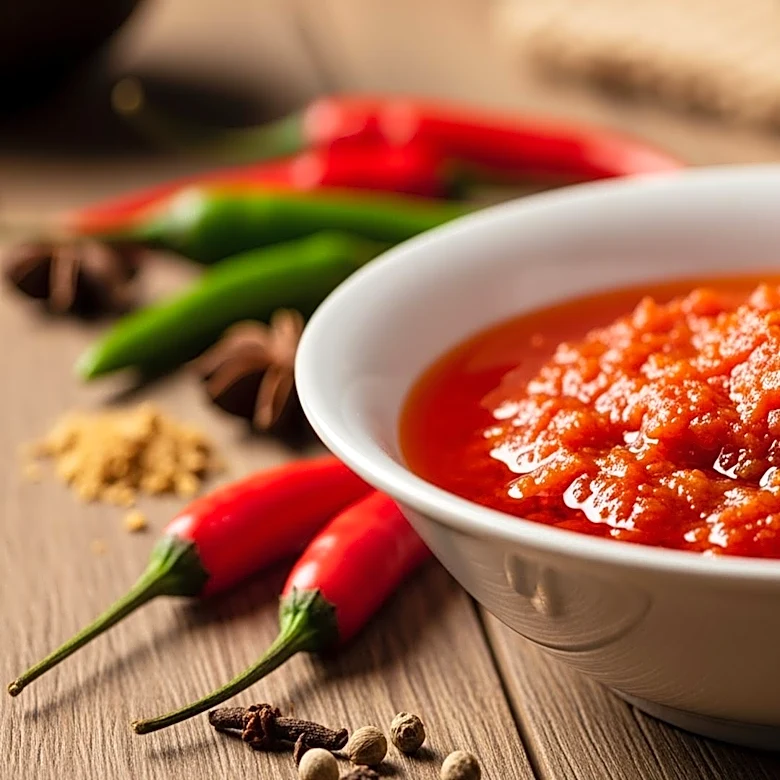
The Age of Discovery also returned a world of flavor to Lisbon’s shores. Portuguese navigators brought back piri-piri peppers from Africa, cinnamon from Sri Lanka, and black pepper from India, all of which became central to their cooking in a way they never did in Spain. This results in a cuisine that is often bolder and more overtly spiced—think grilled chicken slathered in fiery piri-piri sauce or the warming hint of cinnamon in their iconic custard tarts, *pastéis de nata*.
Spain: A Nation of Regions
Spain is a country so fiercely regional that many argue there’s no such thing as “Spanish food”—there is only the food of Andalusia, the Basque Country, Catalonia, and Galicia. While Portugal looked to the sea, Spain’s culinary identity fractured into a mosaic of powerful local traditions. In the north, you find hearty Basque stews and sophisticated *pintxos* (the region's answer to tapas). Along the Mediterranean coast, it’s all about rice dishes like *paella*. In the arid center, the focus shifts to roasted meats and legendary cured hams like *jamón ibérico*.
The defining Spanish culinary experience is not a single dish but a style of eating: tapas. These small plates, designed for sharing and socializing, embody the country’s convivial spirit. It’s a cuisine of the land and the community, celebrating local products from Padrón peppers (some hot, some not) to Manchego cheese, all enjoyed in a lively, bustling bar.
The Sweet Divide
Nowhere is the difference more apparent than at the end of the meal. Portuguese bakeries (*pastelarias*) are temples of sugar and egg yolks, a legacy of convents that used the whites to starch clothing and needed a use for the leftover yolks. The result is a stunning array of rich, custardy treats, with the world-famous *pastel de nata* as their king.
Spain’s sweet tooth is simpler, and often fried. The most iconic dessert is arguably *churros con chocolate*—fried dough sticks dipped in a cup of thick, pudding-like hot chocolate. It’s less delicate and more of a comforting, rustic indulgence. Even the coffee culture tells a story. In Lisbon, you slam a quick, powerful *bica* (espresso) at a counter. In Madrid, you’re more likely to linger over a milky *café con leche* at a sidewalk table, watching the world go by.