
Base: Trade Coverage for Radiance
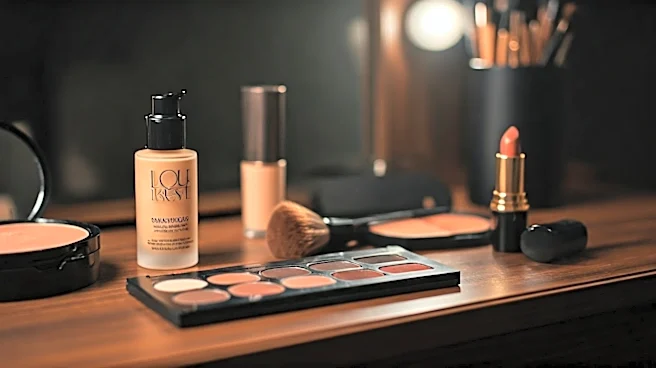
Stage makeup is built to withstand hot lights and be seen from the back row. This often means heavy, matte, full-coverage foundation, sometimes called “pancake” makeup. For daytime, the goal is the opposite: to let your skin shine through. Instead of a thick
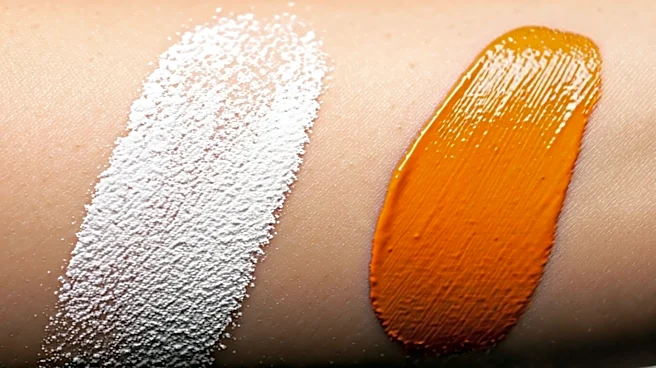
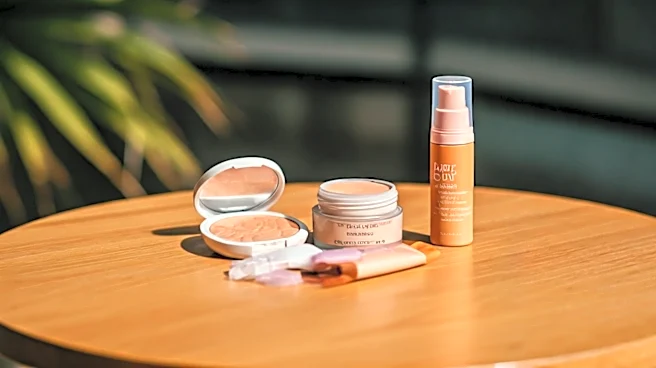
cream or stick foundation, opt for a tinted moisturizer, a BB cream, or a lightweight liquid foundation. Apply a thin layer with a damp sponge for a sheer, dewy finish. Rather than masking imperfections, use a high-coverage concealer to spot-treat blemishes or dark circles. This “pinpoint concealing” technique gives you targeted coverage exactly where you need it, allowing the rest of your skin to look fresh and natural.
Eyes: Diffuse the Drama
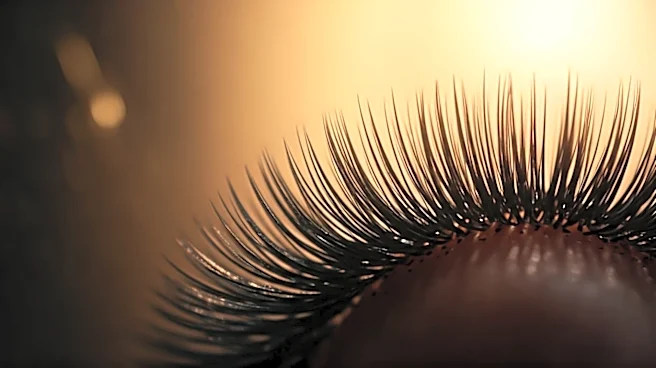
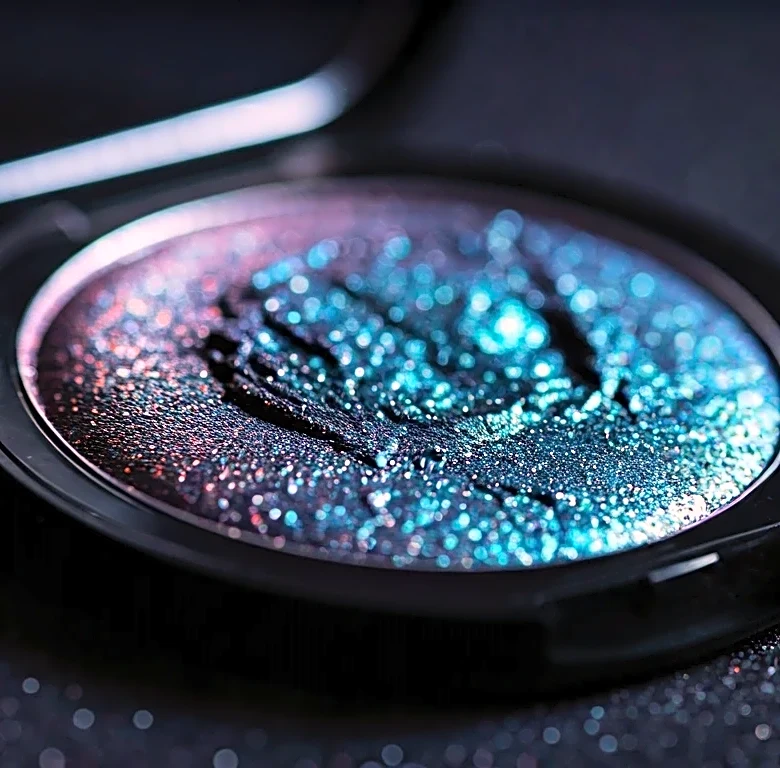
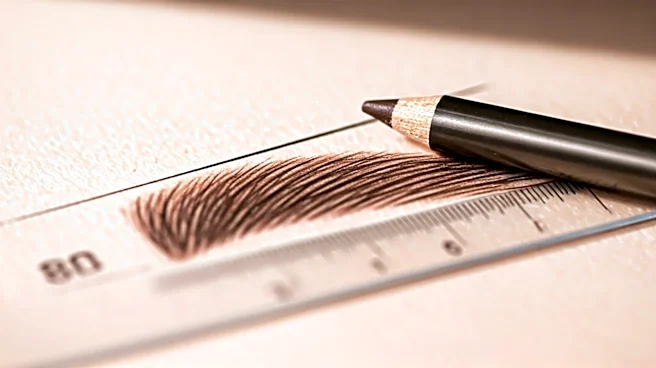
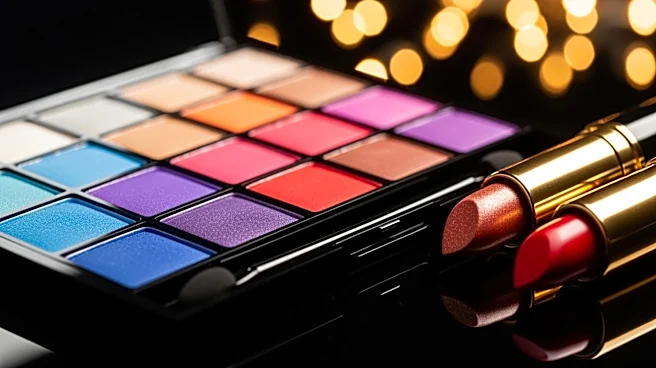
Theatrical eye makeup is all about sharp lines and intense, unblended blocks of color that create definition from a distance. To pivot this for daytime, think “soft focus.” If the stage look features a sharp, black liquid cat-eye, swap it for a brown or charcoal pencil. Apply it close to the lash line and immediately smudge it with your finger or a small brush for a smokier, more diffused effect. If you’re inspired by a bold eyeshadow color, apply it as a sheer wash across the lid rather than packing it on for full opacity. Pick one element of the dramatic eye to keep. For instance, you can use a bright color as liner instead of all over the lid, or place a single, well-placed rhinestone near the corner of the eye for a hint of sparkle without the full glitter lid.
Contour: Sculpt with Shadow, Not Stripes
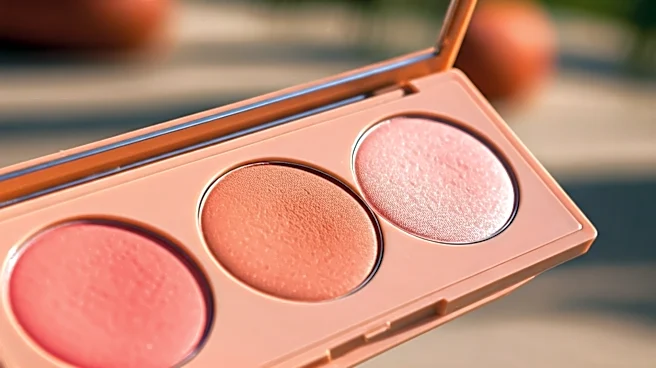
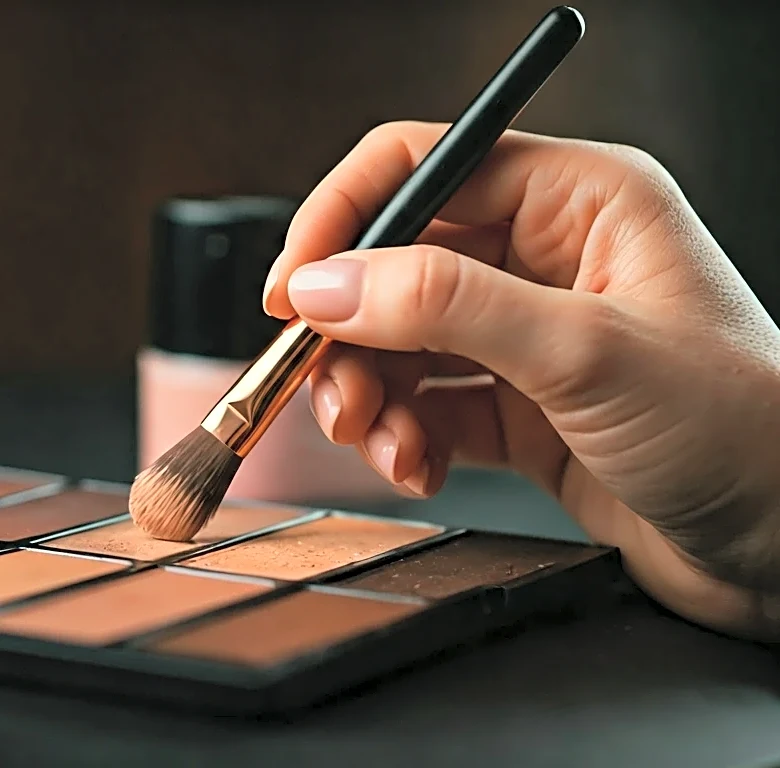
On stage, contouring creates the illusion of sharp cheekbones and a defined jawline under flat, bright lighting. It’s often done with cool-toned grays and stark highlight shades that can look muddy or artificial in natural light. For a daytime-appropriate version, switch from contour powder to a warm-toned bronzer. Use a large, fluffy brush and apply it in a “3” shape, sweeping from your temples, to the hollows of your cheeks, and along your jawline. The key is to blend, blend, blend until there are no harsh lines. The goal is a sun-kissed warmth that adds dimension, not a theatrical carve-out. For highlighter, choose a cream or liquid formula that melts into the skin for a natural glow, rather than a glittery powder that sits on top.
Lips: Choose a Stain Over a Statement
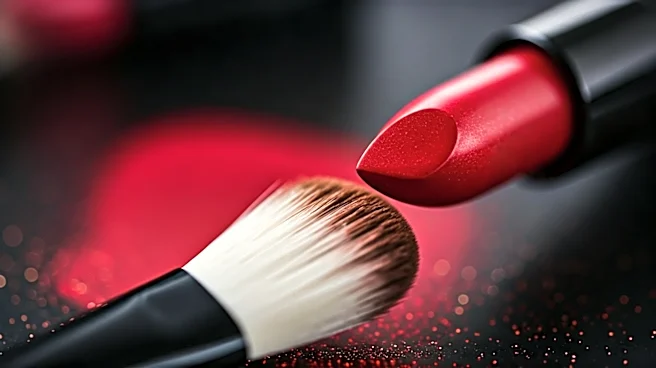
A classic stage lip is often a bold, opaque, perfectly lined color—think vibrant red or deep berry with a matte finish that won’t budge. While stunning, it can feel a bit intense for a Tuesday morning meeting. To get a similar color effect with a more relaxed feel, opt for a lip stain or a tinted balm. These products deliver a sheerer version of the color that looks like a natural flush. You can even use your favorite bold lipstick: just dab it onto the center of your lips with your finger and press your lips together, blurring the color outward. This creates a soft, popsicle-stained effect that’s modern and effortlessly cool. Skip the sharp lip liner for a softer, more forgiving edge.
The Final Edit: Pick Your Hero
The most important rule for translating a dramatic look for daytime is to choose one focal point. Stage makeup often goes all-in on every feature—strong eyes, strong cheeks, and a strong lip—because every feature needs to be visible. In the real world, that can be overwhelming. If you want to rock that electric blue eyeshadow wash, keep your base, cheeks, and lips minimal and neutral. If you’re determined to wear a bold, vampy lip, pair it with a clean, nearly bare eye and softly bronzed skin. By letting one feature be the “star” of the look, you honor the spirit of the original inspiration while creating a balanced, wearable, and undeniably chic result.