








The Juneteenth Tonal Tightrope
Every year, as networks and streamers roll out their Juneteenth programming, they face a unique challenge: how do you honor a holiday that is simultaneously a celebration of freedom and a somber reminder of brutal oppression? The resulting specials are
often a mixed bag. Some lean into pure celebration, feeling like a concert special with historical footnotes. Others are so heavy with the weight of history that they risk becoming inaccessible, purely academic exercises. Many try to do both and end up feeling tonally disjointed, bouncing from a joyous musical performance to a gut-wrenching historical reenactment with jarring speed. The intention is almost always good, but the execution often reveals how difficult it is to capture the multifaceted, contradictory, and deeply human experience that Juneteenth represents. The goal isn't just to inform or entertain; it's to create a space that feels authentic to the complex emotional landscape of Black America.
A Blueprint from 1987
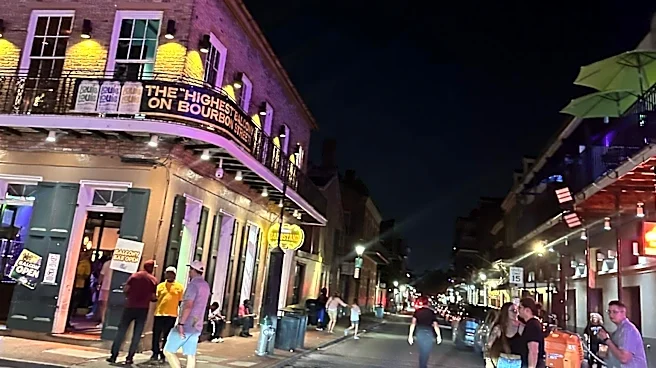
The answer, or at least a powerful blueprint, doesn't lie in a new format. It lies in a forgotten one, exemplified by a show that aired for one near-perfect season in 1987: *Frank's Place*. Co-created by Hugh Wilson (of *WKRP in Cincinnati* fame) and starring Tim Reid, the series followed Frank Parrish, a buttoned-up African American Ivy League professor from Boston who inherits Chez Louisiane, a Creole restaurant in New Orleans. The show was a critical darling, winning an Emmy for its writing and earning universal acclaim for its authenticity. Yet it was canceled after just 22 episodes, a commercial failure deemed “too special” for primetime. It was a show without a laugh track, a half-hour that blended comedy and drama so seamlessly that the industry didn't even have a popular word for it yet. We'd call it a dramedy today, but even that label feels insufficient. *Frank's Place* was a mood piece, a cultural immersion, and a masterclass in tone.
The Power of Nuance and Specificity
What made *Frank's Place* the perfect blueprint was its unwavering commitment to nuance. It wasn't a “very special episode” sitcom that clumsily tackled an “issue of the week.” Instead, it built a world so rich and specific that complex themes arose naturally from its characters and setting. The show found humor in cultural misunderstandings, generational divides, and the absurdities of daily life. But it could also pivot, within the same episode, to moments of profound poignancy, genuine suspense, or even supernatural mystery rooted in Creole folklore. The lack of a laugh track was crucial; it trusted the audience to find the humor in a witty line of dialogue and feel the weight of a dramatic moment without being prompted. This allowed the show to hold multiple truths at once—that life is funny and tragic, modern and traditional, sacred and profane. It respected its audience's intelligence and its characters' dignity, treating a specific slice of Black American culture not as a monolith but as a living, breathing, complicated world.
Bringing the Blueprint Back
This is the lesson for Juneteenth programming. The blueprint of *Frank's Place* is not about reviving that specific show, but about embracing its ethos. Instead of trying to create a single program that represents the entirety of the Black American experience, focus on the specific. Tell a story rooted in a Gullah Geechee tradition, the history of a specific Black neighborhood in Tulsa, or the unique cultural fusion of Houston, the birthplace of Juneteenth. Build a world with the specificity and texture that *Frank's Place* brought to New Orleans. Ditch the need to over-explain or sanitize. Trust that a story, well-told and deeply felt, can be both celebratory and solemn. It can be funny on one beat and heartbreaking on the next, because that is the reality of the history it represents. The goal should be to create television that feels less like a corporate diversity initiative and more like a visit to a real place, populated by real people whose lives contain the joy, pain, and resilience that Juneteenth is all about.