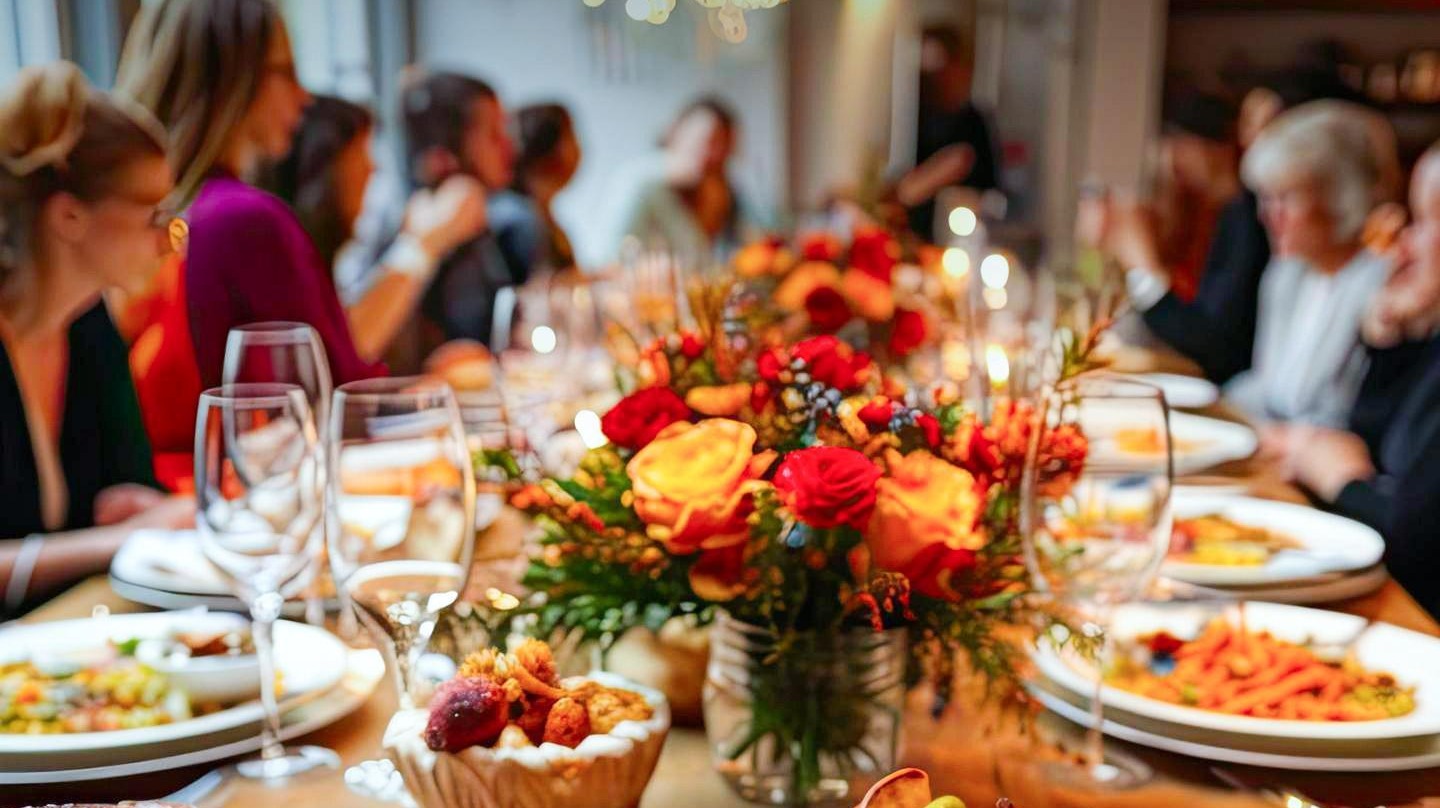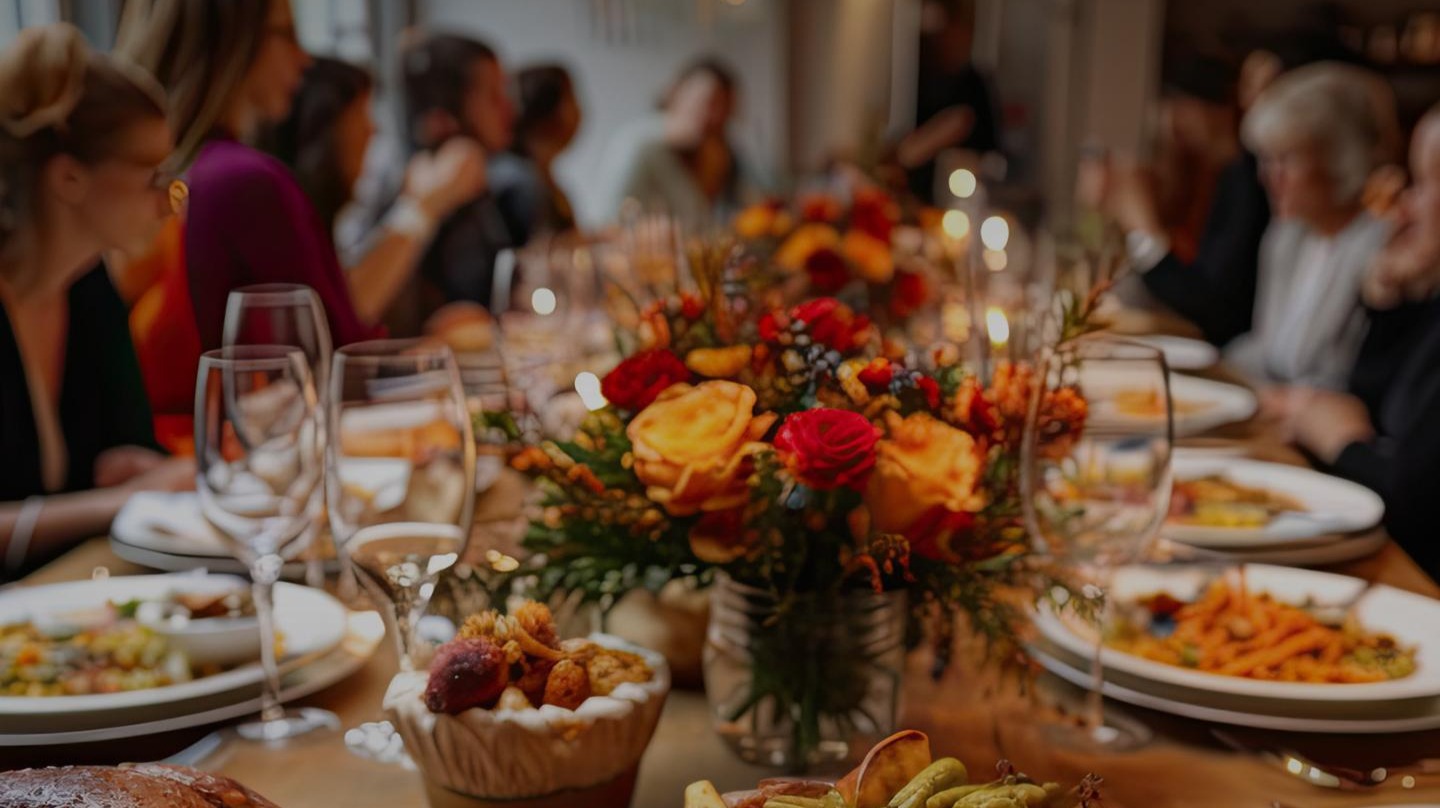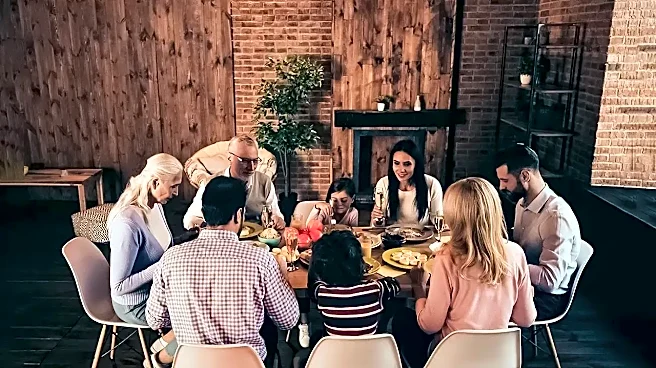

The Thanksgiving movie argument is a classic scene: a family gathers, the turkey is carved, and simmering tensions boil over. But the fight is never just about politics or a dry bird. It’s about the ghosts of the past at the dinner table.
The Pressure Cooker Holiday
Thanksgiving is the perfect cinematic stage for a family meltdown. It combines high expectations for warmth and gratitude with the logistical stress of travel and cooking. For many, holidays are one of the few times adult children and their parents are confined under one roof, disrupting routines and shrinking personal space. This environment naturally amplifies existing family dynamics. In movies, this pressure-cooker setting forces characters who have built separate lives to revert to old, ingrained roles: the responsible older sibling, the rebellious black sheep, the peacemaker. The conflict we see erupt over the dinner table is rarely the real conflict; it’s just the flimsy excuse for years of unspoken issues to finally come to light.
The Ghosts at the Table
The real engine of these cinematic showdowns is what psychologists call family systems theory. This theory views the family as a single, interconnected emotional unit. The actions, anxieties, and even the secrets of one member ripple out and affect everyone. Family secrets, in particular, act like blockages in communication, creating division and distortion. It isn't the content of the secret that matters as much as the fact of its existence. This 'emotional inheritance'—unspoken traumas, affairs, resentments, or financial troubles—is passed down through generations, shaping relationships in ways family members may not consciously understand. The person who finally explodes isn't just angry about a passive-aggressive comment; they are often voicing the collective, unspoken pain of the entire system.
Case Study: 'Home for the Holidays'
Jodie Foster’s 1995 film 'Home for the Holidays' is a masterclass in this dynamic. When Claudia Larson (Holly Hunter) returns home after losing her job and learning her daughter is spending the holiday with a boyfriend, she walks into a storm of pre-existing tensions. Her family is a collection of familiar types: the overbearing mother, the goofy father, the conservative sister, and the chaotic gay brother, Tommy (Robert Downey Jr.), who holds the family's secrets. The arguments aren't just arguments; they are performances of long-held roles. The tension between sisters Claudia and Joanne is a battle over who escaped the family's dysfunction and who remained trapped. Aunt Glady’s dinner-table confession of a long-ago kiss with her brother-in-law isn't just a quirky detail; it’s a spoken secret that validates all the other unspoken ones lingering in the air. The film shows that family loyalty is often an unspoken demand for silence.
Modern Meltdowns: 'The Humans'
The trope is just as potent in modern cinema. Stephen Karam’s 2021 film 'The Humans,' adapted from his Tony-winning play, is a starker, more claustrophobic take. The Blake family gathers in a rundown Manhattan apartment for Thanksgiving, and the entire film feels haunted by what isn't being said. The father, Erik, is weighed down by a secret affair and job loss that has financial consequences for the whole family. The mother, Deirdre, makes passive-aggressive remarks to her lesbian daughter, Aimee. The family's anxieties over money, health, and faith manifest as quiet resentments and awkward conversations. The film uses the setting itself—a dark, creaky apartment near Ground Zero—as a metaphor for the family’s decaying foundation and buried trauma, proving that sometimes the most powerful arguments are the ones whispered between the lines.