




The Original: 'O Fenômeno'
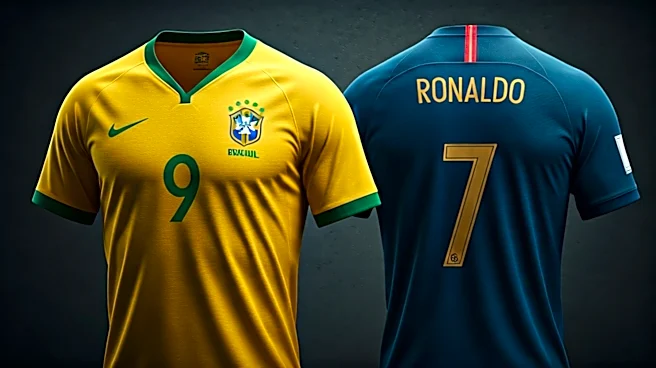
Before the meticulously sculpted physique and the global CR7 brand, there was just Ronaldo. Ronaldo Luís Nazário de Lima, or 'R9' as he's retroactively known, was less an athlete and more a force of nature. In the late '90s, he was soccer's answer to
a freight train with the footwork of a ballet dancer. Playing as a pure No. 9—a central striker whose only job is to score goals—he was devastating. His game was built on explosive acceleration, a deceptive step-over, and a thunderous finish. At the 1998 FIFA World Cup, a 21-year-old R9 carried Brazil to the final, only to suffer a mysterious convulsive fit hours before the match, leading to a ghost-like performance in a loss to France. It was a tragedy on a global stage, a story of what could have been.
Redemption and World Cup Glory
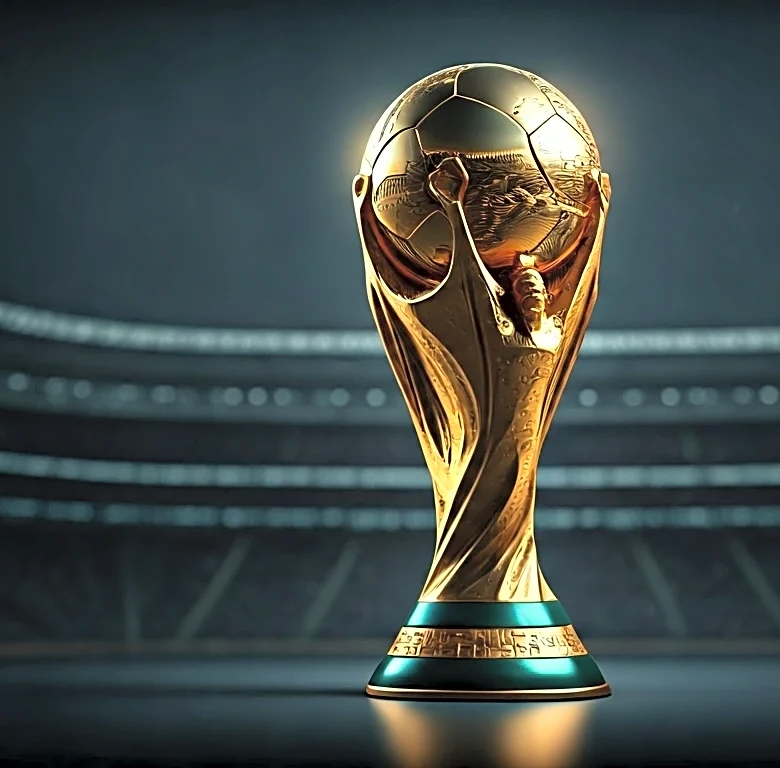
But R9’s story didn't end there. After two career-threatening knee injuries that would have finished most players, he returned for the 2002 World Cup with a famously questionable haircut and a singular focus. This was his redemption arc. He was no longer the same explosive player, but a smarter, more clinical poacher. He scored eight goals, including two in the final against Germany, to win the Golden Boot and deliver Brazil its fifth World Cup trophy. His legacy was cemented: a peerless talent who overcame immense adversity to conquer the world. For fans of that era, Ronaldo was the ultimate World Cup hero, a player defined by breathtaking peaks and a triumphant comeback.
Enter CR7: The Relentless Machine
Just as R9’s career was winding down, another Ronaldo emerged. Cristiano Ronaldo, or 'CR7', was a different beast entirely. He started as a flashy, unpredictable winger—a classic No. 7—for Portugal at the 2006 World Cup, the same tournament that served as R9's last dance. But while R9’s game was about raw, God-given talent, CR7’s was about relentless, almost scientific, self-improvement. He transformed his body into a specimen of peak athletic conditioning and evolved his game from tricky step-overs to an all-encompassing aerial threat, long-range shooter, and penalty-box predator. He wasn't just a player; he was a CEO of his own physical and professional dominance.
A Different Kind of Legacy
Cristiano Ronaldo’s World Cup story is one of incredible longevity and frustrating near-misses. He is the only male player to score in five different World Cups (2006, 2010, 2014, 2018, 2022), a testament to his unparalleled consistency and discipline. Yet, unlike R9, he has never lifted the ultimate prize, with his best finish being a semi-final appearance in his 2006 debut. His World Cup narrative isn't about a single, glorious campaign but about a sustained, two-decade-long assault on history. While R9’s name is synonymous with the 2002 trophy, CR7’s is linked to an individual pursuit of greatness that transcended team success on the biggest stage. He changed what a No. 7 could be, from a supporting winger to the team's primary goal-scoring fulcrum.