






First, What Is America 250?
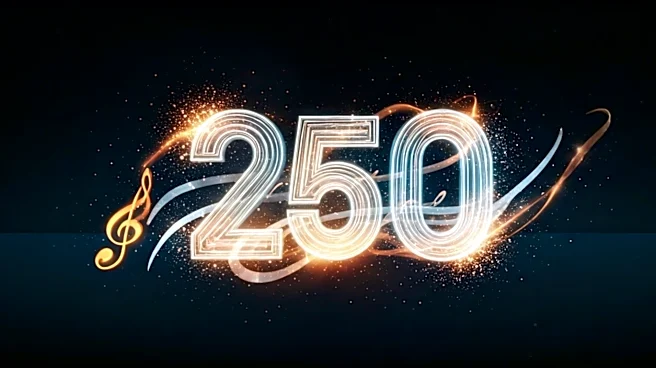
Before we get to the conspiracy boards and subreddit threads, let's cover the basics. America 250 is the official, multi-year initiative to commemorate the semiquincentennial—a fancy word for a 250th anniversary—of the United States. Established by Congress,
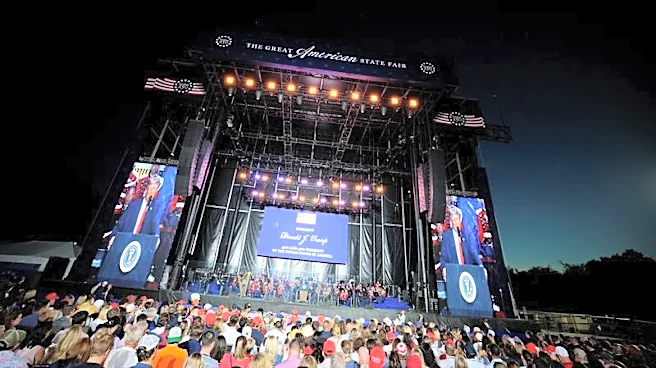
the effort aims to engage all Americans through a wide array of programs, from educational initiatives and community service projects to massive public events. Think of it as the Bicentennial of 1976, but updated for the 21st century. The official nonpartisan commission is working with partners on events like nationwide block parties and volunteer drives. Separately, a White House task force called Freedom 250 is also planning major events like a Great American State Fair on the National Mall. With major brands like Coca-Cola and Jeep already launching huge marketing campaigns, the celebration is designed to be an unmissable cultural moment.
A New National Pastime: Trailer Forensics
In modern pop culture, trailers are more than just ads; they are events in themselves. Fan communities for franchises like Marvel, Star Wars, or even Taylor Swift albums have perfected the art of the trailer breakdown. They dissect every frame, analyze every shadow, and debate the significance of a single line of dialogue. This practice is fueled by creators who deliberately plant “Easter eggs”—hidden references, inside jokes, or clues about future plots—for dedicated fans to find. It transforms marketing into a game, rewarding the most observant and dedicated viewers with a sense of discovery and being 'in on the secret'. This digital sleuthing creates a powerful bond between the audience and the content, generating enormous hype and endless online conversation long before the final product is even released.
Where History Meets Hype
So what happens when you take a solemn national commemoration and filter it through the high-energy lens of modern fan culture? You get a fascinating collision of worlds. The trailers and promotional videos for America 250 won't just be seen as announcements; they'll be treated as texts to be decoded. Internet sleuths, who are accustomed to hunting for clues in fictional universes, will apply the same skills to the narrative of American history. Every choice in these videos—from the historical figures shown to the specific locations highlighted—will be scrutinized for its deeper meaning. Is that an obscure battle being referenced in the background? Is a particular document shown on screen a nod to a controversial part of the nation’s past? The act of pausing, rewinding, and analyzing becomes a new, slightly obsessive form of civic engagement.
What Will They Be Hunting For?
The Easter eggs in an America 250 trailer won't be alien symbols or hints of a superhero crossover. Instead, they'll likely be grounded in history, politics, and culture. Sleuths will be on the lookout for hidden symbols in new logos, subtle nods to underrepresented figures in American history, or coded messages about the commemoration's core themes of unity and resilience. They'll cross-reference the visuals with historical archives, looking for intentional inaccuracies that might serve as a commentary. Given the polarized political climate, every choice will be interpreted as a statement. Who is centered in the narrative? Whose stories are left out? In this context, an Easter egg could be a powerful tool for shaping the conversation about what America's 250th birthday truly represents.