


The Answer: The Higher Rise
Let’s cut to the chase: the single most effective change you can make is embracing a higher trouser rise. For the better part of two decades, menswear was dominated by low- and mid-rise pants, designed to sit on the hips, often paired with an untucked
shirt. It was the default setting. The modern shift is a return to trousers that sit at your natural waist—the area around your navel. This isn’t about squeezing into your grandfather’s slacks. It’s a deliberate adjustment in proportion that fundamentally changes how your clothes fit and feel. Think of it as moving the visual midpoint of your body upward, away from your hips and toward your true waistline. This single change provides a new foundation upon which the rest of your outfit is built.
Why It Instantly Modernizes Your Look
The power of the higher rise lies in its ability to manipulate proportions for a more flattering effect. By sitting higher on your torso, these trousers create an optical illusion of longer legs. This lends an elegance and intentionality to your silhouette that a low-slung waist simply can’t achieve. Furthermore, the higher rise is the perfect partner for one of the most significant micro-trends in menswear: tucking in your shirt. Whether it’s a simple t-shirt, a knit polo, or a casual button-down, a clean tuck into a high-waisted pant looks considered and sharp. It defines the waist and cleans up the visual clutter of an untucked shirt bunching up. The look nods to classic, confident tailoring from style icons of the past—think Paul Newman or Alain Delon—but feels entirely fresh when paired with contemporary pieces like clean sneakers or a modern chore coat.
How to Wear It Without Looking Dated
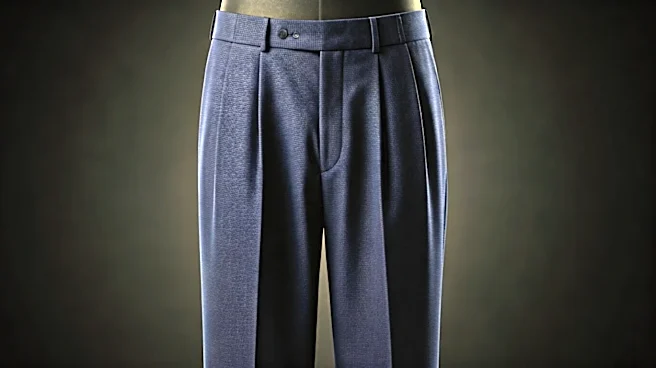
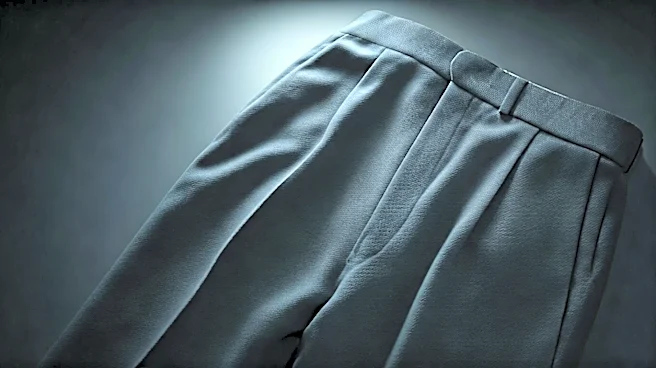
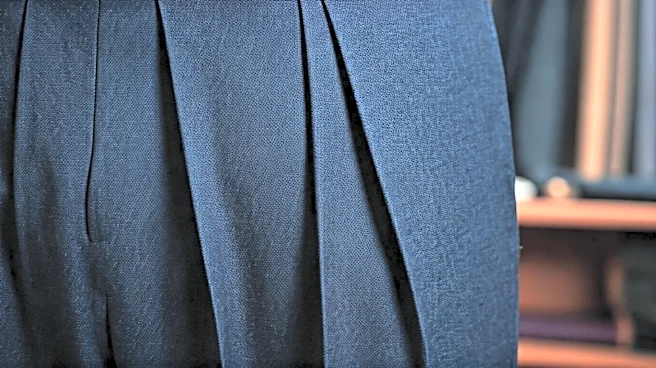
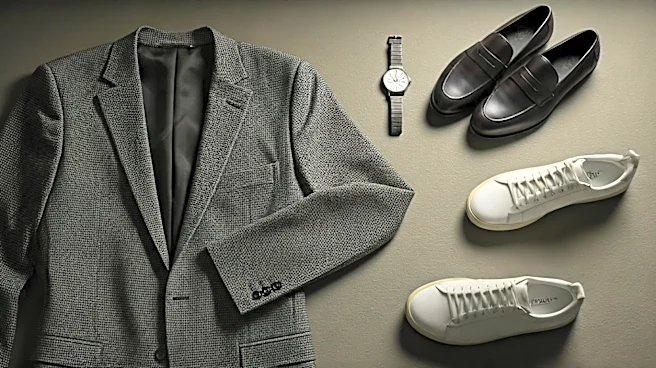
Adopting the high rise is less about a specific garment and more about a styling mindset. The first and most important rule is to embrace the tuck. Leaving a shirt untucked over high-rise pants defeats the purpose, creating a frumpy, short-torso effect. A neatly tucked shirt is non-negotiable. Next, consider the fit of the trouser itself. The most current iterations often feature a straight or relaxed leg, sometimes with a gentle taper toward the ankle. Avoid anything skin-tight. Pleats, once a menswear taboo, are also back in a big way and pair exceptionally well with a higher rise, adding a bit of drape and volume. For footwear, the slightly cropped length that often accompanies these trousers is a great opportunity to show off your shoe game. Clean white sneakers, classic loafers, or a pair of Chelsea boots all ground the look perfectly. Finally, decide on a belt. A handsome leather belt can anchor the outfit, but many modern high-rise trousers come with side-adjusters, allowing you to go beltless for an even cleaner, more streamlined aesthetic.
Finding Your Fit and Getting Started
The term “high rise” can be intimidating, conjuring images of pants pulled up to your chest. In reality, the sweet spot for most men is simply a rise that sits at or just above the belly button. You don't need to go full 1940s Hollywood. Even an inch or two higher than your usual mid-rise jeans can make a world of difference. When shopping, look for descriptions like “high rise,” “relaxed taper,” or “pleated trouser.” Brands across the price spectrum are offering their take on the silhouette. J.Crew’s “Giant-Fit” chinos offer an accessible entry point, while labels like Alex Mill, Todd Snyder, and Studio Nicholson have perfected the modern, higher-waisted cut. The best approach is to try on a few different styles. Go to a store and see how they feel. Pay attention to how the trouser changes your posture and the line of your leg. It may feel different at first, but once you see the effect in the mirror, you’ll understand the subtle power of this simple upgrade.