


More Than Just a 'Whale Tail'
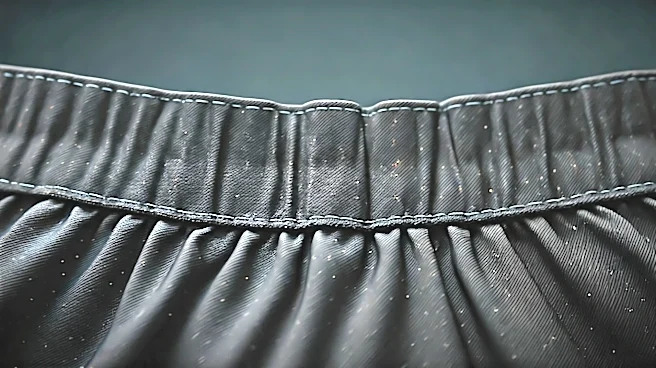
Let's get one thing straight: this isn't just the men's version of the Y2K 'whale tail.' While the visual cue is similar—a deliberate peek of underwear above the trouser line—the context at the recent Spring/Summer 2027 shows in Paris felt different.
At Auralee, creative director Ryota Iwai used vibrant, colorful waistbands peeking from under cropped jackets to inject joy and break up monochrome looks. This wasn't a lazy throwback; it was an intentional styling choice. The trend is less about blatant provocation and more about a playful layering of textures and colors, a subtle nod to a relaxed, confident masculinity. It’s a detail that feels both casual and considered, transforming the area between shirt and pants into a new focal point for design.
The Cycle of Street to Runway
The exposed waistband has a rich, layered history. It bubbled up from 90s hip-hop and skate culture, a street-level statement of youthful rebellion that was quickly co-opted by high-impact ad campaigns, most famously featuring Mark Wahlberg for Calvin Klein. It became a ubiquitous symbol of a certain kind of cool before being dismissed as a fashion faux pas. Its reappearance on the high-fashion runways of Paris signifies the completion of a classic trend cycle. Designers are now re-contextualizing it, stripping away the pastiche and integrating it into a more refined, contemporary wardrobe. The current iteration feels less about a specific brand logo and more about the gesture itself—a casual, almost accidental flash that suggests ease and a disregard for stiff formality. It’s a trend that has traveled from the street to the runway and is now being styled in a way that’s ready to be adopted back by the mainstream, albeit with a more sophisticated filter.
A New Definition of Male Allure
For decades, mainstream menswear has revolved around concealing and structuring the male form, from sharp power suits to the rigid lines of workwear. The decision to lower the waistline and expose a layer of intimacy, however small, is a significant shift. It aligns with a broader movement in menswear towards what some have called a 'softening' of silhouettes and a greater fluidity in style. This isn’t about a return to the hyper-muscular 'dandy' corsetry of the 19th century, but rather a move toward vulnerability and comfort. It suggests a man who is confident enough not to rely on the armor of traditional tailoring. Paired with the trend of looser, wider-leg pants that prioritize airflow and movement, the exposed waistband is part of a larger conversation about comfort, body positivity, and a more relaxed and self-assured approach to masculinity in fashion.
Why It's More Than Just Underwear
Ultimately, the debate over a few inches of exposed elastic matters because it’s a perfect microcosm of how fashion evolves. It shows how style absorbs and reinterprets cultural moments, from rebellious youth subcultures to mainstream pop iconography. It reflects changing attitudes towards the male body, moving from rigid ideals to a more relaxed and expressive state. And it highlights the cyclical, often ironic, relationship between high fashion and everyday life. What was once a rebellious statement, then a perceived sign of sloppiness, is now presented as a deliberate, thoughtful element of high design. The conversation around the waistband is a conversation about who gets to set trends, what 'good taste' even means, and how the clothes we wear send signals about our place in the world.