


The Blueprint: Forged in Fantasy
First, let's define our hero. The 1930s, the so-called Golden Age of Hollywood, offered a potent escape from the stark realities of the Great Depression. On screen, stars like Jean Harlow, Marlene Dietrich, and Greta Garbo were living goddesses. Their
wardrobe, crafted by legendary studio designers like Gilbert Adrian, was their armor. The defining look was one of fluid, sinuous elegance. Think of bias-cut gowns that clung to and moved with the body, turning silk and satin into liquid light. It featured soft but structured shoulders, long and lean silhouettes, and a sense of otherworldly perfection. This wasn't clothing for picking up groceries; it was clothing as an event, an aspirational dream broadcast from the silver screen to a world starved for beauty.
Threat #1: Wartime Practicality
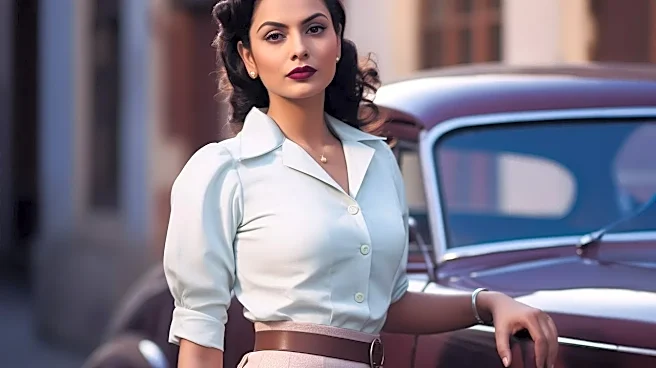
The first challenge to this decadent dream was a global reality check: World War II. The 1940s brought rationing, austerity, and a new focus on utility. Fashion became practical, defined by squared-off shoulders, nipped-in waists, and knee-length A-line skirts—silhouettes often influenced by military uniforms. Fabric was scarce, and glamour was seen as unpatriotic. The flowing, fabric-heavy gowns of the 30s were a non-starter. This new look prioritized function and durability, the complete opposite of Hollywood’s extravagant fantasy. Glamour didn't die, but it was forced into hibernation, seemingly replaced by a more grounded, responsible aesthetic.
Threat #2: The 1960s Youthquake
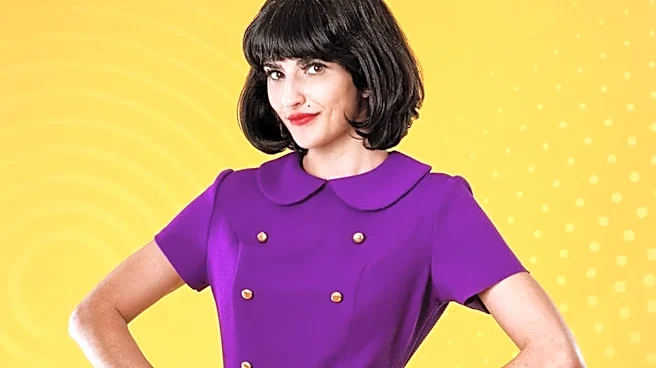
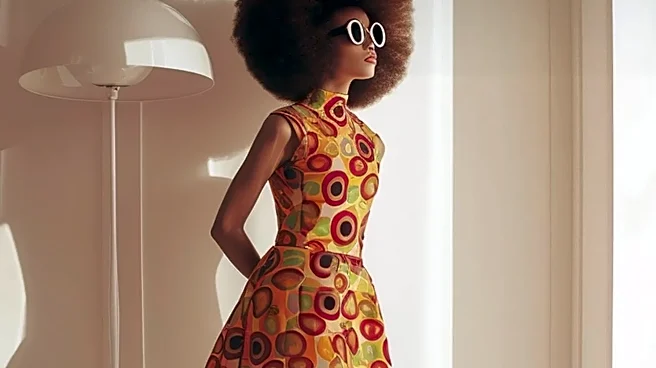
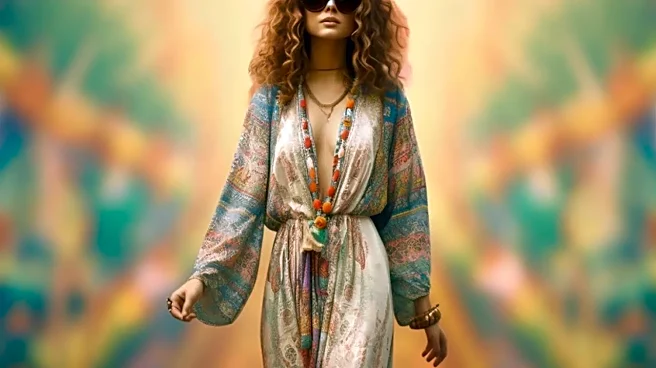
If the 40s were a pragmatic pivot, the 1960s were a full-blown rebellion. Dubbed the "Youthquake" by Vogue editor Diana Vreeland, this movement saw fashion inspiration shift from Parisian couture houses to the streets of London. Young designers like Mary Quant championed mini-skirts, A-line shapes, and bold, graphic prints. The ideal body was no longer the curvy goddess of the 30s but a thin, girlish figure. This was fashion for a new generation that rejected the establishment and its stuffy, formal rules. The meticulous, put-together glamour of their parents' Hollywood icons was the very thing they were rebelling against. Style became about provocation, pop art, and youthful energy—not timeless elegance.
Threat #3: 90s Grunge and Minimalism
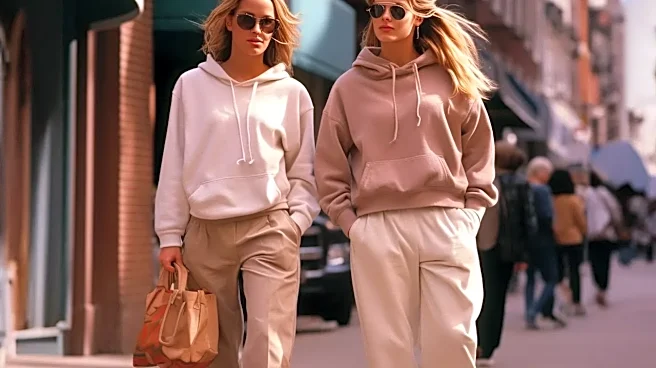
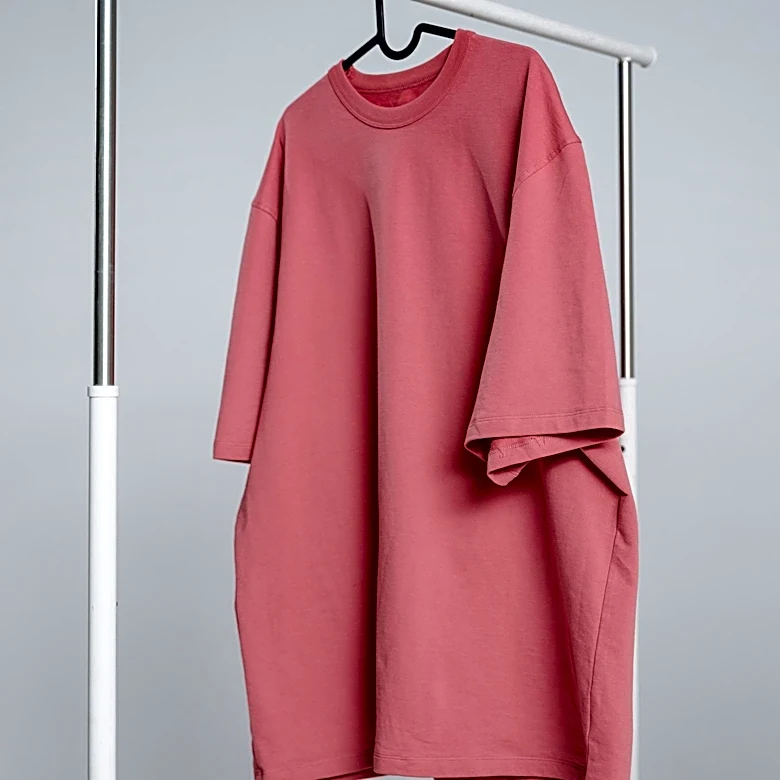
The final, and perhaps most potent, threat came from the 1990s. This decade delivered a one-two punch of anti-glamour. First came grunge, an aesthetic born from Seattle's music scene that elevated thrift-store finds like ripped jeans, worn-out band tees, and flannel shirts. It was a deliberate rejection of materialism and polish. Then came minimalism, a chic and severe reaction against 80s excess. Designers like Calvin Klein and Helmut Lang championed clean lines, neutral colors, and unadorned simplicity. A simple slip dress was the height of fashion. Whether messy and rebellious or stark and intellectual, both dominant 90s trends agreed on one thing: the artifice of old-school glamour was dead.
How Glamour Survived It All
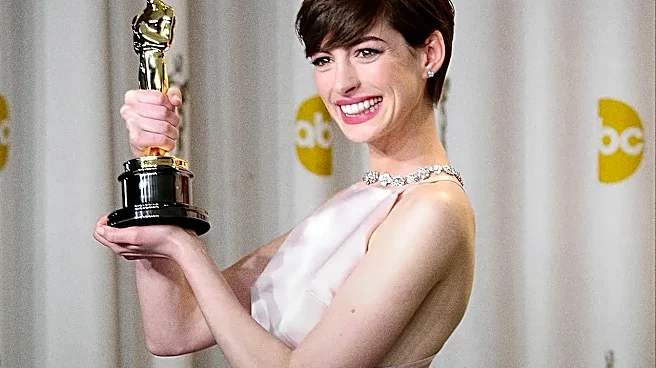
So how did it endure? The secret is that 1930s glamour never truly competed with everyday fashion. It existed on a different plane: the realm of fantasy. While street styles changed with the times, the red carpet remained a space for aspiration. After the austerity of the war, Christian Dior's opulent "New Look" in 1947 brought back the hourglass and a taste for luxury. After the rebellion of the 60s and 70s, the 80s went all-in on power glamour. And after 90s minimalism, the 2000s saw a resurgence of show-stopping red carpet gowns that openly referenced the Golden Age. Celebrities today still channel the look because it communicates something timeless: stardom, elegance, and the magic of the movies. It's the ultimate special-occasion armor.