





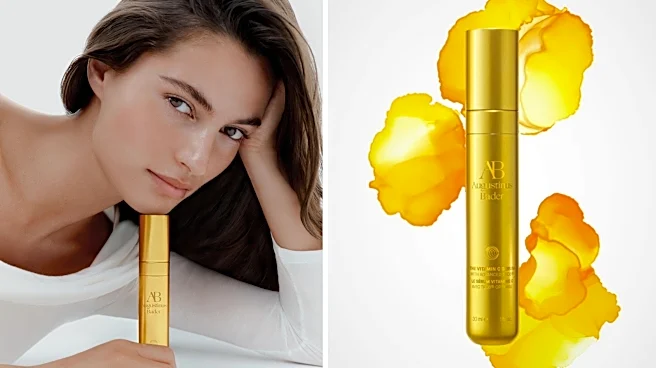
The Foundation of Glow: It Starts With Skincare
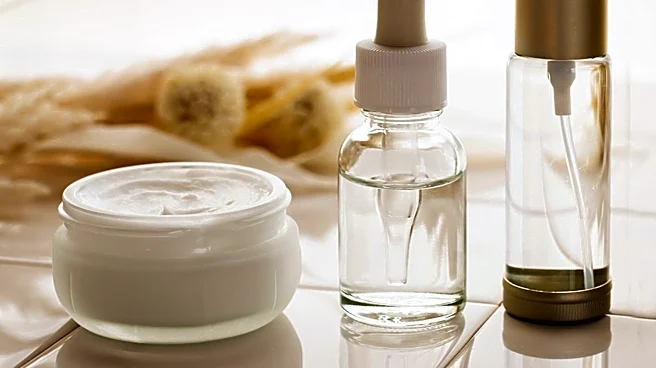
Before a single drop of makeup is applied, the real work begins. Makeup artists unanimously agree that you can't create a glow on unbalanced skin. The goal is hydration, not oiliness. A properly hydrated skin barrier reflects light evenly, creating a natural
luminosity. This means starting with a gentle cleanser that doesn't strip the skin, which can cause it to overproduce oil in panic. Follow this with lightweight, hydrating layers. Think serums with hyaluronic acid to plump the skin with water and a moisturizer that seals it in. Even oily skin types need hydration; in fact, dehydrated skin often produces more oil to compensate. The key is using water-based or gel moisturizers that provide moisture without adding excess grease.
Choose Your Base Products Wisely
The makeup itself is crucial, but it's less about a single magic product and more about the formula. For a luminous look, artists often reach for foundations and tinted moisturizers with a “dewy,” “radiant,” or “satin” finish. These products contain light-reflecting particles that create a subtle sheen. Matte foundations can be used, but they require adding the glow back in strategically. For those with oily skin, starting with a mattifying primer in the T-zone can control shine before you even apply foundation. The application matters, too. Many pros use a damp sponge or a buffing brush to press and melt the product into the skin, which creates a more natural, seamless finish than just painting it on. The mantra is often “less is more,” using concealer just where needed to let natural skin show through.
The Art of Strategic Placement
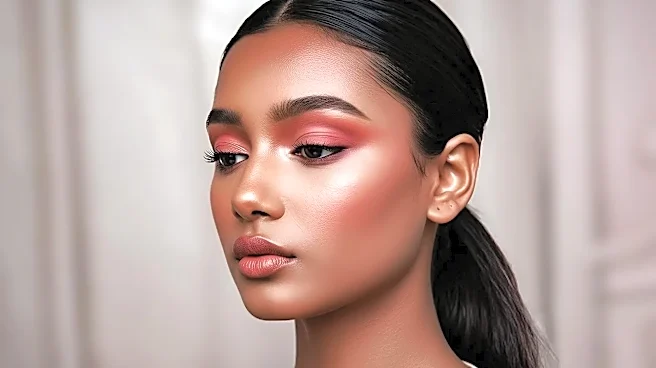
This is perhaps the most important secret to looking luminous, not oily. An oily finish is typically a widespread, uncontrolled shine, especially in the T-zone (forehead, nose, and chin). A luminous finish, however, is intentional and controlled. The glow is placed only on the high points of the face where light would naturally hit. Think the tops of the cheekbones, the bridge of the nose, the brow bone, and the cupid's bow. By keeping the center of the face, like the sides of the nose and the middle of the forehead, more satin or matte, you create a dimensional look that reads as a healthy glow rather than an oil slick. Cream and liquid highlighters are often preferred for this, as they melt into the skin for a more natural effect than some powder highlighters.
Powder Is Your Friend, Not Your Enemy
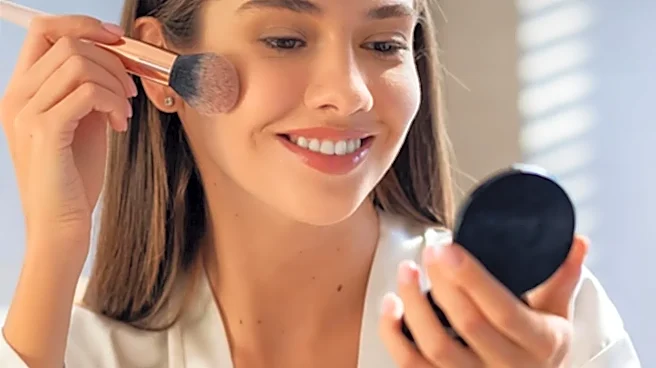
A fear of powder is common when chasing a dewy look, but makeup artists know it's an essential tool for controlling the narrative of your shine. The technique is called “pinpoint powdering” or strategic setting. Instead of dusting powder all over the face, which can completely mattify your hard work, you use a small, fluffy brush to apply a tiny amount of translucent powder only to the areas that tend to get greasy. This includes the T-zone, under the eyes to set concealer, and around the mouth and nose. This step locks your makeup in place and eliminates unwanted shine without killing the intentional glow you've placed on the high points of your face. Some modern finishing powders are also formulated with ingredients that blur pores and absorb oil without creating a heavy, cakey look.
Finishing Touches for a Lasting Sheen
Once the skin is perfected and strategically powdered, a few final steps can lock in the look. A setting spray designed for a dewy finish can meld all the layers of makeup together and give the skin a final boost of radiance. Unlike mattifying sprays, these often contain hydrating ingredients like glycerin that leave a fresh, moisturized appearance. And don't forget the lips. A touch of gloss or a satin-finish lipstick complements the dewy skin and completes the overall luminous effect. The final result is a complexion that looks purposefully polished and radiant, proving that the difference between glowing and greasy is all in the details.