





The Ideal of Democratic Design
The wrap skirt, and its famous cousin the wrap dress, was popularized in the 1970s by Diane von Furstenberg. Her vision was to create something liberating, comfortable, and glamorous that could work for many women without extensive tailoring. The core
idea is simple genius: a piece of fabric that wraps around the body, tying at the waist to create a custom fit. For decades, this design has been praised as the peak of democratic fashion. Proponents argue it’s universally flattering, accentuating the waist and draping gracefully over the hips, making it suitable for a wide variety of body shapes. This adjustability is its greatest strength, offering a level of comfort and flexibility that more structured garments can't match. Designers who champion the wrap skirt see it as a timeless solution—a single piece that embodies ease, elegance, and a certain freedom.
The Reality of Flaws and Malfunctions
On the other side of the aisle, many designers express frustration with the wrap skirt's practical shortcomings. The very quality that makes it seem so easy—the simple wrap-and-tie closure—is also its biggest vulnerability. A common complaint is the risk of a wardrobe malfunction; a gust of wind or a misplaced step can cause the skirt to fly open. Beyond that, the promise of a "universally flattering" fit is often challenged. Critics argue that unless the pattern is cut with precision and the fabric has the perfect weight and drape, a wrap skirt can be unforgiving. It can cling in the wrong places, create unflattering bulk at the tie, or hang awkwardly if the overlap is insufficient. This leads some designers to view it as a high-risk garment that often looks better in theory than in practice, requiring hidden snaps, buttons, or specific underpinnings to feel truly secure.
It's All in the Execution
The heart of the disagreement isn't really about the wrap skirt as a concept, but about the vast difference between a good one and a bad one. Senior designers on both sides would likely agree that execution is everything. The debate over its quality is, in essence, a debate over materials, construction, and pattern-making. A wrap skirt made from cheap, flimsy fabric will almost certainly fail, while one made from a high-quality jersey, structured cotton, or weighted silk with ample overlap and thoughtful tie placement can be a masterpiece. For example, using fabric that is too clingy can highlight areas the wearer might want to conceal. The critics aren’t necessarily against the wrap skirt itself, but against the low-quality versions that flood the market and fail to deliver on the original's promise. This is why a home sewist might struggle with a basic pattern, only to discover the problem was the pattern's shallow overlap or poor instructions, not the style itself.
Modern Solutions and Cultural Context
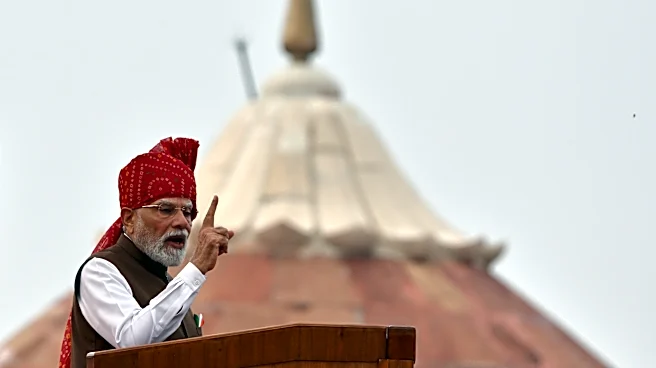
Contemporary designers are actively working to solve the wrap skirt's inherent problems, which implicitly acknowledges its flaws. We now see a rise in "faux" wrap skirts that offer the flattering diagonal line without the security risk. Others are integrating hidden button closures, snaps, or internal ties to ensure everything stays in place. There's also a deeper cultural conversation at play. Recently, a major brand faced criticism for a printed cotton wrap skirt described as inspired by Indian Bandhani, a traditional craft involving intricate tie-dyeing. Critics argued that a machine-printed imitation sold at a luxury price point without proper credit to its artisanal origins is another form of poor quality—a cultural one. This adds another layer to the debate: quality isn't just about fabric and fit, but also about authenticity and respect for the design's heritage.