
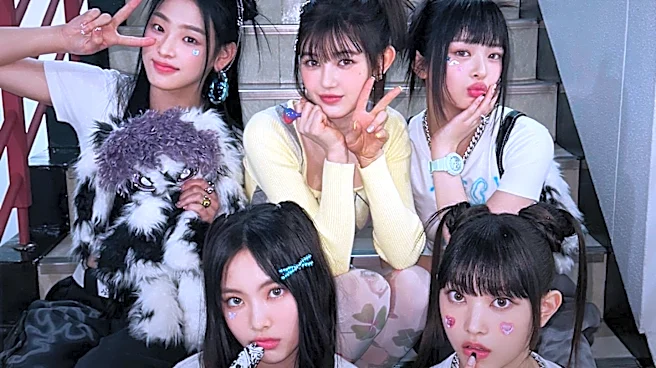
Gen Z: The Algorithmic Trend
For anyone under 25, a trend isn’t a seasonal declaration from a fashion magazine; it’s a flash of inspiration served up by an algorithm. The concept of “new” is defined by hyper-speed and hyper-specificity, where aesthetics like “cottagecore,” “weird
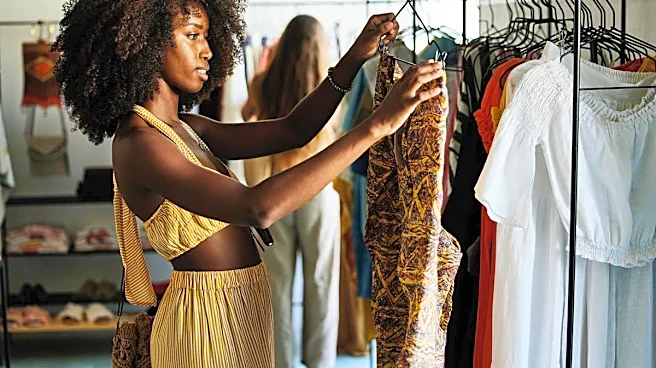
girl,” or “blokette” can bubble up, peak, and vanish in a matter of weeks. Discovery happens on platforms like TikTok, where a single viral video can launch a global micro-trend overnight. This generation doesn’t wait for approval from legacy fashion houses. They create and crown trends themselves, mixing thrifted items with fast fashion to replicate a look they saw just moments ago on their For You Page. Newness, for Gen Z, is a constant, collaborative, and often fleeting digital conversation, where a style is only as fresh as its last viral remix.
Millennials: The Curated Aesthetic
Millennials, born between roughly 1981 and 1996, came of age with the rise of the internet but before the reign of the algorithm. Their sense of what was new was shaped by a different kind of digital ecosystem: the fashion blog, Pinterest, and early Instagram. Trends were less about single items and more about achieving a cohesive, curated aesthetic. Think of the ubiquitous “millennial pink,” the carefully layered athleisure look, or the skinny-jean-and-ankle-boot uniform that dominated the 2010s. “New” wasn’t about a one-week micro-trend, but a season-long vibe you could build a whole Pinterest board around. It was about finding your aesthetic, buying key staple pieces, and projecting a polished, individual identity that was still very much in conversation with mainstream trends.
Gen X: The Subcultural Uniform
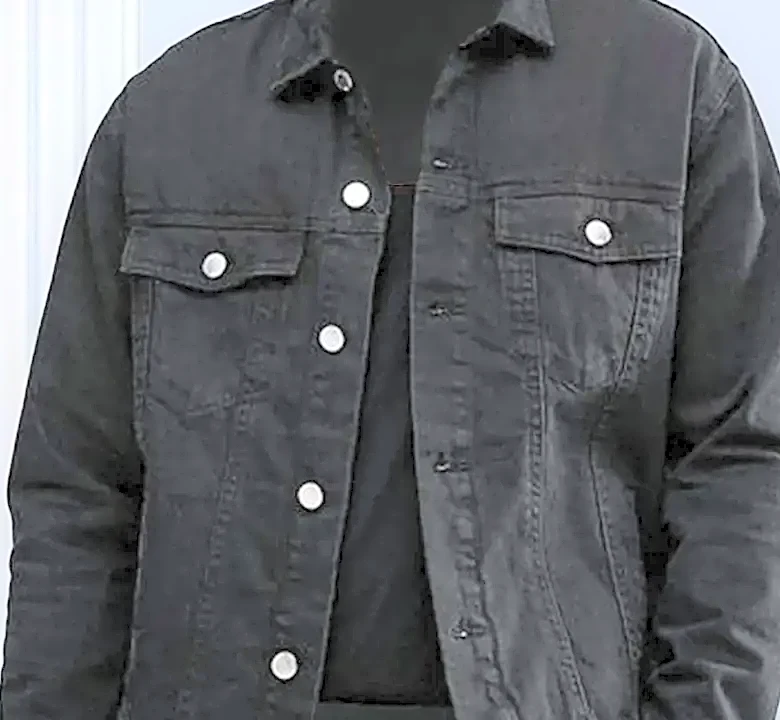
For Generation X, who grew up in the 80s and 90s, newness was synonymous with rebellion and identity. Before the internet democratized style, trends were born on the streets and in music scenes. The arrival of MTV was a watershed moment, beaming subcultures like punk, grunge, hip-hop, and new wave directly into living rooms. A new trend didn't come from a social media feed; it came from a music video or a zine. Adopting a look—be it ripped denim and plaid flannel, a leather jacket, or a preppy polo—was like picking a team. It signaled your taste in music and your rejection of mainstream boomer values. Newness was about finding your tribe and wearing the uniform.
Baby Boomers: The Top-Down Declaration
For much of the Baby Boomer generation, fashion was a far more formal and top-down affair. Before MTV and long before the internet, trends were dictated by a handful of powerful authorities: high-fashion designers in Paris and New York, the editors of magazines like Vogue, and the buyers for major department stores. What was “new” was what these institutions declared to be new each season. From the mod looks of the 60s to the bohemian styles of the 70s, trends emerged from specific cultural movements but were largely disseminated through this established media infrastructure. Newness wasn’t discovered through an algorithm or a subculture; it was presented, and the fashionable consumer adopted it. This created a slower, more unified trend cycle that the modern, fractured fashion landscape has left behind.