









A Tradition Steeped in Etiquette
To understand the glove debate, you have to understand Royal Ascot itself. More than just a horse race, it’s one of the most visible and formal events on the British social calendar, steeped in centuries of royal patronage and aristocratic tradition.
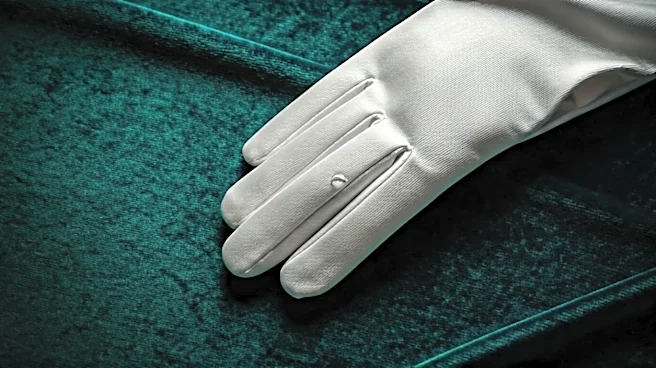
For generations, the dress code wasn't just a suggestion; it was a rigid set of rules defining respectability. Within this framework, gloves were essential. They signaled modesty, refinement, and a certain upper-crust adherence to propriety. A woman of standing simply did not show her bare hands in such a formal public setting. They were worn upon arrival and only removed for dining. The rule of thumb was simple: if you were outside, your gloves were on. This wasn't a fashion choice so much as a social requirement, an unspoken signal that you understood and belonged in that rarefied world.
The Smartphone Versus the Statement Glove
Enter the 21st century. The biggest disrupter to the formal glove isn’t a change in fashion sensibilities, but a 5-inch piece of glass in everyone’s pocket. The modern reality of any major event, even one as traditional as Ascot, is the desire to capture and share it. Trying to operate a smartphone touchscreen while wearing delicate silk, satin, or leather gloves is a frustrating, if not impossible, task. This practical friction has become a major driver in their decline. Attendees are faced with a constant cycle of putting them on, taking them off to snap a photo or send a text, and then trying to juggle a drink, a purse, and the gloves themselves. For many, the hassle outweighs the nostalgic charm, leading them to simply carry the gloves as a prop or forgo them entirely.
When Royals Bend the Rules
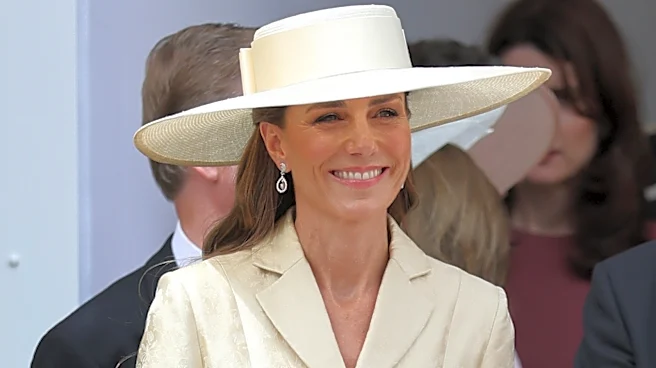
The style choices of the Royal Family are watched, analyzed, and emulated globally. And when it comes to gloves at Ascot, their recent behavior has sent a powerful message. While Queen Elizabeth II was rarely seen without her signature white gloves, the younger generation of royals has adopted a more relaxed approach. The Princess of Wales, Kate Middleton, often arrives carrying a pair of gloves that she never actually puts on, or she opts for none at all. Similarly, Meghan Markle and other royals have frequently attended bare-handed. This isn't a rebellion, but a subtle modernization of the code. By treating gloves as an optional, rather than mandatory, accessory, they grant implicit permission for others to do the same. Their actions signal a shift from rigid rule-following to a more personal and practical interpretation of formal dress.
The Counter-Movement: A Return to Romance
Just as gloves seem to be fading, a powerful counter-trend is pulling them back into the spotlight. Thanks to the 'Bridgerton effect' and the rise of aesthetics like 'coquette-core' and 'old money,' hyper-feminine and vintage-inspired dressing is booming. In this context, gloves are not a stuffy old rule but a powerful tool for expressing a romantic, highly curated personal style. An elegant pair of sheer or lace opera gloves can complete a look, adding a dose of drama and intentionality that a bare arm can’t match. For a new generation of fashion lovers, choosing to wear gloves is a deliberate and stylish statement. It’s a way to fully commit to a look, transforming an outfit from merely 'dressed up' into a true fashion moment. The act of wearing them is no longer about conforming, but about standing out.