
An Oasis from Sensory Overload
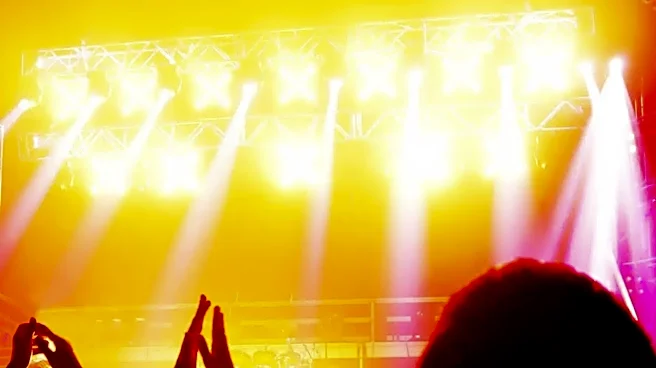
At its core, a festival is an exercise in sensory saturation. For days on end, attendees are immersed in loud music, packed crowds, and intense visual stimulation. While that energy is the main attraction,
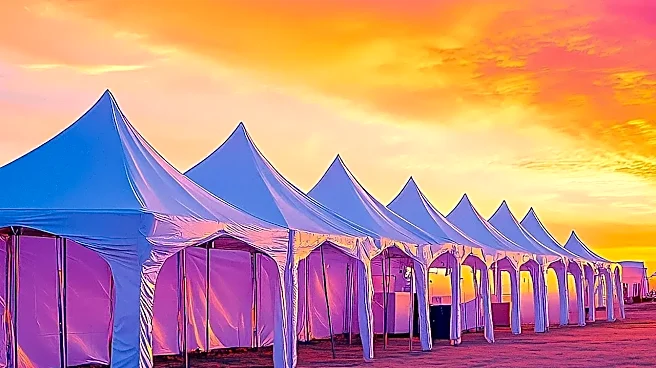
it can also lead to sensory overload, anxiety, and exhaustion. Quiet recovery zones are a direct response to this, offering a necessary sanctuary to decompress. Organizers are realizing that music festivals are a marathon, not a sprint. These spaces, often outfitted with comfortable seating, shaded areas, and readily available water, provide a place for people to recharge their physical and mental batteries. This allows them to re-engage with the festival on their own terms, ultimately leading to a safer and more enjoyable experience for everyone. It’s a move away from the old endurance-test model toward a more sustainable and supportive environment.
Making Space for Neurodiversity
One of the most significant drivers of this trend is a growing commitment to inclusivity, particularly for neurodivergent individuals. For people with autism, ADHD, PTSD, or anxiety, the constant high-stimulation environment of a festival can be completely overwhelming, making attendance impossible. Quiet zones, sometimes called sensory-friendly spaces, are a game-changer. These areas often provide tools like noise-canceling headphones, weighted blankets, and fidget toys to help individuals regulate their sensory systems. By creating these intentionally calm environments, festivals are opening their gates to a wider audience that was previously excluded. It signals a move toward celebrating diversity in all its forms, ensuring that everyone has the opportunity to participate in these cultural moments safely and comfortably.
The Sober Curious Revolution
The rise of quiet zones also runs parallel to the booming “sober curious” movement, especially among younger generations. A growing number of festival-goers are choosing to reduce their alcohol intake or abstain entirely, seeking a more present and mindful experience. Historically, festival culture has been heavily intertwined with drinking and substance use. Quiet zones and wellness areas offer an appealing alternative social space, free from the pressure to consume alcohol. Often, these areas feature non-alcoholic bars with mocktails and functional beverages, yoga sessions, or meditation workshops. This caters directly to a demographic that wants connection and celebration without the hangover, reflecting a broader cultural shift where wellness and social life are becoming increasingly intertwined.
From Niche Feature to Good Business
While rooted in wellness and inclusion, providing quiet zones is also a savvy business decision. Festival organizers have found that supporting attendee well-being has tangible benefits. When people feel safe and have a space to recover from fatigue or overstimulation, they are less likely to require medical attention and more likely to stay at the event longer. Furthermore, a positive and supportive experience builds loyalty. Attendees who feel cared for are more likely to return in subsequent years and recommend the festival to others. Some festivals are even finding sponsorship opportunities with health and wellness brands, turning these zones into revenue-generating assets. Ultimately, what began as a grassroots need for decompression has become an essential part of a modern, successful festival's infrastructure, proving that prioritizing people is also good for the bottom line.