


The Simple Math That Justifies a Splurge
The core of buying better is the 'cost-per-wear' formula: an item's price divided by the number of times you'll wear it. A $40 fast-fashion shirt worn three times before it looks dingy has a cost-per-wear of over $13. In contrast, a beautifully made $200
linen shirt worn 50 times over several summers has a cost-per-wear of just $4. This isn't about being cheap; it's about being strategic. Quiet luxury champions this mindset, prioritizing high-quality, timeless garments over disposable trends. By investing in durability and classic style, you lower the long-term cost and build a wardrobe with lasting value.
A Textile Deep Dive: Not All Cottons Are Equal
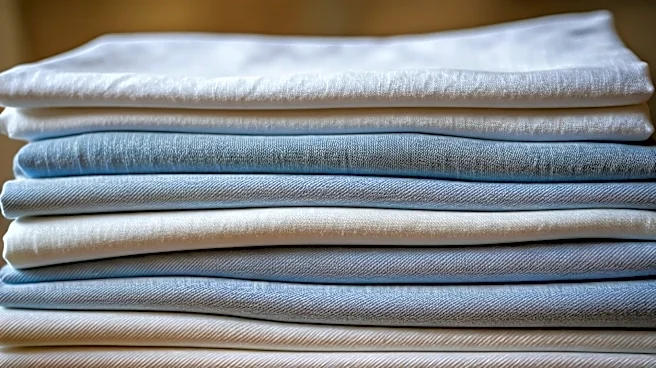
For summer whites, cotton is a go-to for its breathability and comfort. However, the quality varies dramatically. The secret is in the fiber length. Extra-long staple (ELS) cottons like Pima and Supima have longer, stronger fibers that create a softer, more durable, and less pilling-prone fabric. Supima is a trademarked, American-grown Pima cotton, guaranteeing 100% ELS fibers, which makes it a consistently reliable choice for quality. While Egyptian cotton has a luxurious reputation, the label can be misleading, as it sometimes refers to any cotton grown in Egypt, not just the premium ELS variety. For a crisp white shirt or tee that holds its shape, look for Supima or verified Pima cotton.
The Case for Linen and Its Modern Blends
Linen is the quintessential summer fabric, prized for its exceptional breathability and cooling properties. Its fibers are hollow, allowing air to circulate freely, and it wicks moisture away from the skin, drying quickly. The main drawback is its tendency to wrinkle. While some embrace the rumple as part of linen's charm, modern linen blends offer a practical compromise. Blending linen with cotton can soften the fabric and reduce creasing, while a touch of a fiber like Tencel (Lyocell) can add a beautiful drape and a smoother feel. These blends give you the breezy look of linen with enhanced performance.
The Quality Checklist Before You Buy
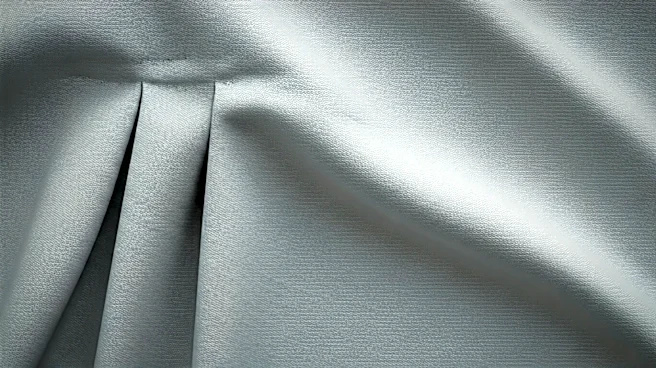
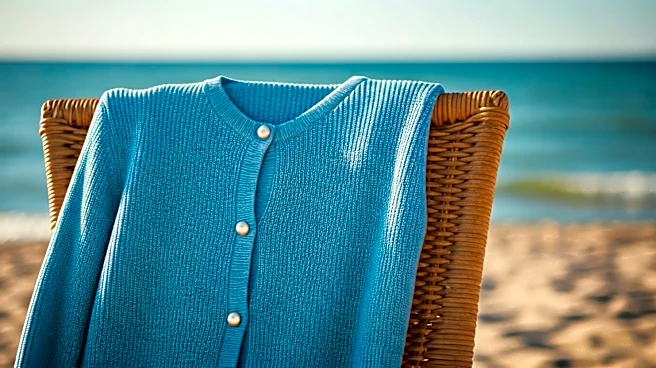
Beyond the fabric type, construction is what separates a garment that lasts from one that fails. Before you buy, become a detective. First, hold the fabric up to the light; unless it's intentionally sheer, a dense weave that blocks light is a sign of quality. Gently pull at the seams—if you see gaps or threads pulling apart, it's a red flag. Check the stitching; it should be tight and even, with no loose threads. High-quality garments often feature French or bound seams on the inside for a clean, durable finish. Also, look at the buttons. Are they made from substantial materials like mother-of-pearl instead of flimsy plastic, and are they sewn on securely? These details signal a piece built to last.
Protecting Your Investment: Keeping Whites White
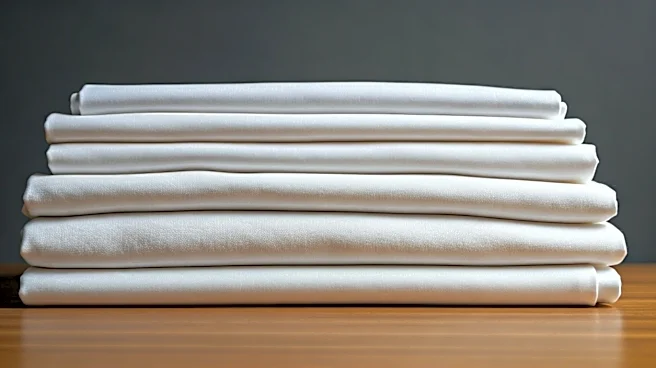
Even the highest-quality white garment needs proper care to stay brilliant. The number one rule is to wash whites separately to prevent dye transfer from colored items. Avoid using too much detergent or fabric softener, as buildup can attract dirt and cause a yellow or grayish tint. For a natural brightening boost, add a cup of distilled white vinegar to the wash cycle; it helps break down residue. When possible, air-dry white clothes in the sunlight, which acts as a natural bleaching agent. For long-term storage, use breathable cotton garment bags instead of plastic, which can trap moisture and cause yellowing.