





The Symphony of Stress
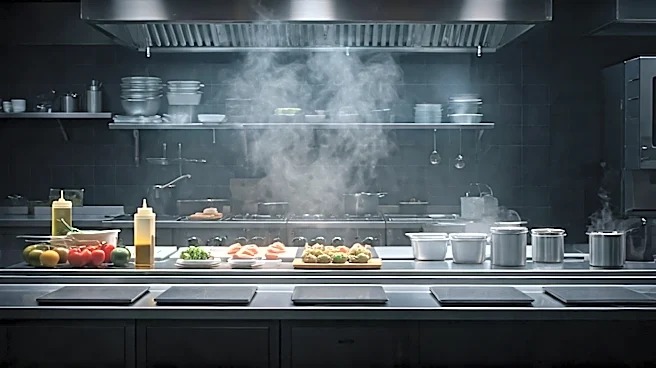
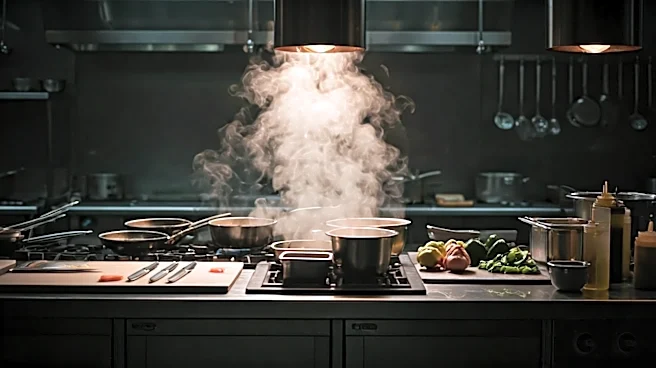
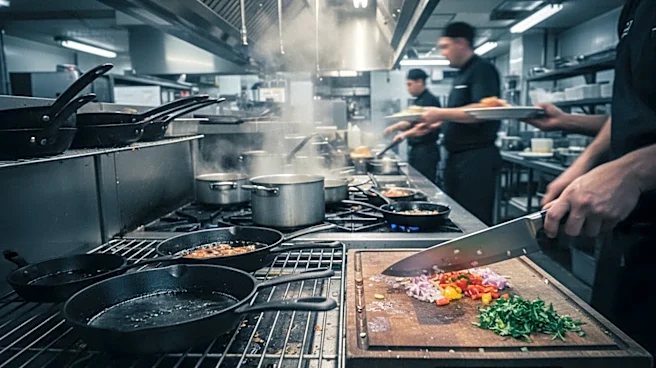
From its opening moments, 'The Bear' weaponizes chaos to show the unvarnished reality of restaurant life. The filmmaking itself—with its frantic quick cuts, claustrophobic close-ups, and overlapping, barked dialogue—is designed to induce anxiety. The soundscape
isn't just background noise; it's a cacophony of ticket printers, sizzling pans, and incessant timers that simulates the sensory overload of a real service rush. Unlike polished cooking shows that present a serene ballet, 'The Bear' shows the kitchen for what it often is: a high-pressure environment where every second counts and a single mistake can cause total collapse. This authenticity, praised by real-life chefs, strips away any romantic notion of the job, portraying it as a grueling, thankless, and intensely stressful profession.
Purpose in the Pressure Cooker
If the show only depicted stress, it would be unwatchable. Its genius lies in revealing the 'why' behind the madness. The characters aren’t chasing fame or fortune; they are pursuing excellence for its own sake. For Carmen “Carmy” Berzatto, it’s about honoring his late brother’s legacy and grappling with his own trauma through the disciplined art of cooking. For Sydney Adamu, it’s a chance to prove her talent and create something meaningful. For formerly aimless characters like Richie and Marcus, the kitchen provides a structure and a purpose they desperately lacked, transforming their lives through the dignity of service and the pursuit of a perfect dish. Their heroism isn't about saving the world; it’s about the quiet, relentless dedication to making something beautiful under immense pressure.
The Anti-Foodie Food Show
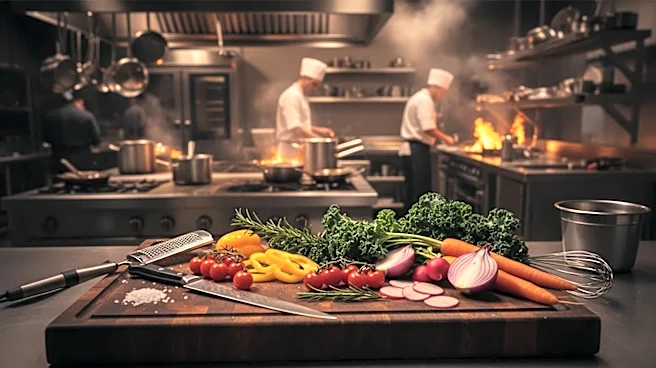
Most food television romanticizes the end result: the perfect plate, the happy diner, the aspirational lifestyle. 'The Bear' subverts this by focusing almost entirely on the brutal, messy process. It finds beauty not in the final product but in the shared struggle to achieve it. It’s a show about cleaning, prepping, fixing broken equipment, and managing volatile personalities. The phrase “Yes, Chef,” which has entered the popular lexicon, isn’t just jargon; it’s a symbol of the mutual respect and disciplined hierarchy required to function as a team. This focus on the grind over the glamour makes the moments of culinary triumph feel earned and profound, rather than pre-ordained. The show suggests that the real art isn’t just the food, but the resilience of the people who make it.
A Calling, Not a Career
Ultimately, 'The Bear' succeeds by framing professional cooking not as a job, but as a calling—a vocation that demands total commitment. It shows that while the environment can be toxic and the personal toll immense, there is a powerful camaraderie forged in the fire. The characters are bound together by a shared passion and a collective mission that transcends the chaos. They find meaning and a sense of family in the kitchen's ecosystem. The show argues that there is a deep nobility in service, in the act of feeding people and creating moments of joy, even when it comes at a great personal cost. It’s not glamorous, and it’s certainly not easy, but the show makes a powerful case that, for some, it’s the only thing that makes sense.