



Wool’s Enduring Reign as a Luxury Staple
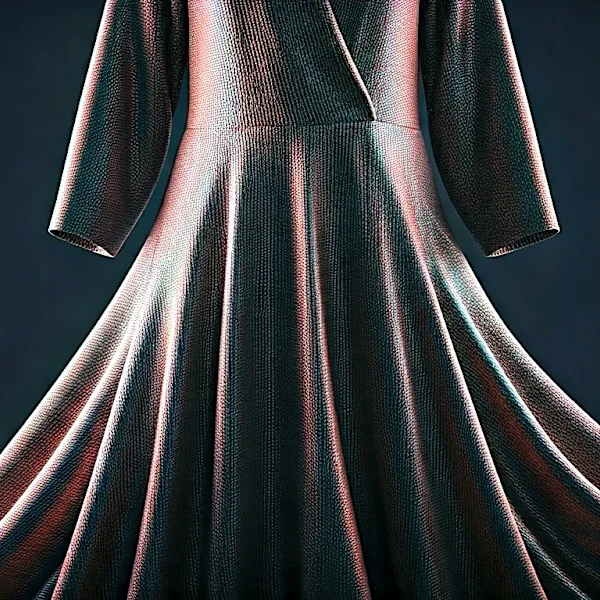
Let’s be clear: wool has earned its esteemed reputation. For centuries, it has been the backbone of high-quality apparel, prized for its warmth, breathability, and rich, complex texture. [9, 11] A well-made cashmere or merino wool sweater drapes softly
over the body, conveying a sense of comfort and timeless elegance. Wool is pliable, forgiving, and has a natural elasticity that feels organic and lived-in. [9] Its fibers absorb dye with a deep, heathered quality that synthetics often struggle to replicate. This connection to nature—the transformation from a sheep’s fleece to a beautiful garment—is a powerful story that has long defined our understanding of material luxury.
Not Your Grandfather’s Nylon
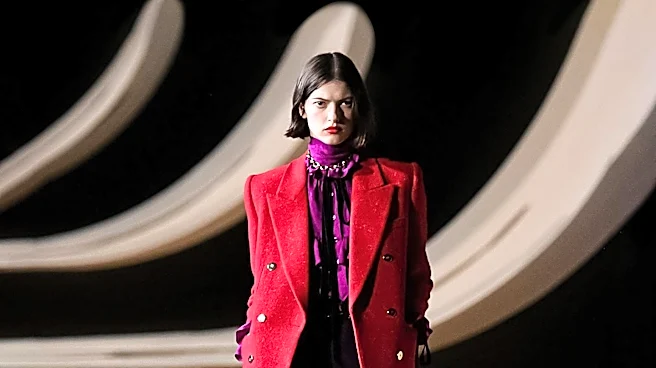
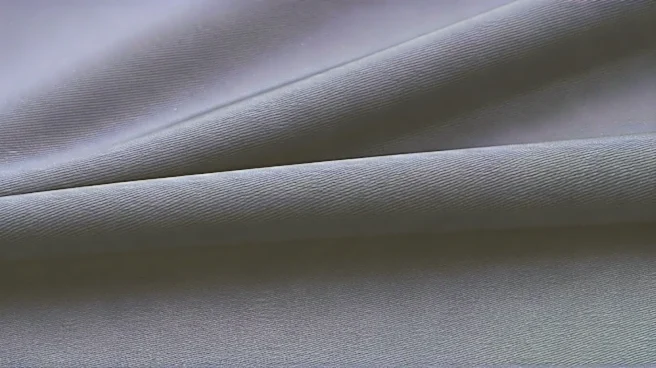
The word "nylon" might conjure images of flimsy 1970s windbreakers or functional stockings, but the material has undergone a radical transformation. The journey began in the 1980s when Miuccia Prada, bored with traditional bourgeois fashion, introduced industrial nylon to the runway. [3, 5, 6] This wasn’t just any nylon; it was a high-grade, technical fabric with a subtle sheen, impressive durability, and water resistance. [1, 18] Luxury houses like Prada, Balenciaga, and Moncler use specific high-performance nylons, such as Nylon 6 and PA66, that are engineered to be lightweight yet substantial. [1] These modern nylons offer a sleek, clean aesthetic and can be molded into shapes that were previously impossible, setting the stage for a new design language.
Why the Cut Is Everything
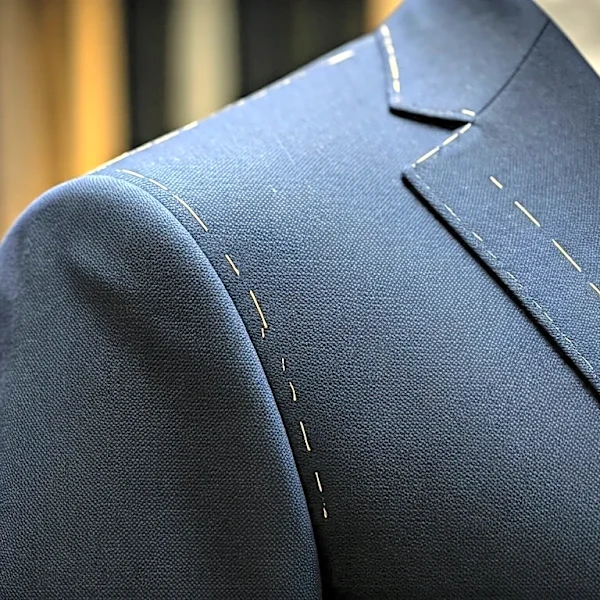
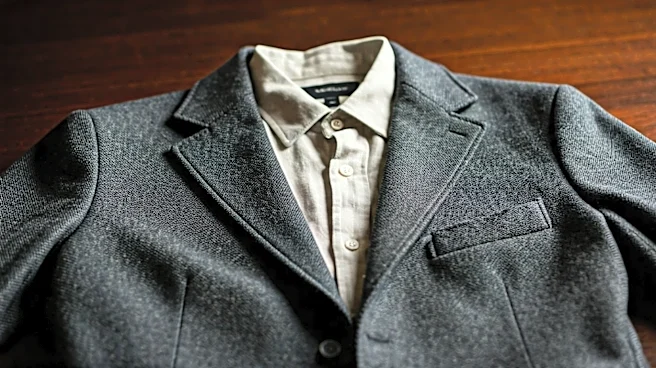
This brings us to the core of the argument: the cut. A fabric’s true potential is unlocked by tailoring, and different materials behave in dramatically different ways. [15, 21] Wool is defined by its drape; it falls, it softens, it envelops. It excels in garments that require a gentle, flowing silhouette. Nylon, on the other hand, excels at holding a rigid, architectural structure. [2] Think of a razor-sharp bomber jacket, a minimalist tote bag with clean lines, or a coat with a perfectly sculpted collar. A precise, minimalist cut in a high-tech nylon looks intentional, modern, and fiercely confident. [2] The fabric’s stiffness allows a designer to create clean planes and sharp edges that convey luxury through precision engineering rather than natural softness. [2, 22] That same sharp cut attempted in a soft wool would likely collapse, looking indecisive and ill-defined. The luxury here isn't just the material; it's the perfect marriage of fabric and form.
Redefining What Luxury Means Today
The ascent of nylon reflects a broader shift in what we consider luxurious. While heritage and natural origins still matter, modern luxury is equally about innovation, performance, and design intent. [1] A garment that combines a futuristic aesthetic with practical benefits—like being lightweight, durable, and weather-resistant—can feel more valuable in a contemporary wardrobe than a delicate item that requires constant care. [14] Brands have successfully rebranded nylon as a symbol of rebellion against old-world conventions and an embrace of forward-thinking design. [4] Furthermore, the rise of sustainable innovations like ECONYL®—a recycled nylon made from ocean and landfill waste—has given the material an ethical dimension, aligning it with the values of a new generation of luxury consumers. [4, 7, 8]