






The Enduring Appeal of the Figaro
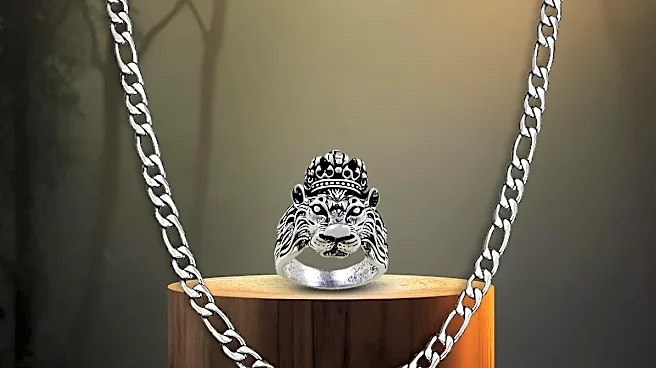
First, a quick refresher on what makes a Figaro a Figaro. Hailing from Italy, the chain is defined by its signature rhythmic pattern: typically, three short, circular links followed by a single elongated oval link. This sequence repeats, creating a design
that is more visually dynamic than a simple curb or cable chain, yet remains classically understated. Its name is believed to be inspired by the famous Italian operas of the 18th century, a nod to its rich cultural heritage. The design’s brilliance lies in its versatility. It can be worn alone as a statement piece or serve as the perfect carrier for a treasured pendant. The links are typically flattened, allowing the chain to lie comfortably against the skin. It’s this blend of Italian elegance, visual interest, and comfortable wear that has cemented the Figaro chain as a perennial favorite in jewelry boxes for both men and women.
Beyond the Obvious Quality Checks
When shopping for any gold or silver chain, most people know to check a few key things. Is it solid or hollow? Solid chains are denser, more durable, and hold their value better, while hollow chains offer a similar look for a lower price but are more susceptible to denting and damage. You might also check the quality of the clasp, ensuring it's robust and secure, or admire the chain's overall polish and shine. Another feature often highlighted by jewelers is 'diamond-cutting'. This process uses a diamond-tipped tool to cut small, precise facets into the surface of the links, creating extra surfaces to catch and reflect light for a brilliant sparkle. While a beautifully executed diamond-cut finish is certainly a sign of quality, it is a surface treatment. It enhances the chain's appearance, but it doesn't speak to its core structural integrity. These are all valid considerations, but they are not the ultimate test of craftsmanship.
The Hidden Detail: The Solder Joint
The true, hidden hallmark of a masterfully crafted Figaro chain lies in a detail you might need a magnifying glass to fully appreciate: the solder joint. Every link in a chain must be closed. This is done by soldering, a process where a jeweler uses a torch and a small amount of metal alloy to permanently seal the gap in the link. In a mass-produced, lower-quality chain, these joints can be sloppy. You might see tiny bumps, rough patches, discoloration, or even minuscule gaps where the solder didn't fully flow. A high-end Figaro chain, by contrast, features nearly invisible solder joints. Each link is seamlessly and smoothly closed, a testament to the artisan's skill and patience. The artisan has taken the time to not only secure the link but to file and polish the connection until it is indistinguishable from the rest of the link. Finding a clean, strong, and imperceptible solder joint is finding evidence of time, expertise, and a commitment to perfection.
Why This Tiny Detail Is a Big Deal
A perfect solder joint isn't just about aesthetics; it's about integrity. A poorly soldered link is a weak link, the most likely point of failure on the entire chain. It's where the chain can snag on clothing or, under stress, break entirely. A chain with clean, solid joints is fundamentally stronger and more durable, ready for a lifetime of daily wear. Furthermore, this detail separates true artisanship from automated production. A machine can stamp out links and give them a flashy diamond-cut finish, but achieving a perfect, hand-finished solder point on every single link requires a human touch and an unwavering eye for detail. When you see that level of finishing, you know the maker cared about the piece as a whole, from its overall design down to its smallest, most foundational component. It’s a quiet promise of quality that outshines the most brilliant surface polish.