


Deconstructing the 'Clean Girl'
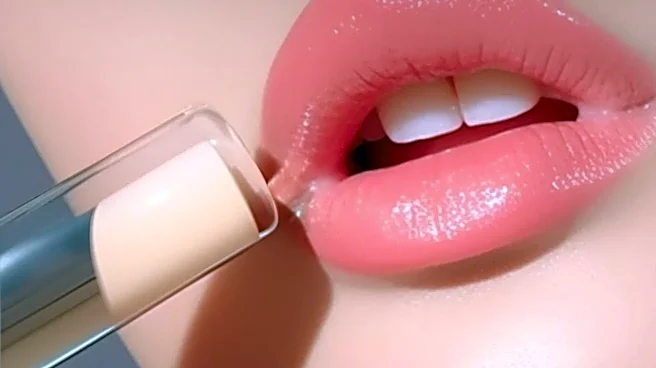
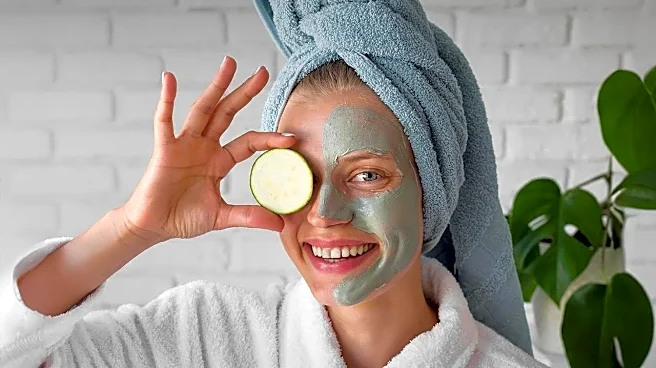
On the surface, the clean girl aesthetic is about achieving a polished, 'no-makeup' makeup look. Think glowing skin, lightly concealed blemishes, brushed-up soap brows, a touch of cream blush, and glossy lips. The hair is often slicked back into a neat
bun or low ponytail, free of any frizz or flyaways. Popularized on platforms like TikTok, it sells an image of effortless health and natural beauty. It's the makeup equivalent of a minimalist apartment with perfect natural light or a green juice in hand after a Pilates class. The goal isn't to look made-up, but to look like you're naturally perfect—healthy, hydrated, and well-rested.
The Illusion of Effortless
Here's the catch: achieving this 'effortless' look is anything but. The trend heavily favors those who already have clear, even-toned skin, a feature that is often the result of genetics, youth, or access to expensive dermatological treatments and high-end skincare. Critics point out that for anyone with acne, hyperpigmentation, or other common skin concerns, the light-coverage products central to the look—like skin tints and sheer concealers—don't provide adequate coverage, making the trend feel exclusionary. The aesthetic creates an unrealistic standard, suggesting that true beauty is something you are, not something you create, while conveniently ignoring the immense effort and financial investment required to maintain such a 'natural' canvas.
Minimalism as a Status Symbol
The clean girl look is the spiritual successor to the 'quiet luxury' trend. It’s a form of visual shorthand for a certain lifestyle. The very ability to pull it off suggests you have the time and resources for an extensive skincare routine, a healthy diet, and regular exercise. It subtly communicates wellness and wealth without the ostentation of a logo-heavy handbag. In a society increasingly focused on wellness as a virtue, looking 'clean'—fresh, healthy, and natural—has become a powerful status symbol. It aligns with a broader cultural shift that values experiences and self-care over overt material possessions, yet this version of self-care comes with its own hefty price tag, from a $70 face oil to a $500 facial.
A Modern (and Complicated) American Look
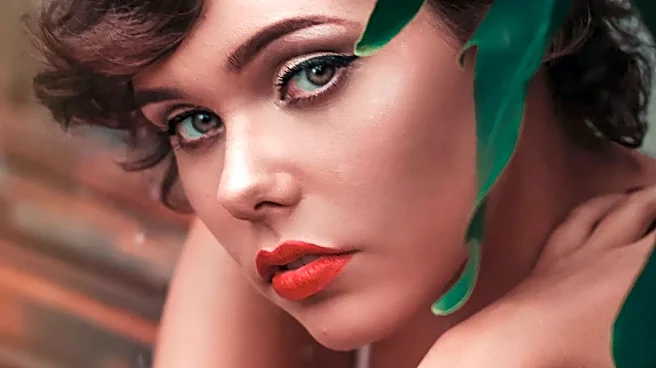
Throughout history, American makeup has mirrored the cultural mood. The heavily lined eyes of the 1920s flapper signaled rebellion, while the bold red lips of the 1940s represented patriotic resilience. The clean girl aesthetic defines our current era by reflecting its core anxieties and aspirations. It embodies the performance of authenticity in a digital world, where 'looking real' is the ultimate goal, even if it’s meticulously curated. It also highlights a tension between inclusivity and an enduring, narrow beauty standard that is often classist and lacks diversity. The trend may have started with makeup, but it has become a barometer for how we perceive health, wealth, and perfection in modern America.