

The Villain in the Mirror
The most terrifying monster is often the one that looks just like us. Psychological horror grounds its fear in human behavior, which is infinitely more unpredictable and chilling than any supernatural beast. These films argue that the greatest threats
come from people—their cruelty, their manipulations, and their capacity for evil. The villains aren't lurking in a crypt; they could be your neighbor, a charismatic stranger, or even a family member. Take a film like The Silence of the Lambs. Hannibal Lecter is terrifying not because he has supernatural powers, but because of his intellect and his chilling ability to get inside someone's head. There’s no magic spell to defeat him, only the horrifying realization that his brand of monstrosity is entirely human. This realism is what makes the fear stick with you long after the credits roll.
The Prison of the Mind
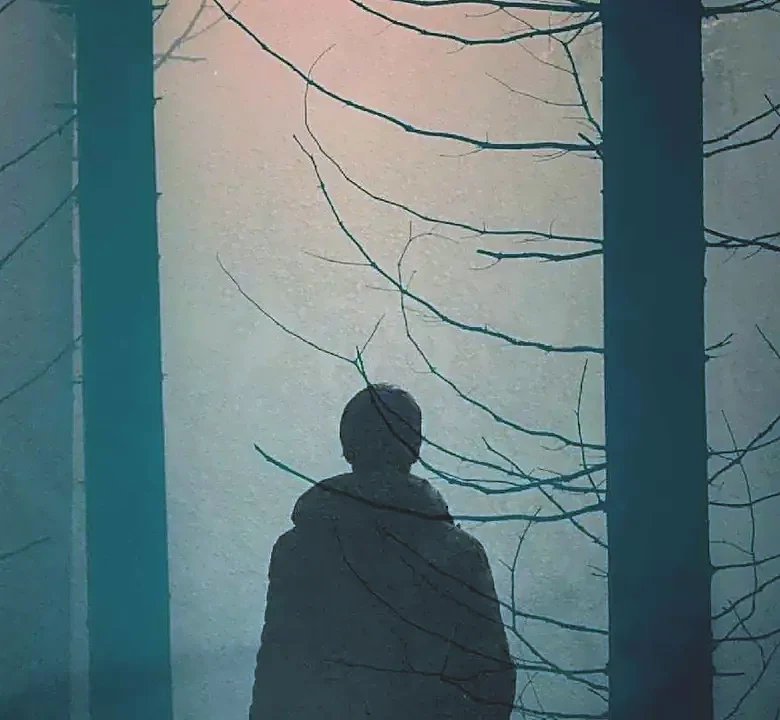
Some horror films turn inward, exploring the terror of a mind fracturing under pressure. In these movies, the threat isn't an external force, but the protagonist's own perception of reality. Films like Black Swan or The Shining masterfully blur the line between what is real and what is a delusion, pulling the audience into the character's psychological breakdown. The horror comes from the loss of control and the terrifying possibility that you can no longer trust your own senses. The suspense builds not from jump scares, but from a creeping, atmospheric dread. Is the hotel actually haunted, or is it cabin fever driving a man to madness? Is a dancer achieving perfection, or is she losing her grip on sanity? The ambiguity is precisely the point, creating a sense of unease that no CGI monster can replicate.
The Horror of Helplessness
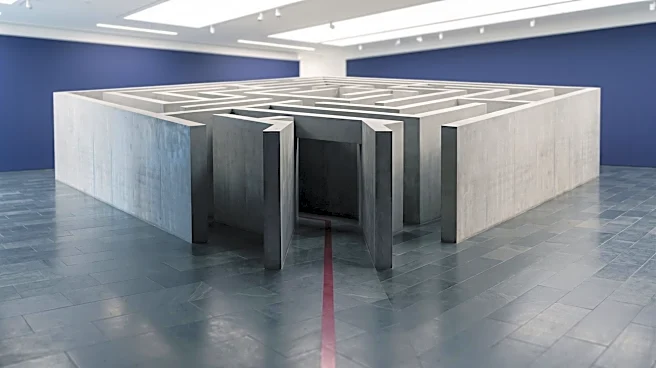
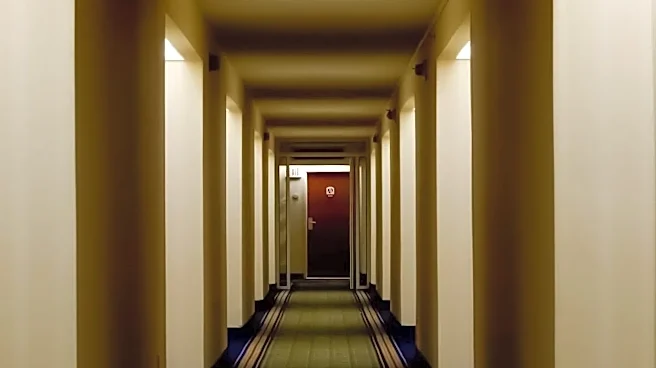
Sometimes, the situation itself is the monster. These films trap their characters—and by extension, the audience—in a seemingly inescapable nightmare. The fear isn't about being hunted by a creature, but about the dawning, crushing realization that there is no way out. The terror is existential. Think of The Blair Witch Project, where the true horror isn't some unseen entity in the woods, but the characters' complete and utter disorientation, their dwindling hope, and the escalating panic of being lost. The same dread fuels films like Funny Games or Don't Breathe, where the antagonists are human, but the horror stems from the victims' powerlessness in a controlled, hostile environment. This subgenre reminds us that some of the worst fears are rooted in a loss of agency and the cold indifference of a universe that doesn't care if you survive.
The Dread of the Unknown
As horror author H.P. Lovecraft famously wrote, the oldest and strongest kind of fear is fear of the unknown. Some of the most effective horror movies weaponize this concept, creating terror not from what they show, but from what they suggest. The monster is scariest when it remains unseen. A film like Event Horizon is a prime example; while it has graphic moments, its core terror comes from the unexplainable void the ship traveled through and the madness it brought back. Similarly, the cosmic horror of a film like Annihilation derives its power from confronting something so alien and incomprehensible that it defies all logic, causing reality itself to break down. This type of fear taps into a deep-seated, primal anxiety about forces beyond our understanding, proving that what we can imagine is often far more frightening than what a filmmaker can put on screen.