


The Old Guard of Festival Fashion
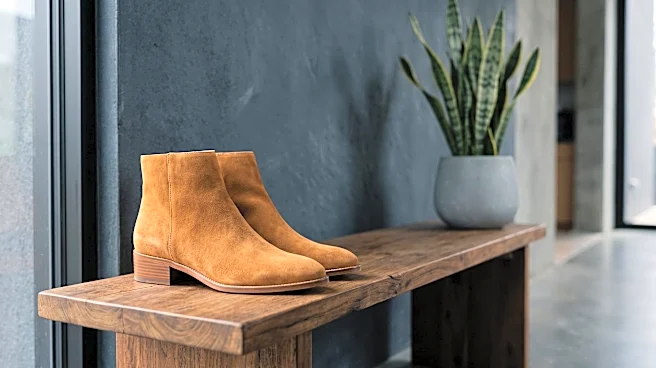
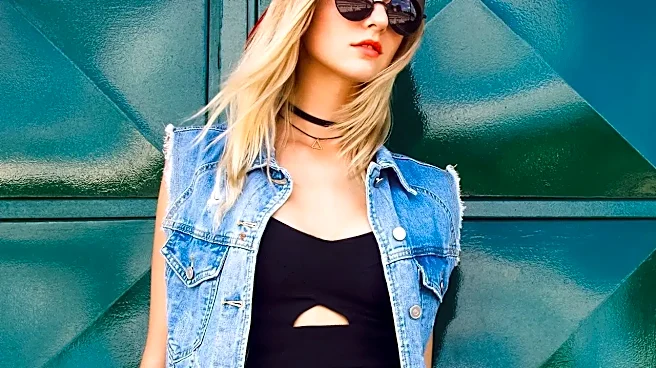
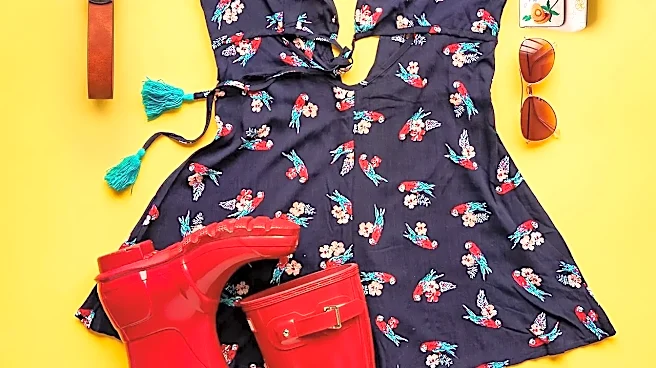
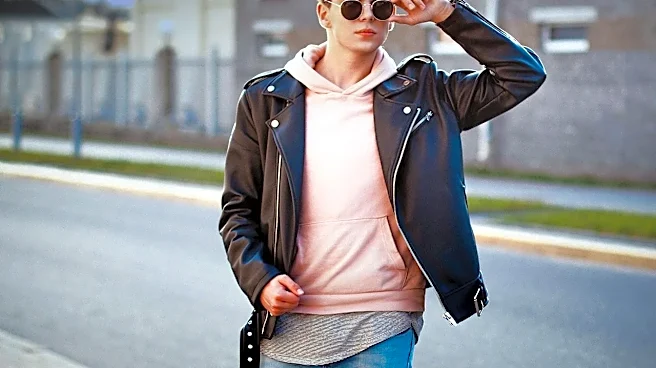
Cast your mind back to the dominant image of festival style from the last decade. It was a look heavily influenced by Coachella and curated for Instagram: intricate floral crowns, acres of fringe, suede vests, and painfully chic (and just painful) heeled
ankle boots. The goal was to create a picture-perfect moment, a carefully constructed image of bohemian freedom. The actual experience of the festival—the walking, the standing, the dancing, the dust—was often a secondary concern. At ACL, this manifested with a Western-boho twist, where cowboy boots, often brand-new, were paired with sundresses and denim. It was a uniform for the photo op, not for the 10-hour marathon of a festival day.
The Unspoken Reality of Zilker Park
Here’s the thing about ACL that separates the rookies from the veterans: the sheer physicality of it. Zilker Park is massive, spanning hundreds of acres with nine stages. Bouncing between a headliner at the American Express stage and a smaller act on the opposite side of the park can be a 15- to 20-minute walk, and you'll do that multiple times a day. Festival veterans know you can easily rack up five to 10 miles of walking daily, much of it on uneven, dusty ground that turns to mud with the slightest rain. Add in the Texas heat, which can still climb into the 80s or 90s in October, and the hours spent standing in dense crowds, and the impracticality of fashion-first footwear becomes painfully clear. Your feet are the first thing to give out, and once they do, the festival experience is effectively over.
The Rise of the Seasoned Veteran
This is where the new status symbol emerges. In a sea of people trying to look like they belong, the most confident statement is a pair of shoes that says, "I’ve done this before, and I plan to do it all day." Choosing supportive, durable footwear is a quiet flex. It signals that you’re not there just to be seen; you're there for the music. You’re there to close out the final headliner, to survive the dusty walk to the shuttle, and to wake up ready to do it all again on Saturday. A pair of high-performance running sneakers or broken-in walking shoes doesn't scream for attention. Instead, it whispers, “I know what I’m doing.” It’s a badge of honor that prioritizes the experience itself over the documentation of it.
What 'Comfortable' Looks Like Now
This isn't an elegy for style; it's an evolution. The comfortable shoe trend has its own aesthetic codes. Chunky, cushioned walking sneakers from brands like Hoka or Brooks, once reserved for marathon runners, are now a common sight, often in clean white or black colorways that pair surprisingly well with a flowy dress or vintage band tee. Sturdy boots like Doc Martens or Blundstones offer a stylish edge while protecting your feet from dust and stomping crowds. Even supportive sandals like Birkenstocks or Tevas have found their place, though seasoned attendees know the risk of exposed toes in a massive crowd. The key is that these choices are intentional. They blend function with a modern, relaxed festival look that feels more authentic to the Austin vibe than a costume ever could. It's no longer a trade-off between style and comfort; the comfort itself has become the style.
More Than Just Feet
The comfortable shoe is the anchor of a broader shift in festival culture. After years of social media driving a performative and often homogenous aesthetic, there's a growing appreciation for authenticity and presence. It’s a mindset that includes carrying a hydration pack, wearing a bandana for the dust, and packing a light layer for the evening temperature drop. It’s about being prepared to fully immerse yourself in the live music experience for three straight days. In a world saturated with curated online personas, proving you can hack it in the real, physical world of a massive festival is the ultimate form of credibility. Your feet are just the foundation of that statement.