




The Physics-Defying Save
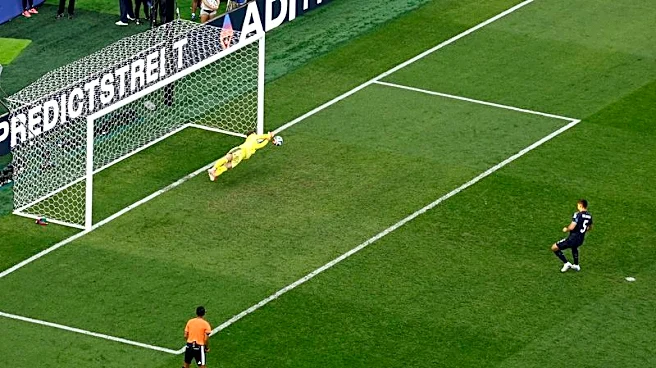
Every legendary keeper has one—a save so iconic it transcends the box score and becomes a permanent highlight. It’s not just about stopping the ball; it’s about the sheer impossibility of the moment. Think of Gordon Banks against Pelé in 1970, a save so perfect
it’s still considered the benchmark. For a keeper in their farewell tournament, one such moment can define their entire legacy. It’s the split-second of acrobatic brilliance that halts a surefire goal, leaving strikers in disbelief and stadiums roaring. This single act of defiance, of rewriting the script, becomes the defining image of their exit—a final, breathtaking display of their unique genius.
Mastering the Penalty Shootout
There is no stage more isolating, no pressure more intense, than a penalty shootout. For a departing goalkeeper, it is the ultimate crucible. Here, the game transforms from a team sport into a primal duel of wits and reflexes. A keeper who triumphs isn't just lucky; they are a master of psychological warfare. Remember the mind games of Argentina's Emiliano Martínez or the tactical substitution of Tim Krul for the Netherlands in 2014, brought on specifically for the shootout. By making one or two crucial saves, a goalkeeper doesn't just win a match; they become a national hero, their name forever synonymous with grace under pressure. It's the most dramatic way to own the narrative and turn a farewell into folklore.
Commanding the Entire Field
The greatest goalkeepers don’t just command their six-yard box; they command the entire field of play. A farewell performance is often a masterclass in leadership. It's in the constant communication, the relentless organization of the defensive line, and the calming presence that settles a nervous team. At 40 years old, Dino Zoff captained Italy to the 1982 World Cup, his leadership an even greater asset than his saves. He was the team's anchor, his experience a tangible force. This kind of presence is built over a career. In their final games, keepers like Oliver Kahn or Gianluigi Buffon became on-field coaches, their authority absolute. This isn't something that shows up in statistics, but it’s how you win knockout games—and how a legend secures their status.
An Unbreakable Stoic Presence
In the chaos of a do-or-die tournament match, the goalkeeper is the team's emotional anchor. While outfield players feed on adrenaline and aggression, the legendary keeper exudes a profound sense of calm. Their expression remains impassive after a missed chance, their body language confident even when under siege. This stoicism is a weapon. It tells the opposition, "You cannot break me," and it tells their own defenders, "I have this under control." It’s the quiet confidence that steadies a team weathering a storm. A keeper who can absorb the immense pressure of a World Cup farewell and radiate composure gives their team an invisible edge, proving that sometimes the greatest strength is absolute stillness.
Grace and Humanity in the Final Moment
Sometimes, the defining moment of a farewell isn't a victory, but the reaction to a heartbreaking loss. When Italy failed to qualify for the 2018 World Cup, the image that endured was a tearful Gianluigi Buffon, apologizing to the nation. But before that, as his home fans booed the Swedish national anthem, Buffon stood alone and applauded—a mark of pure class. In that moment, he transcended the role of player and became a symbol of sportsmanship. His tears weren't just for himself, but for the collective dream that had died. This raw, unfiltered humanity can forge a connection with fans that is stronger than any trophy. It’s a reminder that beneath the jersey is a person, and owning a farewell is sometimes about showing the world the depth of your heart.