


The Quiet Luxury of American Casual
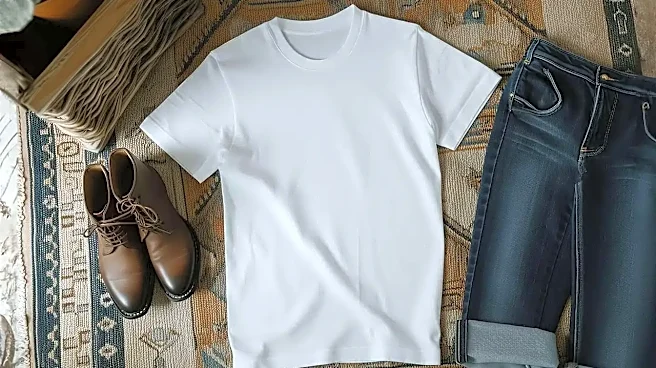
First, let's define the goal. A designer-inspired American casual wardrobe isn't about flashy brands or fleeting trends. It's about the quiet confidence exuded by elevated basics: the perfect white t-shirt, the flawlessly fitting jeans, the trench coat
that hangs just right. Think of brands that champion minimalist aesthetics; their power lies not in adornment, but in the perfection of simple forms. These looks are built on timeless, versatile pieces that feel both relaxed and intentional. The common thread is an understated elegance, where the quality of the clothes speaks for itself. It feels personal and curated, not like a head-to-toe runway copy.
The Hidden Detail Is Structure
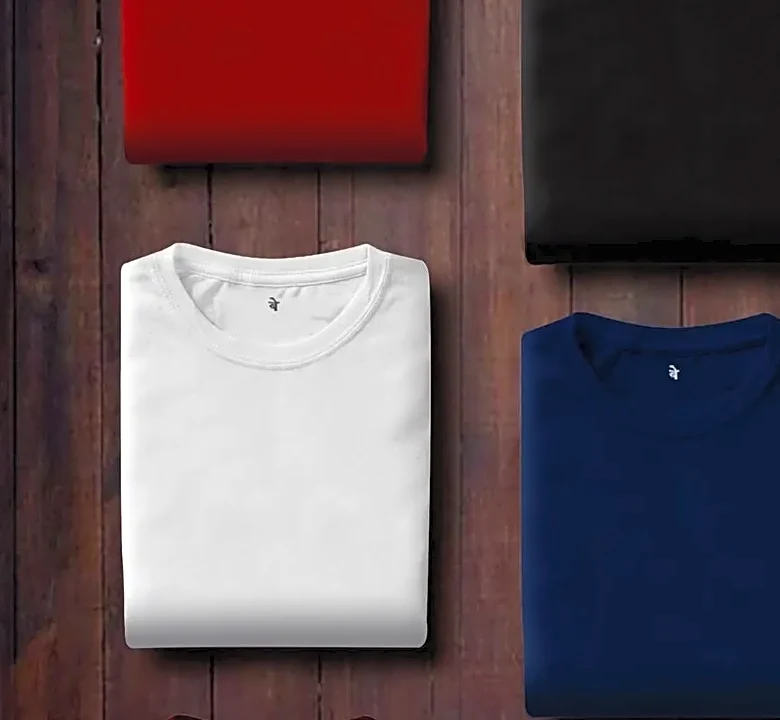
So, what’s the secret? It’s structure. Not just in a single piece, but as a philosophy for your entire wardrobe. Structure is the invisible architecture of a garment—its shape, weight, and construction. It’s the difference between a flimsy, clinging t-shirt and one made of heavy cotton that stands away from the body. It’s what separates a slouchy, formless cardigan from a substantial knit that functions like a jacket. An outfit that looks expensive and put-together is one where each piece has its own integrity and holds its shape. This single focus on structure is what elevates an outfit from basic to brilliant. A well-structured piece looks intentional and polished, even in the most casual context.
Start with the Shoulder
The most powerful place to see structure at work is the shoulder. The shoulder line dictates the silhouette of your entire upper body. A cheap t-shirt often has a wandering, weak shoulder seam that spells sloppiness. In contrast, a well-made tee or jacket will have a defined shoulder, whether it’s a sharp, tailored line on a blazer or a perfectly set-in sleeve on a sweater. This small area of construction makes a piece look sharp and intentional. When a garment hangs correctly from the shoulder, everything else falls into place, creating a more flattering and sophisticated silhouette. It’s a subtle adjustment that makes a world of difference.
Beyond the Shoulder: Fabric and Fit
Structure isn't just about seams and tailoring; it's also deeply tied to fabric choice. The weight, or GSM (grams per square meter), of a fabric determines how it drapes and holds its form. Heavier cottons, dense wools, and substantial linens have inherent structure. They don't collapse or cling; they create a clean outline. When shopping, prioritize fabric quality. Feel the material—does it have heft? Does it spring back when you crush it in your hand? This tactile quality is a direct indicator of its structural integrity. Furthermore, great fit is the partner to great fabric. Even the best material can be undermined by poor fit. A good tailor can be your greatest asset, transforming an off-the-rack piece by refining its structure to fit your body perfectly, enhancing its silhouette and making it look truly custom.
How to Shop for Structure
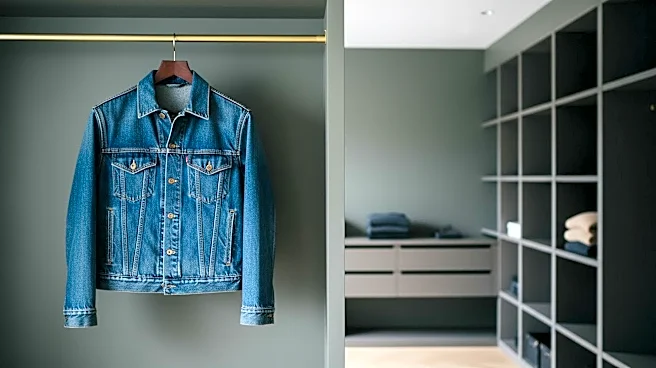
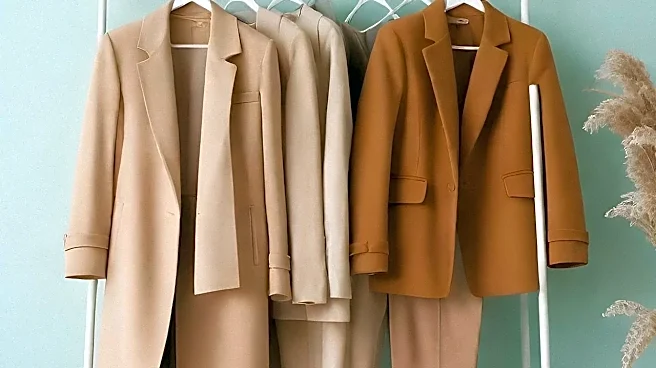
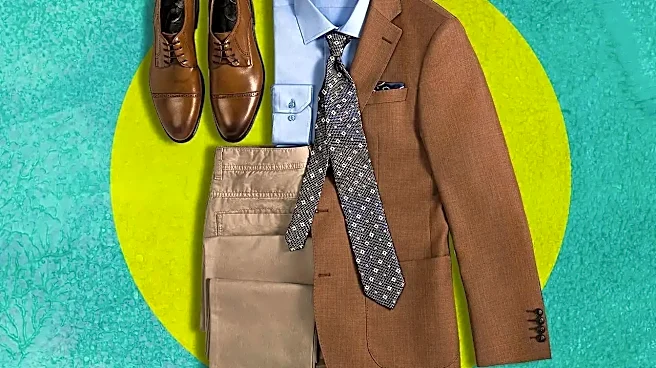
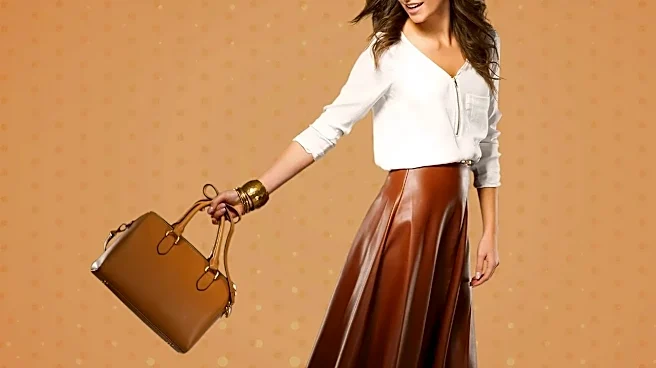
From now on, when you shop, make structure your main filter. Instead of asking if a piece is trendy, ask if it's well-built. Look for tailored pieces like blazers and straight-leg trousers, which are designed with structure in mind. When buying basics, opt for heavier fabrics. Choose denim with minimal stretch to hold its shape. Look for structured bags, which bring a sense of refinement to any outfit. A well-tailored coat can instantly elevate whatever is underneath it. This shift in perspective—from focusing on style to focusing on substance—is what builds a lasting, versatile, and truly chic wardrobe. Don't be fooled into thinking you need designer logos; you just need to appreciate designer-level construction.