






An Era of Artfully Destroyed Denim
Walk down any American street over the past decade, and you’d be surrounded by a sea of distressed denim. From subtle knee rips to dramatically shredded thighs, jeans that looked pre-worn were the height of cool. This trend wasn't just about aesthetics;
it was a multi-step industrial process. Manufacturers used techniques like stone washing, sandblasting, laser engraving, and chemical sprays to artificially age brand-new fabric. This gave jeans a comfortable, broken-in feel straight off the rack, but achieving that perfectly imperfect look came with considerable effort and resources. Yet, like all trends, the pendulum has begun to swing. Fashion insiders and style-conscious consumers are increasingly trading in their heavily distressed pairs for something sharper and more refined.
What Exactly Is Dark-Rinse Denim?
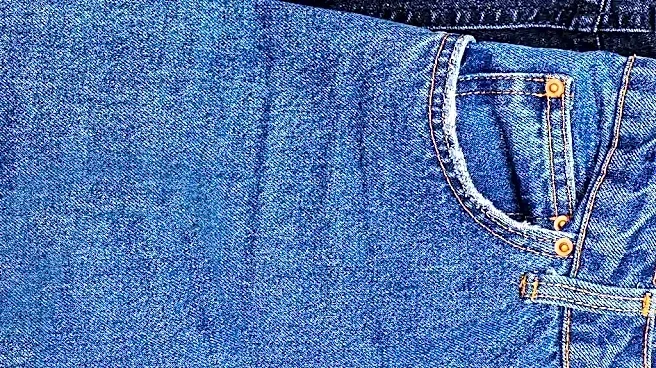
Dark-rinse denim is essentially the opposite of heavily processed jeans. The term 'rinse' refers to a minimal wash cycle that the denim goes through after being dyed. This single wash is just enough to remove excess indigo dye—preventing it from bleeding onto your skin or other clothes—and soften the initially rigid fabric. Unlike its distressed counterparts, a dark-rinse jean skips the intensive fading, bleaching, and tearing processes. The result is a pair of jeans with a deep, uniform indigo or black color, a clean finish, and a crisp structure that feels more intentional and less worn-in. It offers the authentic, saturated look of raw denim but with a more practical, ready-to-wear feel from day one.
A Cleaner Look in More Ways Than One
The headline’s claim of a 'cleaner' alternative has a compelling double meaning. Aesthetically, dark-rinse denim offers a more polished and versatile appearance. The uninterrupted dark color creates a long, lean silhouette that is widely considered flattering. Its visual simplicity makes it incredibly adaptable; it can be dressed down with a t-shirt and sneakers or elevated for a business-casual office with a blazer and loafers. This versatility is a key driver of its resurgence. But the 'cleaner' aspect is also environmental. The processes used to create distressed looks—like stone washing and chemical bleaching—consume significant amounts of water and energy. By skipping these intensive steps, dark-rinse and raw denim production has a much lighter footprint, aligning with a growing consumer desire for more sustainable fashion choices.
Why the Shift Is Happening Now
This move toward cleaner denim isn't happening in a vacuum. It reflects broader cultural shifts in fashion. The rise of the 'quiet luxury' trend, which favors understated, high-quality, logo-free pieces, finds its perfect denim counterpart in the dark wash. A simple, well-fitting pair of indigo jeans aligns perfectly with an aesthetic built on timelessness and subtle sophistication. Furthermore, after years of ultra-casual and work-from-home attire, many are seeking to reintroduce a level of polish into their daily wardrobes. Dark denim bridges the gap, offering the comfort of jeans with an appearance closer to tailored trousers. It’s a choice that feels both modern and enduring—an investment piece rather than a fleeting trend.