



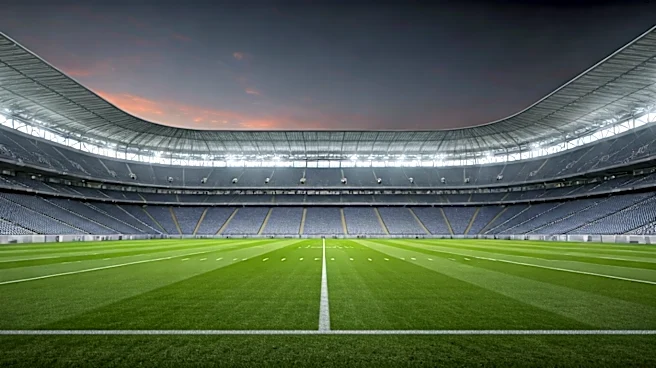


The Climate-Controlled Savior
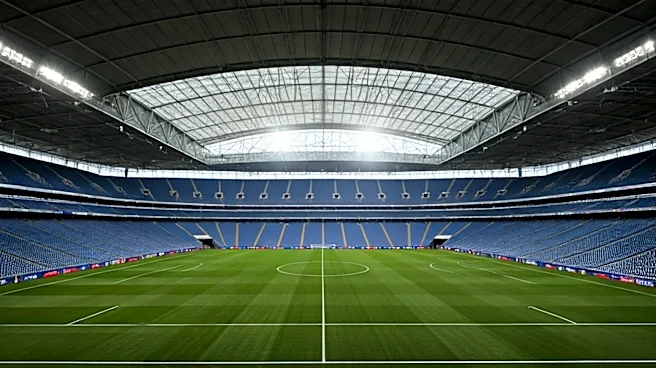
Let's start with the obvious: holding a global tournament in places like Houston and Dallas in June and July is a logistical and physical challenge. The primary argument for the several U.S. host stadiums with retractable roofs—including AT&T Stadium
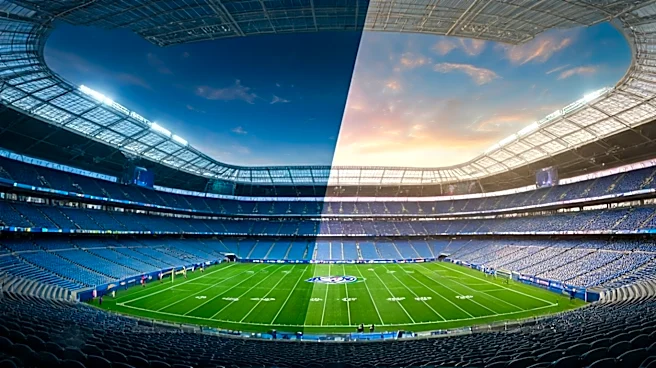
in Arlington and NRG Stadium in Houston—is player and fan safety. Brutal summer heat and humidity aren't just uncomfortable; they can be dangerous and lead to a slower, less dynamic style of play. Retractable roofs offer a powerful solution, allowing organizers to create a climate-controlled environment that guarantees matches can proceed on schedule without weather delays from thunderstorms or extreme heat. FIFA itself acknowledges that such roofs are effective in regions with extreme climates. For a tournament where broadcast schedules are worth billions and fan comfort is paramount, creating a predictable, 75-degree indoor environment is a massive advantage.
The Cathedral or the Warehouse?
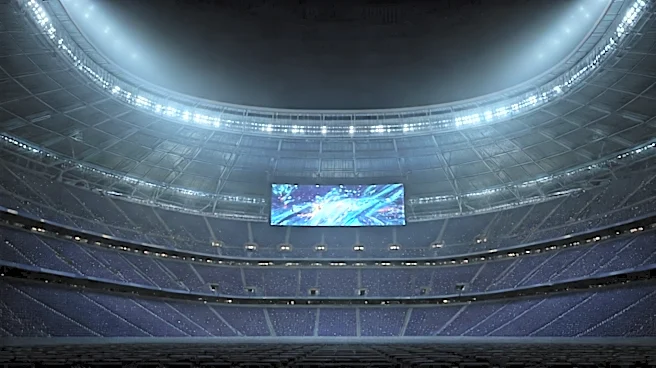
The tradeoff for climate control is the atmosphere. For decades, the soul of a soccer match has been tied to its environment—the sky, the weather, and the way sound travels in an open bowl. Closing the roof fundamentally changes that dynamic. While some materials can help retain sound, others allow it to escape, potentially dulling the roar of the crowd. The enclosed space can amplify noise, turning a stadium into a deafening echo chamber that some players find stressful. There's a cultural disconnect, too. For the thousands of international fans traveling to the U.S., the experience might feel more like an NFL game than a traditional World Cup match. The question many are asking is whether these high-tech venues will feel like cathedrals of the sport, amplifying the passion, or sterile warehouses that prioritize comfort over character.
The All-Important Pitch
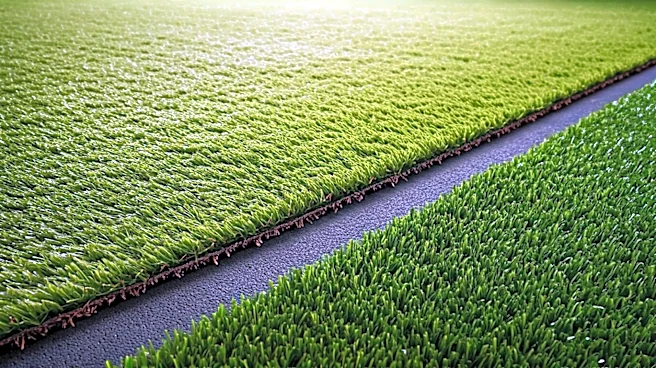
Perhaps the most critical and complex piece of the puzzle is what's under the players' feet. FIFA mandates natural grass for all World Cup matches, a significant challenge for stadiums designed for artificial turf and limited sunlight. Growing and maintaining a perfect grass pitch indoors for over a month of intense competition is a monumental task. Specialists have spent years developing sophisticated systems, often involving hybrid grass with synthetic fibers, specialized sand bases, and powerful artificial grow lights to keep the surfaces in pristine condition. Venues like SoFi Stadium have a translucent roof that limits sunlight, while others are fully enclosed, making the pitch entirely dependent on technology. Any failure in this delicate process—a seam that comes loose, a patch that dies—directly impacts player safety and the quality of the game.
A New Kind of Fan Experience
Ultimately, the presence of these advanced stadiums will shape a World Cup experience that is uniquely American. The controlled environment extends beyond just temperature. It creates a more predictable, arguably more commercialized, version of fandom. While it eliminates the risk of a rain-soaked afternoon, it also removes some of the organic, unpredictable elements that have defined past tournaments. Even FIFA has reportedly stepped in with specific directives, such as requiring the roof at Houston's NRG stadium to remain closed for all matches to ensure consistent conditions. This level of control presents a fundamental trade-off: in exchange for guaranteed comfort and perfect broadcast conditions, the 2026 World Cup may sacrifice some of the raw, elemental passion that makes the event a spectacle unlike any other. It will be a global test of whether soccer's soul can thrive under a roof.