

The Curator as Kingmaker
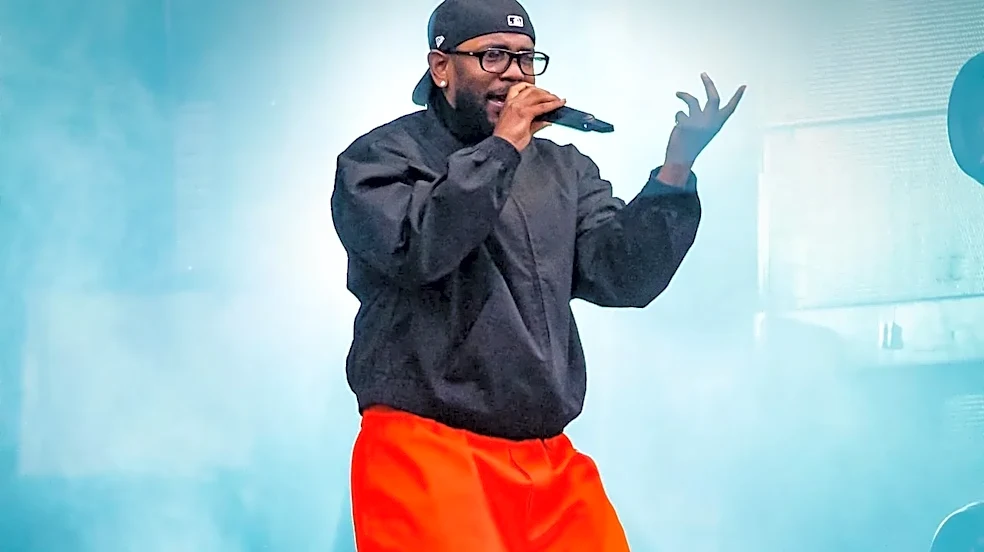
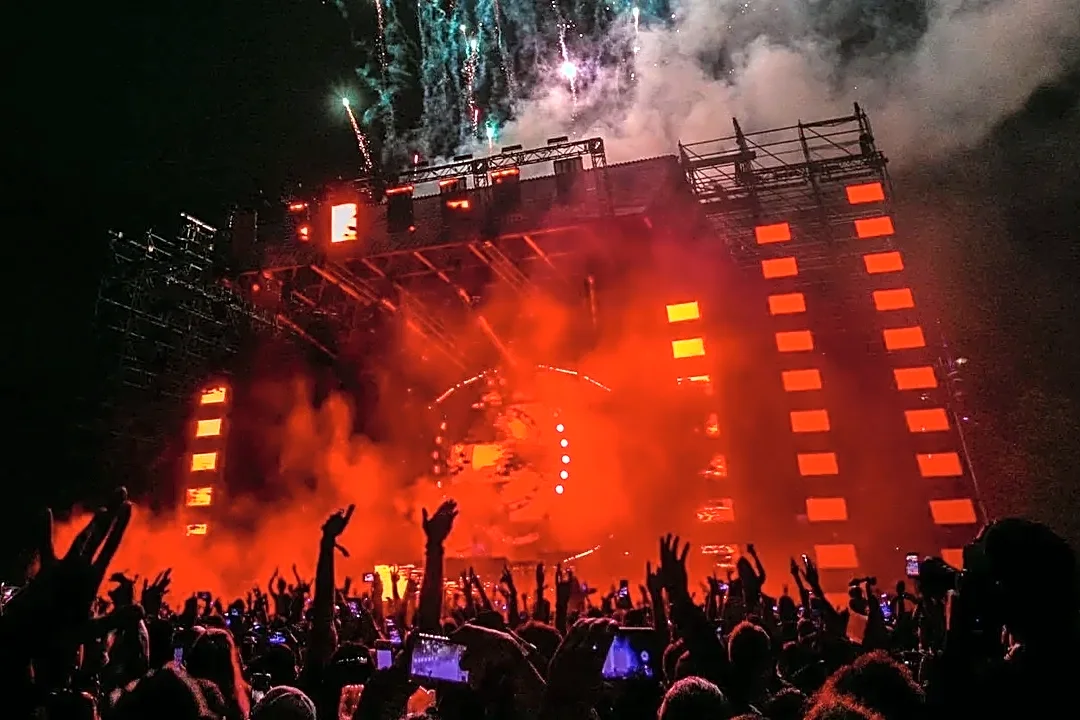
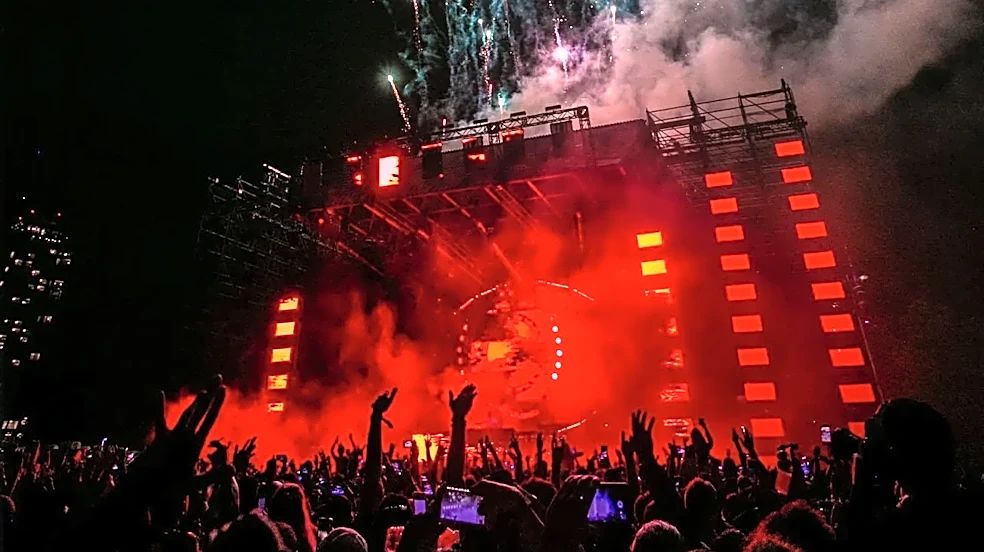
Camp Flog Gnaw isn't just a festival; it's a universe curated by its founder, Tyler, the Creator. Unlike corporate-booked events driven by streaming numbers, Flog Gnaw's lineup feels hand-picked, reflecting one artist's evolving taste. The collaborations
and surprise appearances function as a powerful co-sign. When Tyler brings out an artist, he's not just filling a slot; he's anointing them as a vital part of his creative world. This curatorial power has a tangible impact, shaping what a generation of listeners perceive as cool. Early festivals featured Odd Future members, but as Tyler’s own musical palette expanded from abrasive horrorcore to lush neo-soul and jazz-rap, so did his network. The stage became a platform for artists who fit into this new, more melodic and introspective vision, effectively making the festival a live-action discovery engine.
An 'IRL' Recommendation Engine
Think of Spotify's algorithm suggesting what to listen to next. Now, imagine that playing out on a massive stage in Los Angeles. That's the function of a Flog Gnaw surprise. When A$AP Rocky brought out A$AP Ferg, or when Lil Wayne made an appearance, it solidified the bonds within established crews. But the more revealing moments are the cross-genre surprises, like indie rocker Mac DeMarco appearing as a special guest, or Thundercat bringing out soft-rock legend Michael McDonald. These aren't just random pairings. They are physical manifestations of a creative network that exists beyond genre lines. Tyler and his collaborators are showing you the threads that connect their influences in real time. Seeing SZA on the same bill as Mac Miller, or Earl Sweatshirt sharing a stage with The Alchemist, does more than provide a weekend of entertainment; it draws a map of a specific, influential corner of the music industry.
When the Network Rejects a Node
The most infamous collaboration story from Flog Gnaw is the one that backfired. In 2019, fans were whipped into a frenzy by rumors that the reclusive Frank Ocean would be the surprise headliner. When Drake, arguably the biggest pop star on the planet, walked out instead, the reaction was confusion followed by booing. The incident was widely reported as entitled fans being ungrateful. But in the context of network theory, it reveals something deeper. The Flog Gnaw audience doesn't just want a famous person; they want someone who fits the specific cultural network they've bought into. Drake, with his mainstream dominance, felt like an outsider to the carefully cultivated, slightly left-of-center universe Tyler had built. The rejection wasn't about Drake's quality, but his perceived lack of authenticity within that specific network. It proved the festival's identity was so strong that it could even repel a superstar who didn't fit.
A Different Kind of Power Structure
The Flog Gnaw network stands in contrast to other power structures in hip-hop. It's not the purely commercial, hit-making machine of a DJ Khaled album, where features are transactional. It's also not strictly defined by a regional sound, like the Atlanta trap scene. Instead, it’s a network built on personal taste, mutual respect, and a shared artistic sensibility that blends hip-hop, R&B, jazz, and indie rock. It's a world where Odd Future alumni can share a bill with Childish Gambino and Clipse, creating a space where different eras and sub-genres of alternative hip-hop feel part of the same family. This model, built around a single artist's expansive creative vision, represents a powerful alternative to traditional industry pathways, proving that influence can be cultivated as much through community and curation as through chart performance.