
The Instant Reaction Machine
Gone are the days when a controversial play or a moment of brilliance was confined to post-game analysis. Social media platforms have transformed every fan with a smartphone into a real-time commentator. A player's exaggerated reaction, a manager's sideline
antics, or a jaw-dropping goal can be clipped, captioned, and turned into a meme within minutes of it happening. This speed is crucial. Memes capture the raw, immediate emotion of a moment—the shock, the joy, the absurdity—and broadcast it globally. They function as a form of instant sports commentary, allowing fans to participate in the narrative of the game as it unfolds, rather than just passively consuming it.
A Shared Language for a Global Community
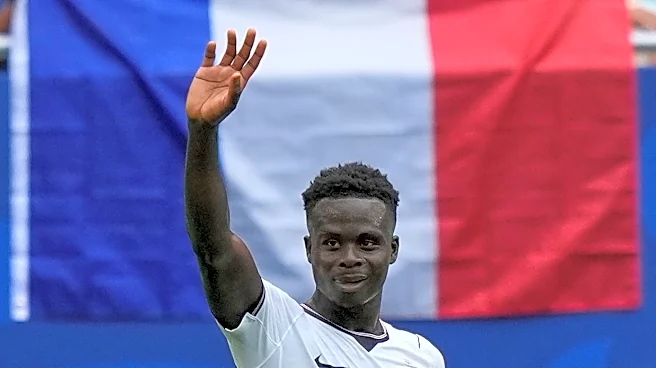
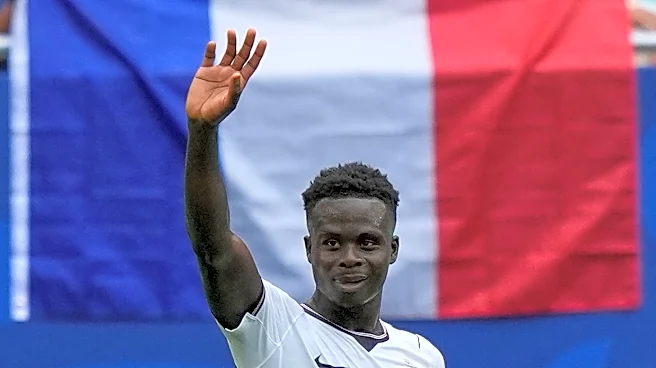
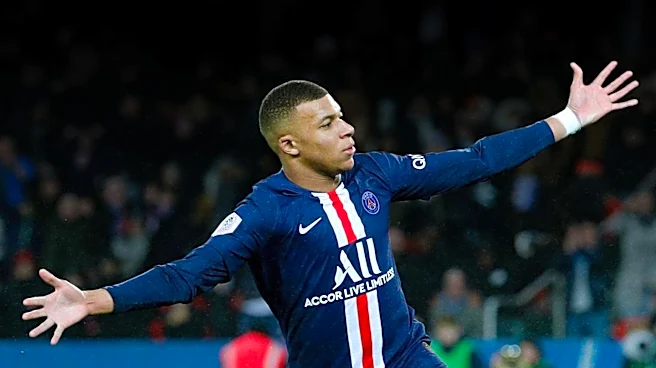
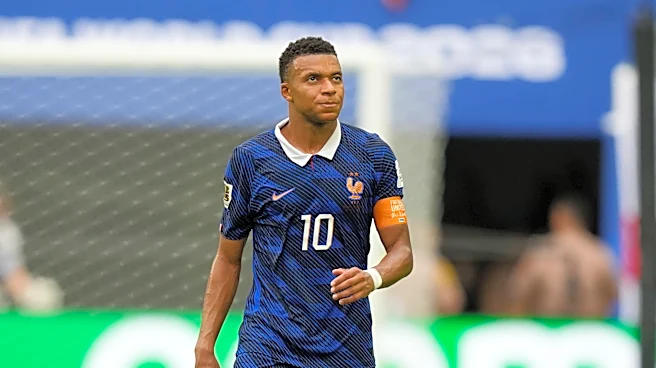
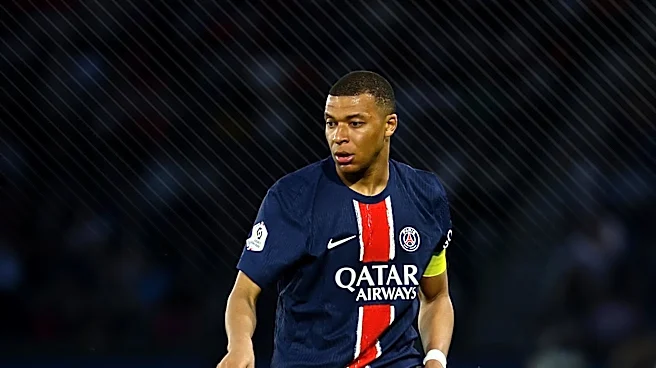
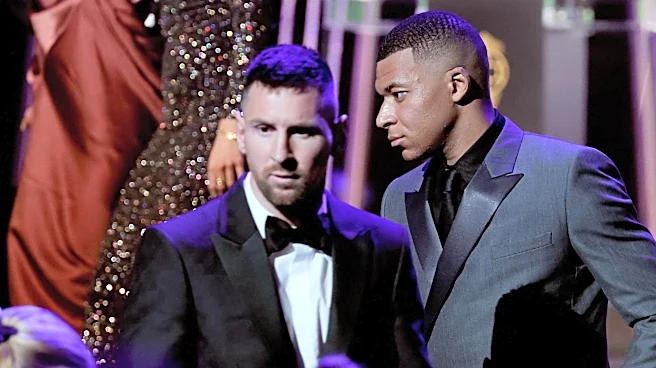
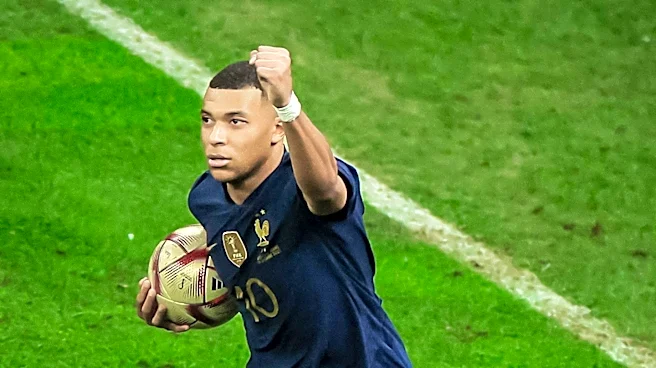
A major soccer tournament is a global event, but fans are often separated by language and time zones. Memes bridge that gap, creating a universal, visual language. An image of a player shrugging after a missed chance or the recent viral trend of depicting French star Kylian Mbappé as a “dictator” become shared reference points that transcend linguistic barriers. Using these memes is a way of signaling you're part of the in-group; you understand the context, you're following the tournament closely, and you share the collective emotional experience. This deepens the sense of community, turning millions of individual viewers into a connected, digital tribe all laughing at the same joke.
Humor as a Coping Mechanism
For every moment of euphoric victory in a soccer tournament, there are dozens of heartbreaks. Supporting a team is an emotional investment, and a devastating loss can feel genuinely painful. Memes have become a powerful coping mechanism for fans to process that disappointment. When your team gets knocked out on penalties, creating or sharing a meme about the loss is a way to find humor in the shared misery. It transforms a personal feeling of disappointment into a communal experience, softening the blow. Instead of stewing in frustration, fans can laugh together at a Crying Jordan edit or a self-deprecating image about their team's performance, making the loss easier to bear.
From Niche Jokes to Mainstream Narrative
What starts on a niche forum or a fan's social media feed doesn't stay there for long. The most successful memes quickly get amplified by larger accounts, sports media outlets, and sometimes even the players and clubs themselves. A viral moment can define the narrative around a player or team for an entire tournament. Think of Luis Suárez, whose infamous bite in the 2014 World Cup became an inescapable meme that has followed him for years. More recently, a tense on-field exchange between Lionel Messi and an opponent during the 2026 World Cup semifinals quickly became the defining meme of Argentina's run to the final, encapsulating his competitive fire. Brands have also taken notice, recognizing that getting their product associated with a viral meme can be more valuable than a traditional ad campaign.
The New Litmus Test for Fandom
In the past, hardcore fandom was measured by season tickets or an encyclopedic knowledge of club history. Today, fluency in meme culture is a new form of currency. Creating a clever meme or understanding a deep-cut reference proves a fan's dedication and knowledge in a very public way. It requires not just watching the match, but understanding the players' personalities, the team's history, and the ongoing online conversations. Knowing about a backup player's funny habit is valued as much as knowing the team's top scorer. This has turned fandom into an even more active, creative pursuit where contributing to the culture is as important as consuming it.