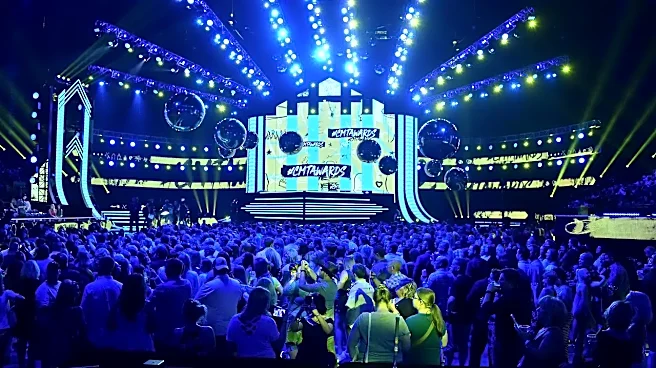



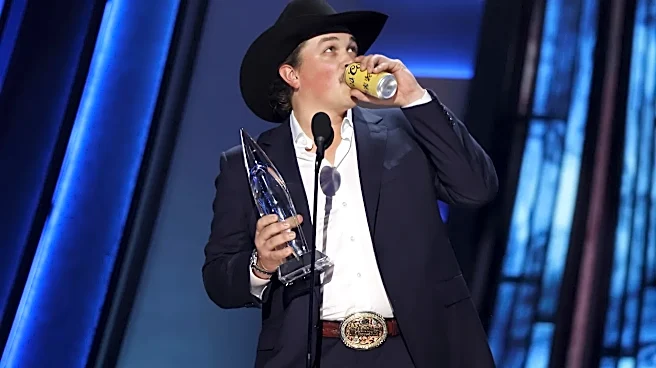
Every year at the CMA Awards, artists get about three minutes to prove why they belong on country music's biggest stage. Most are fine. Some are forgettable. But a select few become iconic. So what separates a good performance from a legendary one?
1. The Unexpected Acoustic Moment
In
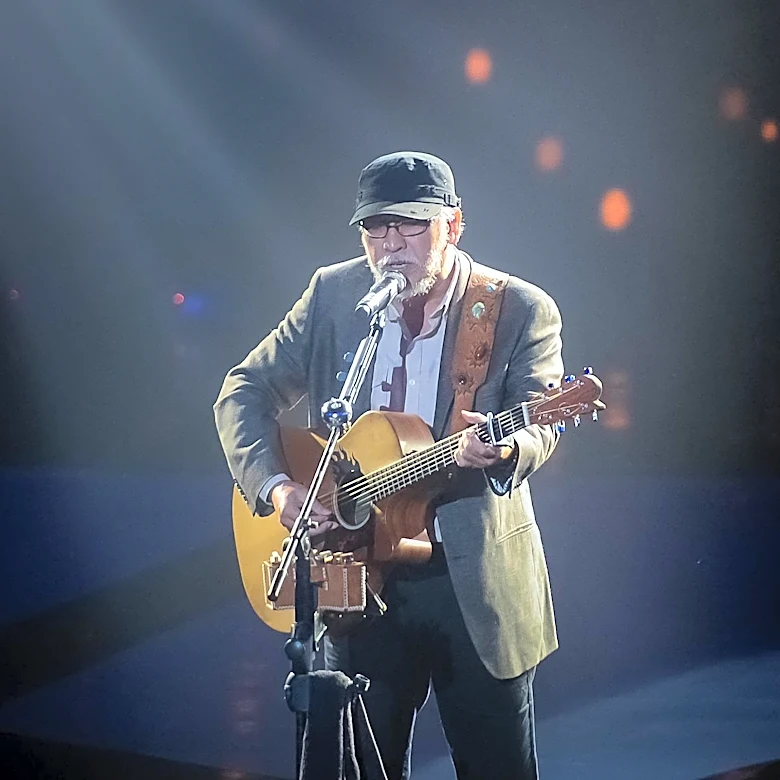
an era of high-production stadium tours, one of the most powerful things an artist can do is strip it all away. Imagine a main-stage performer, known for explosive arena shows, walking out with just a guitar. We've seen glimmers of this work wonders. When Stephen Wilson Jr. performed 'Stand By Me' with just his guitar at a previous awards show, the intimacy was mesmerizing. For a nominee in 2026, ditching the massive band and laser light show for a raw, vulnerable, and completely acoustic rendition of a hit song would cut through the noise. It’s a move that telegraphs pure confidence in the song and the vocal, creating a moment of quiet intensity that would have everyone in the arena—and at home—leaning in. It's not about being louder; it's about being more resonant.
2. A Genuinely Surprising Collaboration
The cross-genre duet is an awards show staple, but it has to be more than just a marketing gimmick. The gold standard remains Chris Stapleton and Justin Timberlake's 2015 performance of 'Tennessee Whiskey'. It wasn't just a pop star slumming it in Nashville; it was two artists who genuinely respected each other's musicality, creating a fusion that felt authentic and electric. For 2026, the key is a collaboration that no one sees coming but that makes perfect sense once it starts. Forget predictable pairings. Think bigger. What about a current country chart-topper with an R&B icon like Mavis Staples, whose past duet with Stapleton was stunning, or even a rock legend for the Brooks & Dunn tribute? The goal is to create a 'Did you see that?' conversation that lasts for weeks.
3. Tell a Three-Minute Visual Story
A performance isn't just a song; it's a piece of theater. The best artists understand that visuals—lighting, stage design, and camera work—should serve the song's narrative. Dolly Parton is a master of this. Her 1989 performance of 'He's Alive' started intimately before a dramatic reveal of a 100-person choir, creating a powerful emotional build that matched the song's arc. For 2026, an artist could use lighting to shift the mood from lonely to triumphant, or employ a simple but powerful set piece that evolves during the song. This isn't about expensive pyrotechnics; it's about using the stage to build a world. A performance that treats the three minutes like a short film, with a beginning, middle, and end, will always stand out from one that's just a person singing into a microphone.
4. The Radical Reimagining of a Classic
Performing the current single is safe, but it's rarely memorable. A bolder move is to take a universally beloved country classic and give it a completely new identity. Think about Rosé and Bruno Mars delivering a rock-infused version of their pop hit at the Grammys to make it feel fresh. Imagine a current star taking on a George Strait or Alan Jackson standard but reinterpreting it through a modern lens—a different tempo, a unique arrangement, a haunting new harmony. This approach does two things: it honors country music's legacy while also showcasing an artist's creativity and vision. It’s a high-risk, high-reward strategy. If done well, it not only creates a viral moment but also positions the artist as a thoughtful and innovative caretaker of the genre's history.
5. Make a Statement Without Saying a Word
Some of the most powerful moments in CMA history have been political or deeply personal. Reba McEntire’s 1994 performance of 'She Thinks His Name Was John', a song about a woman dying of AIDS, was a theatrical and brave statement. In a similar vein, Kellie Pickler’s tearful 2007 performance of 'I Wonder', about her estranged mother, was unforgettable because of its raw, unfiltered emotion. An artist can use their three minutes to tap into a larger cultural conversation or a deeply personal story. This can be achieved through the song choice itself, a symbolic wardrobe choice, or even a moment of pointed silence. It’s about leveraging the platform to create a performance that has weight and purpose, proving that a three minute song can be about so much more than just music.