
From Punk’s Shadow to Pop’s Spotlight
To understand New Wave, you first have to look at its predecessor: punk. In the late 1970s, punk was a raw, aggressive, and pointedly anti-mainstream rebellion. Its fashion was intentionally unpolished,
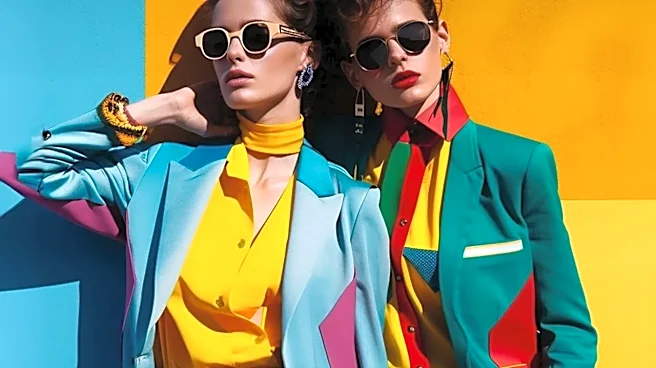
featuring torn clothes, safety pins, and a DIY ethos. New Wave emerged as punk’s more accessible, artistic cousin. It traded some of punk's raw aggression for synthesizers, pop melodies, and a focus on aesthetics and irony. This shift was crucial. New Wave music was catchy and synth-driven, making it more radio-friendly. The fashion followed suit, adopting a 'cleaner' presentation with oversized blazers, pegged trousers, and bold colors instead of punk's darker, more confrontational elements. This created a style that was still rebellious and unique but far less intimidating for the average person to adopt.
The Visual Revolution of MTV
The single most powerful catalyst for New Wave's mainstream explosion was the launch of MTV in 1981. Suddenly, music wasn't just an auditory experience; it was a 24/7 visual showcase beamed directly into millions of American homes. For many teens, especially those outside major cities, MTV was their first exposure to these new styles. Music videos became de facto fashion shows, with bands like Duran Duran, The Human League, and A-Ha serving as style guides. The visual-heavy format meant an artist’s look was almost as important as their sound. Artists like Annie Lennox of Eurythmics, with her androgynous tailored suits and cropped orange hair, and Boy George of Culture Club, with his gender-bending makeup and flamboyant outfits, became icons whose daring looks were copied by legions of fans. MTV democratized fashion, turning subcultural trends into national phenomena overnight.
A Culture of Aspiration and Identity
The early 1980s was also a time of significant social and economic change. After the recession and malaise of the 1970s, a new era of consumerism and aspirational ambition was dawning. The decade became known for "power dressing" and a bolder, more-is-more philosophy. New Wave fashion, with its emphasis on individuality, creativity, and taking up space, fit this new mood perfectly. It was a clear rejection of the earthy, subdued hippie aesthetic of the previous decade. Young people were eager to express their identity through style, and New Wave offered a vibrant, modern vocabulary to do so. The look was futuristic, often androgynous, and highly expressive, allowing people to craft a persona that felt both artistic and confident.
From London Clubs to Main Street USA
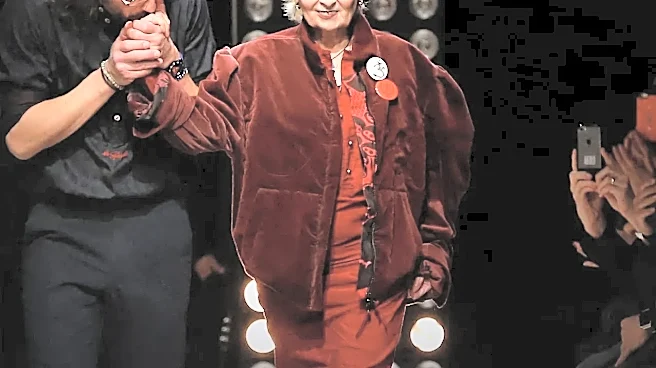
Many of New Wave’s most iconic looks were incubated in the creative hubs of London, particularly in clubs and by designers like Vivienne Westwood. Westwood’s 1981 "Pirate" collection, with its flamboyant, historical-inspired frills and swagger, helped define the New Romantic offshoot of the movement. But for New Wave to become daywear, it had to be translated for mass consumption. The most extreme runway and club looks were toned down. The core elements—sharp tailoring, skinny ties, bold color blocking, and geometric patterns—were integrated into more conventional pieces. Oversized blazers with shoulder pads could be worn to the office, while bright colors and skinny jeans became staples for casual wear. This dilution allowed the essence of New Wave to survive the transition from a niche subculture to a dominant force in everyday 1980s fashion.