


The Goal: It's All About Balance
The most important concept in dressing a frame with broad shoulders—often called an inverted triangle shape—is balance. The goal is not to shrink or conceal your upper body, but to create visual harmony from head to toe. This is typically achieved in two
main ways: softening the shoulder line and adding volume or interest to your lower body. When your hips and legs appear more proportional to your shoulders, the entire silhouette feels balanced. Think of it less as a set of restrictions and more as a way to strategically guide an observer's eye, ensuring your entire frame is appreciated. Many stylists note that a strong shoulder line is a feature of high-fashion models for a reason—it creates a powerful, architectural shape. The key is learning how to work with it.
Harnessing the Power of the Neckline
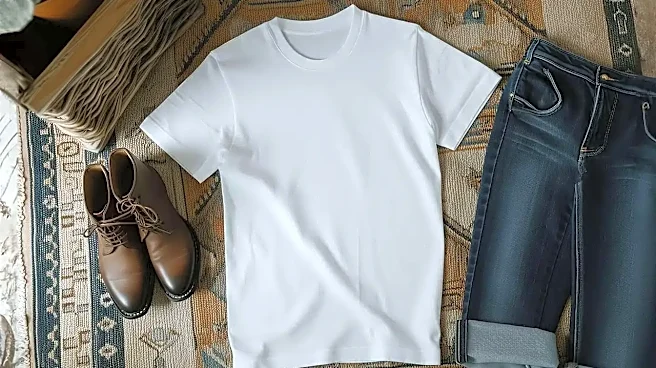
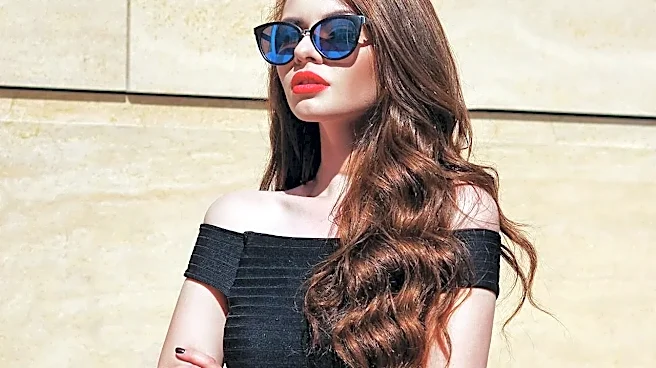
The neckline of a top or dress is one of the most powerful tools for shaping the upper body. Necklines that create vertical or diagonal lines are exceptionally effective at breaking up the horizontal width of the shoulders. V-necks are a classic choice for this reason, as they naturally draw the eye downward and elongate the torso. Scoop necks and deeper U-necks have a similar effect, softening the shoulder line with a gentle curve. Asymmetrical or one-shoulder necklines are another stylish option; they create a strong diagonal line that cuts across the body, drawing attention away from the width of both shoulders. Conversely, necklines that create a strong horizontal line, like boat necks and high crewnecks, can often make shoulders appear wider.
A Smart Approach to Sleeves and Straps
Sleeves and straps can either accentuate or soften the shoulder line. Details like puff sleeves, heavy shoulder pads, or embellishments right at the shoulder's edge will naturally add volume and draw the eye there. For a softening effect, stylists often recommend simpler sleeve styles. Raglan sleeves, which have a diagonal seam from the underarm to the collar, are a great choice because they break up the shoulder line. Similarly, dolman or batwing sleeves can create a more relaxed, draped look that doesn't pull tightly across the shoulders. When it comes to sleeveless tops or dresses, wider straps are generally more balancing than thin spaghetti straps. The wider fabric helps to break up the expanse of the shoulder, creating a more proportional look.
Building Volume on Your Lower Half
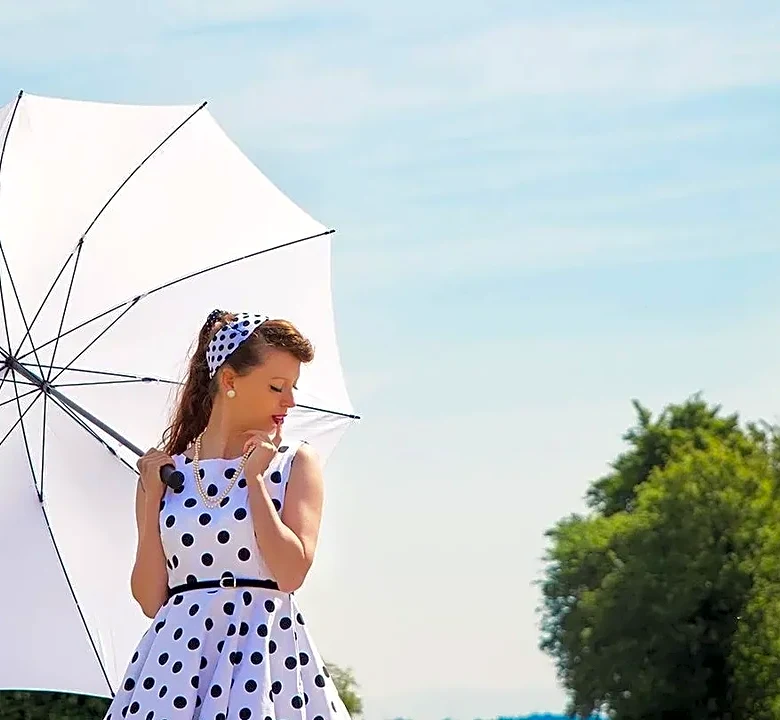
To create that coveted visual balance, what happens on your lower body is just as important as your top. By choosing skirts, pants, and dresses that add volume to the hips and legs, you create a counterbalance to your shoulders. A-line skirts and dresses are a go-to for this reason; they are fitted at the waist and then flare out, creating an hourglass illusion. Wide-leg trousers, palazzo pants, and flared jeans also work beautifully to add weight and movement to your lower half. You can also use color and pattern strategically. Wearing darker, solid colors on top and lighter, brighter colors or bold prints on the bottom will naturally draw the eye downward, balancing your proportions.
The Final Touch: Fabric and Fit
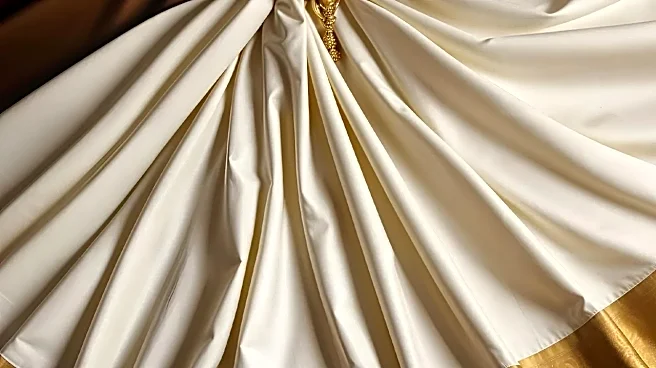
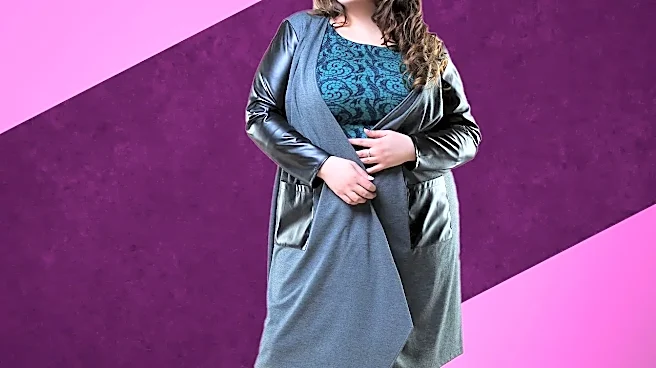
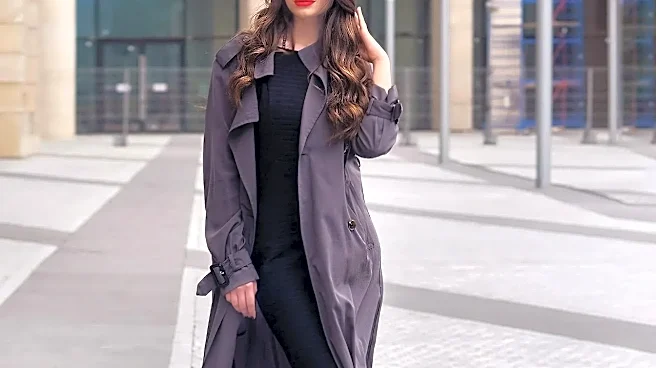
The material of your clothing plays a significant role in how it drapes on your frame. Stiff, structured fabrics can sometimes add unwanted bulk to the upper body, whereas soft, flowing fabrics like silk, rayon, and lightweight knits tend to drape and soften the shoulder line. A well-fitting garment is also crucial. A tailored jacket with a nipped-in waist can define your midsection and create a beautiful shape, while boxy or oversized cuts can sometimes hide your figure and make you appear wider overall. The goal is to find pieces that follow your body's lines without constricting them, allowing your strong shoulders to become a celebrated part of a balanced and confident look.