




Myth: You Need an Aggressive Routine to Fix Your Skin
After welcoming a new baby, seeing unfamiliar skin issues like acne or dark patches can trigger an instinct to attack them with a complex, multi-step routine full of harsh actives. The common belief is that more products equal better results. But dermatologists
say the opposite is true for postpartum skin. During this phase, your hormones are fluctuating wildly, your skin barrier is often compromised, and you're likely dealing with stress and sleep deprivation—all of which can make your skin incredibly sensitive. Overloading it with potent ingredients can lead to more irritation, redness, and dryness. Going from zero to a 10-step routine is one of the biggest mistakes new mothers make.
Reality: Simplicity and Gentle Support Are Key
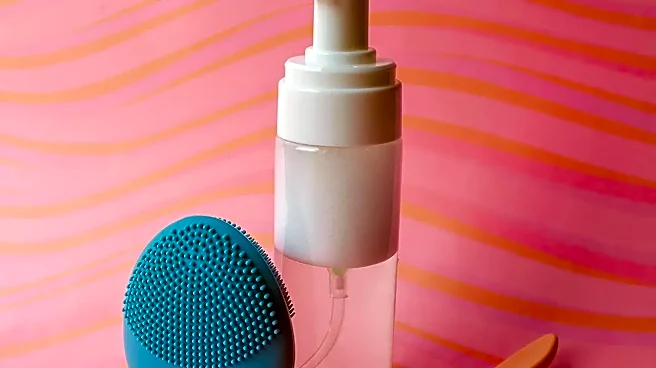
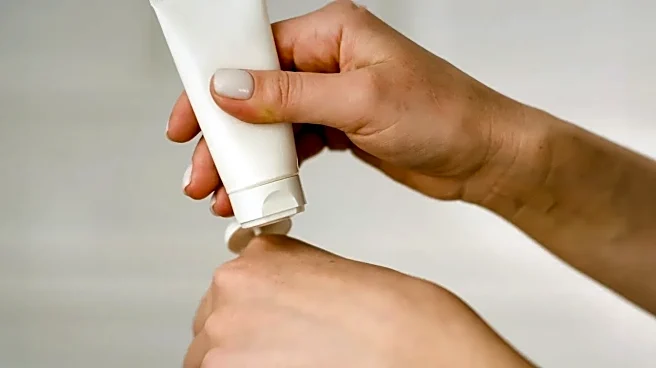
Experts agree that postpartum skincare should be pared back, focusing on three simple cornerstones: a gentle cleanser, a nourishing moisturizer, and a daily broad-spectrum mineral sunscreen. The goal is to support your skin's natural healing process, not to stimulate or strip it. A mild, non-foaming cleanser won't disrupt your skin's delicate moisture barrier. Follow that with a moisturizer rich in barrier-repairing ingredients like ceramides, hyaluronic acid, and glycerin to calm sensitivity and lock in hydration. And because hormonal pigmentation like melasma is triggered by sun exposure, a mineral-based SPF (with zinc oxide or titanium dioxide) is non-negotiable for protection.
Myth: You Must Immediately Treat Every New Blemish and Dark Spot
The appearance of postpartum acne and melasma, sometimes called the "mask of pregnancy," can be alarming. There's a temptation to reach for powerful treatments like retinoids or hydroquinone to make them disappear quickly. However, many of these issues are temporary and directly tied to hormonal shifts that can take months to regulate. Furthermore, many heavy-duty ingredients are not recommended for use while breastfeeding. Attacking temporary hormonal acne with harsh drying agents can often backfire, causing more irritation and inflammation, which can actually worsen breakouts.
Reality: Be Patient and Use Breastfeeding-Safe Ingredients
Patience is a crucial, if difficult, part of postpartum skin recovery. Many issues will resolve on their own as your hormones stabilize. If you do want to address concerns like melasma or acne, it's vital to choose ingredients that are considered safe for breastfeeding mothers. For pigmentation, dermatologists often suggest azelaic acid, vitamin C, and niacinamide. For breakouts, gentle exfoliants like glycolic or lactic acid in low concentrations are generally considered safe, as are some topical options like benzoyl peroxide (used away from the chest area). Always consult a dermatologist to create a routine that is both effective and safe for you and your baby.
Myth: The Goal Is to “Bounce Back” to Your Pre-Baby Skin Instantly
Social media and celebrity culture often create intense pressure for new mothers to "bounce back" to their pre-pregnancy appearance immediately. This expectation extends to skincare, promoting the idea that any lingering effects of pregnancy are a problem to be solved. This mindset can be emotionally damaging during an already vulnerable time. It frames natural, physiological changes as failures, turning a period of healing and adjustment into a race against an unrealistic timeline. Your body has just accomplished something incredible, and the resulting changes are part of that story, not a flaw.
Reality: The Goal Is Healthy, Comfortable Skin for Your New Normal
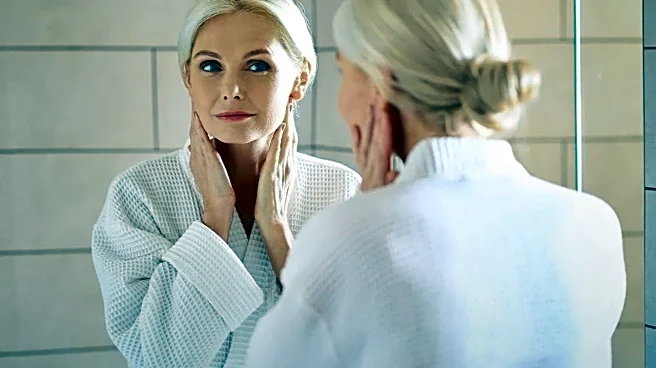
A healthier approach is to focus on nourishment and self-care rather than correction. The objective isn't to erase the evidence of pregnancy but to have skin that feels calm, healthy, and comfortable. Think of your postpartum skincare routine as a small, daily ritual to reconnect with yourself amidst the demands of motherhood. It’s a moment to soothe, hydrate, and protect your skin as it adapts. This shift in perspective—from fixing problems to providing support—can make a significant difference in your well-being. It prioritizes progress over perfection and acknowledges that your body, including your skin, needs time and gentle care to recover.