






The Science of Shared Emotion
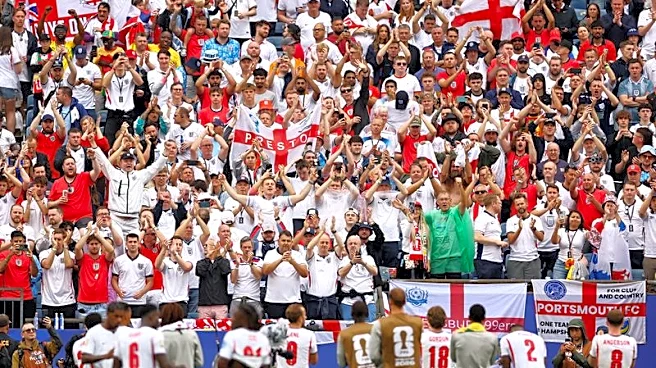
There's a sociological term for the electric feeling that sweeps through a unified crowd: “collective effervescence.” It’s the sensation of being part of something larger than yourself, a shared identity that pulses with the rhythm of a chant or song.
When fans sing their national anthem or a beloved club song in these high-stakes moments, they aren't just making noise; they are performing a ritual. This act synchronizes their emotions and reinforces a sense of solidarity and power. The sound becomes a tangible force, transforming thousands of individuals into a single, intimidating entity with one voice and one purpose: to will their team to victory. For the fans, it’s a moment of profound connection, but for the players on the field, it’s a whole different story.
Pressure on the Penalty Taker
Imagine standing 12 yards from the goal with the weight of a nation on your shoulders. Now, add a deafening, hostile wall of sound. Research shows that negative crowd noise significantly decreases penalty-taking accuracy. This isn't just about distraction. According to Attentional Control Theory, the intense noise and pressure cause a player’s focus to shift involuntarily from the task at hand—scoring the goal—to the external threat of the crowd. This increased anxiety shrinks their attentional control. Some studies have even found that players facing a hostile crowd make more avoidance-based decisions, such as aiming for the bigger, safer part of the goal rather than a more precise, harder-to-save spot. The simple act of singing becomes a psychological weapon that exploits one of the most intense moments of individual pressure in all of sports.
A Mental Battle of Distraction
For the penalty taker, the routine is everything. The placement of the ball, the deep breath, the run-up—it’s a carefully practiced sequence designed to be executed under pressure. Hostile singing is engineered to break that sequence. It’s an auditory assault on a player's concentration, forcing them to expend mental energy on blocking out the noise instead of focusing on their technique. Studies have noted that in the presence of crowd noise, especially negative noise, players not only become less accurate but also slower in their actions, indicating a disruption in their cognitive process. Interestingly, some research suggests that psychological skills like imagery or self-talk are often not enough to moderate the powerful negative effects of overwhelming crowd noise in these moments. The distraction is simply too potent.
The Goalkeeper's Unlikely Ally
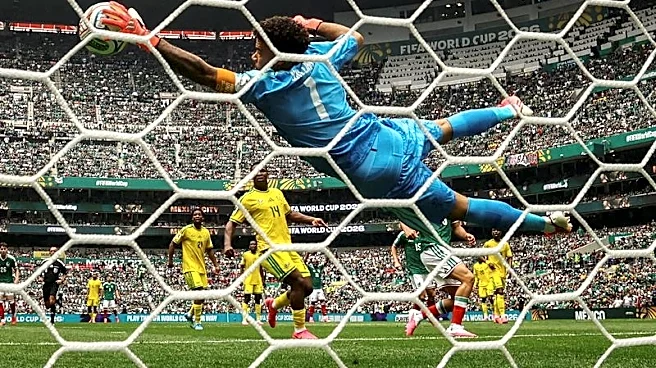
While the singing is aimed at disrupting the opponent, it can have an equally powerful, albeit positive, effect on the goalkeeper. The roar of a supportive home crowd can serve as a massive adrenaline boost, reinforcing their sense of purpose and energizing them. They become the last line of defense for the collective entity in the stands. The noise that serves to intimidate and distract the kicker simultaneously emboldens the keeper, making them feel like they have an entire stadium standing with them in the goal. This dynamic turns the one-on-one duel into a lopsided psychological battle: one player isolated against thousands, and another backed by them. The singing, therefore, doesn't just rattle the stadium; it actively tilts the psychological playing field.