


The Trick Revealed: The Full Tuck
The one move that consistently elevates simple outfits from ordinary to ‘editorial’ is the full, clean tuck. Forget the casual ‘French tuck’ (just the front part in) for a moment. We’re talking about a crisp, 360-degree tuck of your shirt, sweater, or knit
polo into your trousers or jeans. It’s a foundational styling gesture that’s less about looking casual and more about looking intentional. At recent Menswear Weeks, this wasn't a sloppy, half-hearted tuck. It was a conscious decision to create a clean line, often punctuated by a quality belt. It’s the difference between throwing on clothes and putting together an outfit.
Why It Changes Everything
So, why does such a simple action have such a big impact? It all comes down to silhouette and proportion. Tucking in your shirt immediately defines your natural waistline. This simple act breaks your body into two distinct halves—torso and legs—which is a classic principle of good tailoring. By raising the perceived waist, you create the illusion of longer legs, making you appear taller and leaner. An untucked shirt, especially one with a longer hem, can visually shorten your legs and create a blocky, undifferentiated shape. The full tuck, by contrast, introduces structure and polish. It communicates that you’ve considered how the pieces of your outfit relate to one another, which is the very essence of 'style' versus just 'clothing.' It’s a signal of confidence and attention to detail.
How to Do It With Your Basics
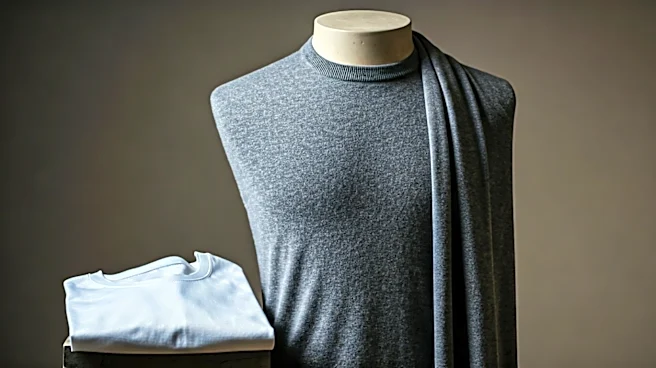
This isn’t complicated, but a little technique goes a long way. The key is to avoid a bulky, muffin-top effect. Start with the right basics: T-shirts, thin-gauge sweaters (like merino or cashmere), and knit polos work best because the fabric isn't too thick. First, put on your trousers but leave them unbuttoned. Tuck your shirt in smoothly all the way around, pulling it down taut. Then, button your trousers up over the shirt. Finally, raise your arms straight above your head. This will pull out the perfect amount of fabric, giving you enough room to move comfortably without creating a billowy, ballooning effect around your waist. The fabric should drape cleanly over your waistband, not bunch up inside it. For a classic white T-shirt and jeans, this move instantly adds a touch of James Dean cool. For a knit polo and chinos, it feels sophisticated and a bit preppy. With a fine-knit sweater and tailored trousers, it’s modern and office-appropriate.
The Essential Partner: A Good Belt
A full tuck without a belt can sometimes look unfinished, like a school uniform. The belt is the punctuation mark on the statement. It draws the eye to the newly defined waistline and completes the look. This doesn't mean you need a flashy, logo-heavy buckle. Often, the most effective choice is a simple, high-quality leather belt in black, brown, or tan. Its job is to cleanly bisect the top and bottom of your outfit. A 1-to-1.5-inch width is versatile enough for everything from denim to dress trousers. The hardware—the buckle—should be understated. A simple silver or brass frame buckle is timeless. The belt isn’t just holding up your pants; it’s framing the entire look and reinforcing the intentionality of the tuck.