


The Battle Against Sound Bleed
Imagine trying to mix a quiet, acoustic ballad while the bass from an EDM DJ a few hundred yards away makes the ground shake. This is the reality of “sound bleed,” the number one enemy of a festival sound engineer. Grant Park is an iconic venue, but it's
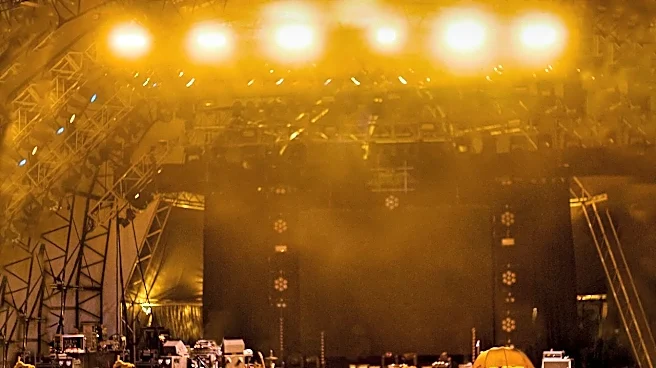
also a finite space, forcing some stages to be closer than engineers would like. The most notorious offender is often Perry's Stage, an EDM powerhouse whose low-end frequencies have a knack for creeping into neighboring sets. During Paul McCartney's 2015 headlining performance, the bleed from a nearby electronic act was so noticeable that McCartney himself joked about the unexpected “collaboration.” While festival schedulers work miracles to avoid genre clashes on adjacent stages—often leaving one stage silent while the other is active—the sheer power of modern sound systems means that during quiet moments of a performance, the thump-thump from another stage can become an unwelcome guest vocalist.
The Lake Michigan Wind Tunnel
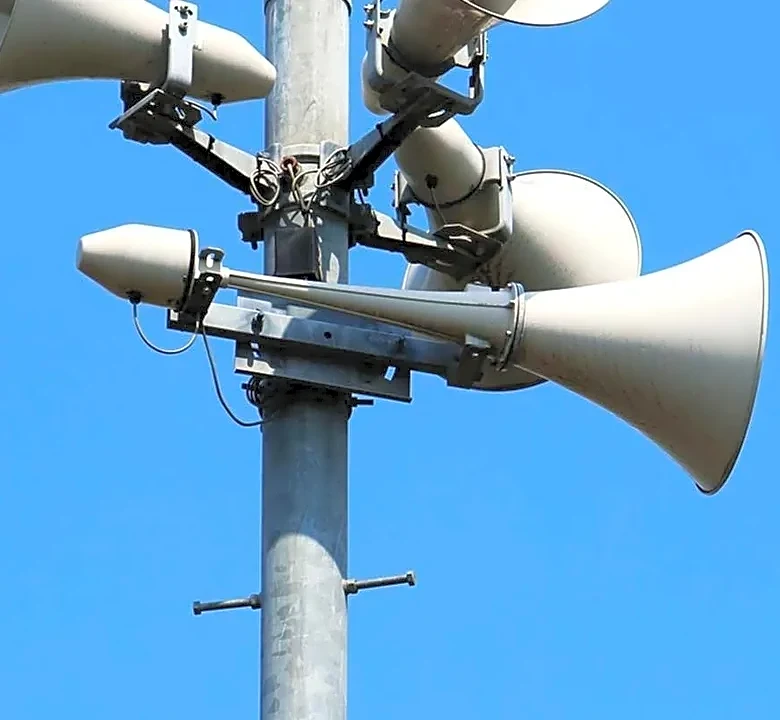
Chicago is called the “Windy City” for a reason, and at Lollapalooza, that’s not just a charming nickname; it’s a major acoustic variable. Wind is a sound engineer’s nightmare because it can literally blow sound waves off course. A steady gust coming off Lake Michigan can act like a giant filter, scattering the high frequencies (cymbals, hi-hats, vocal clarity) and making a mix sound muffled or distant to anyone not standing directly in front of the speakers. Engineers constantly have to adjust for this, but it’s an unpredictable force. A mix that sounds perfect one minute can be swept away the next, leaving crowds in the back wondering where all the treble went. This is why you see massive speaker arrays, or “hangs,” flown high in the air—they are trying to project the sound over the crowd and combat the ever-present wind.
Chicago's Concrete Canyons
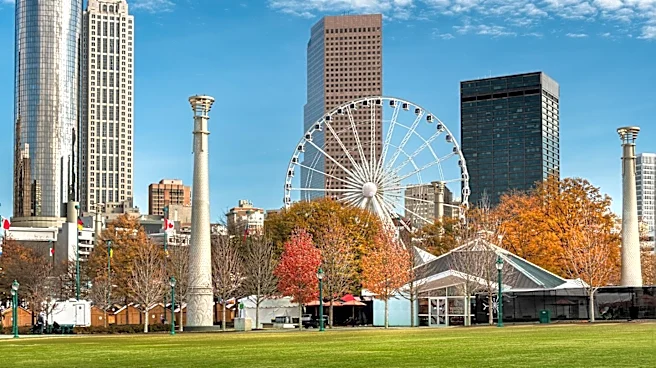
Unlike festivals set in remote, open fields, Lollapalooza happens in the heart of a major metropolis. The south end of Grant Park is famously flanked by the towering skyscrapers of Michigan Avenue. These buildings create an “urban canyon” effect, where sound doesn't just dissipate into the open air but instead bounces off glass and concrete surfaces. This creates unwanted echoes and reflections that can muddy the mix. A sound engineer has to fight the natural acoustics of an indoor venue, but at Lollapalooza, they are fighting the acoustics of an entire city block. Stages like the Petrillo Bandshell, a concrete structure itself, have been historically hit-or-miss for this very reason; the hard surfaces can create a wash of reverb that is difficult to control, making vocals indistinct. Modern sound systems use advanced software to aim the sound precisely at the audience and away from reflective surfaces, but it’s a constant battle against physics.
The Swamp of Low End at Perry's
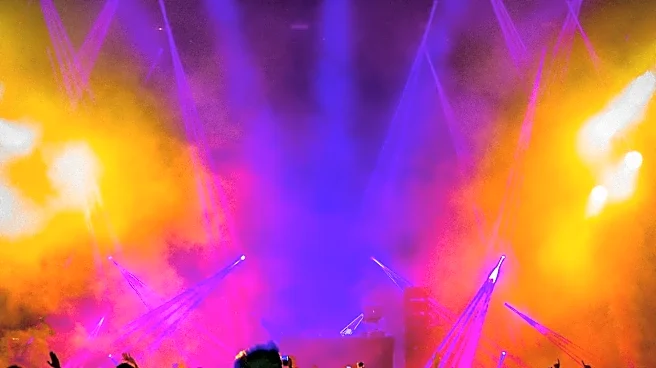
Perry's Stage, Lollapalooza's home for all things electronic, presents a unique and formidable challenge: managing bass. The sheer volume and sub-bass frequencies required for modern EDM and hip-hop are immense. The goal is for the audience to feel the music, but the challenge for engineers is to make that bass powerful and clean, not just a chaotic, muddy rumble. Spreading that low-end energy evenly across a massive, moving crowd in an open field is incredibly difficult. Engineers use complex subwoofer arrays, sometimes in a line across the front of the stage, to control the direction of the bass and cover the vast audience area. Despite their best efforts, the result can still be intense, with many festival-goers noting you can often find Perry’s simply by following the direction of the loudest thumping.