


More Than Just Matching Shirts
At its simplest, costume continuity ensures an actor's outfit remains identical from one shot to the next. But its true function goes far deeper. It's about storytelling. A character’s journey is often told through their clothing. Think of a hero's jacket
getting progressively more tattered through a season of battles, or a professional's crisp suit becoming subtly rumpled as they lose control. This planned degradation is a deliberate character arc told in fabric. The challenge is that television and film are almost never shot in chronological order. A scene from the season finale might be filmed months before a scene from the second episode, making consistency a Herculean task.
The Organized Chaos of a TV Set
The costume department becomes a hub of intense data management. For every single outfit, a team takes meticulous photos—front, back, sides, and close-ups of every accessory and detail. These images go into a massive “continuity bible,” which can be a physical binder or a shared digital folder, serving as the ultimate source of truth. The script supervisor works closely with the costume team, logging every detail in every scene. They must track not just what a character wore, but how they wore it. Was the collar popped? The sleeve rolled up? Was there a fresh coffee stain from an earlier take that needs to be replicated? Every detail matters to preserve the illusion for the audience.
Dozens of Identical Jackets
To manage the demands of storytelling and production, costume departments don't just have one of each key garment; they have multiples. An action hero might have a dozen identical leather jackets, each one in a different state of distress—pristine, slightly worn, ripped, mud-splattered, or blood-stained. When a scene calls for a character to fall in the mud, the team uses a specific version of the costume. For all subsequent scenes that take place chronologically after that moment, they must use an identical muddy costume to maintain continuity, even if those scenes are shot weeks later. This requires incredible budgeting, sourcing, and organization.
An Art That's Best When Invisible
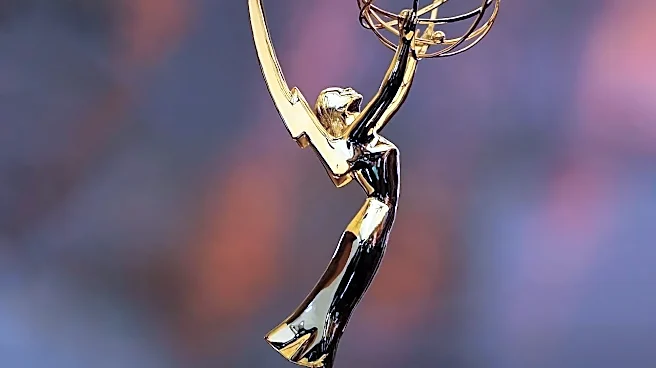
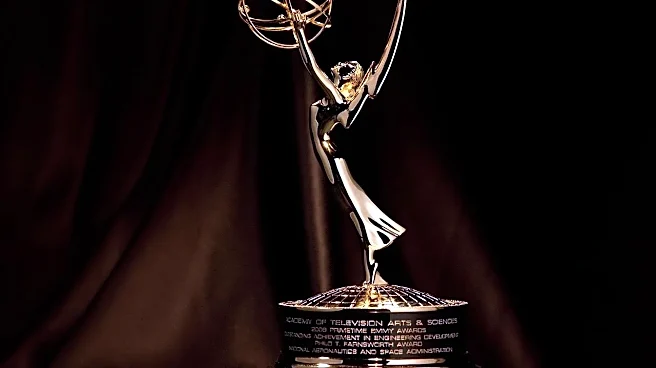
This brings us to the Emmys. The Television Academy separates costume awards into categories like Period, Fantasy/Sci-Fi, and Contemporary. While a breathtaking gown in a show like "The Gilded Age" or an iconic sci-fi suit in "Fallout" might grab headlines, voters are also recognizing the invisible labor. When costume continuity is perfect, the audience doesn't notice it at all. The story just flows. A misplaced accessory or a mysteriously clean shirt can pull a viewer right out of the narrative. Achieving this seamlessness, especially on productions with huge casts, multiple timelines, and non-linear shoots, is a monumental feat of creative and logistical skill. The award isn't just for a pretty dress; it's for the flawless execution of that dress's entire journey.